
5 Airport Scams Exploiting TSA Chaos
Navigating terminals feels overwhelming as passenger volumes hit record highs. Long security lines stretch endlessly. A hidden economy thrives on this exhaustion. Scammers actively exploit weary travelers today.
Rushing from ticket counters to departure gates creates a perfect environment for deception. Criminals prey on distracted minds and the general anxiety of the terminal. Understanding these tactics provides vital protection.
This crucial knowledge transforms anxious passengers into truly confident flyers. Travelers can easily safeguard their personal finances while safely traversing the globe today. Watch out for these specific traps.
Fake PreCheck Enrollment Websites
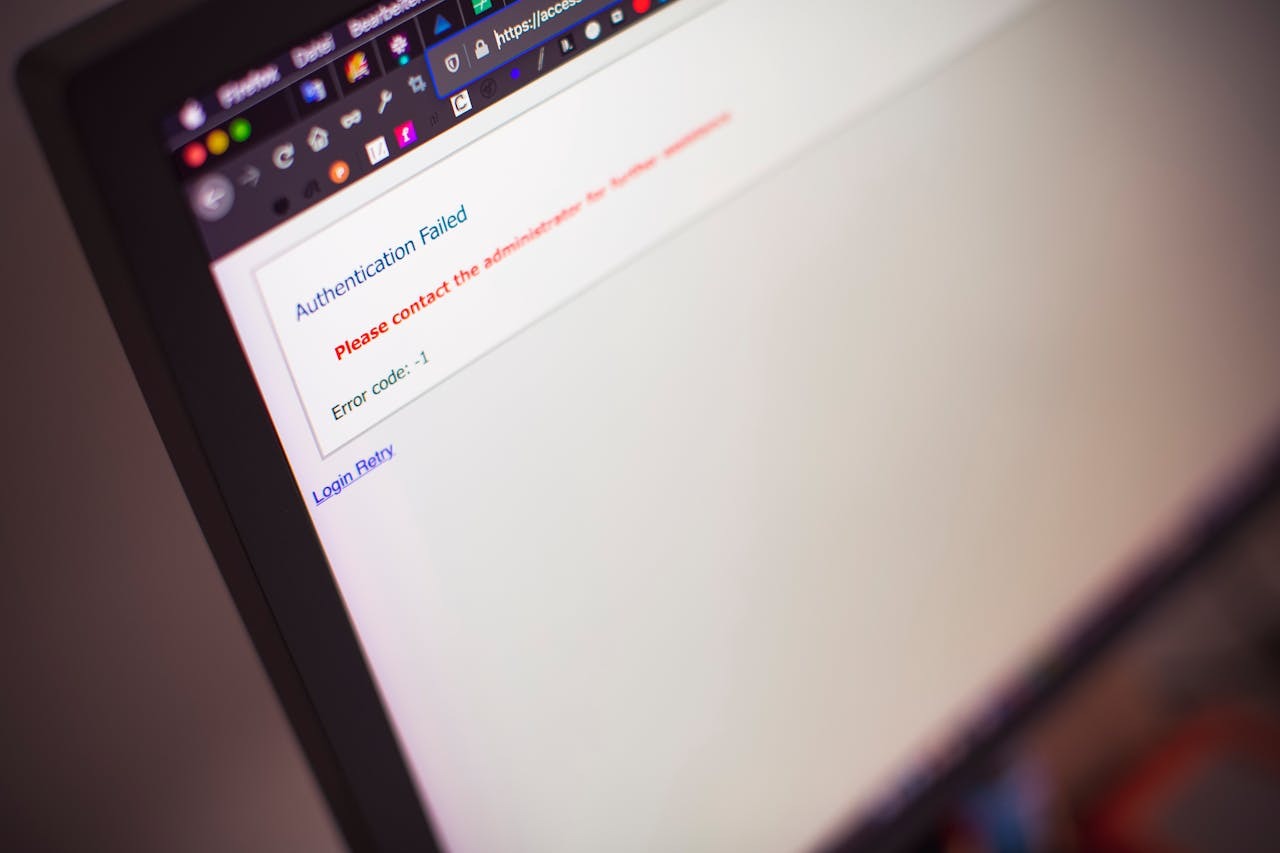
Travelers seeking relief from lines often fall prey to fraudulent websites mimicking official portals. Cybercriminals design these deceptive pages to look authentic. They add stolen logos and prompts to pay fees.
Victims unknowingly surrender private details and credit card numbers. They fully believe they secured expedited passage through checkpoints. These flyers discover the mistake when turned away by agents at the terminal.
Start from the official TSA site or homeland security page and follow links from there instead of searching random pages. Avoid paying through sites that are not clearly linked from those official government portals.
Malicious QR Code Phishing Traps
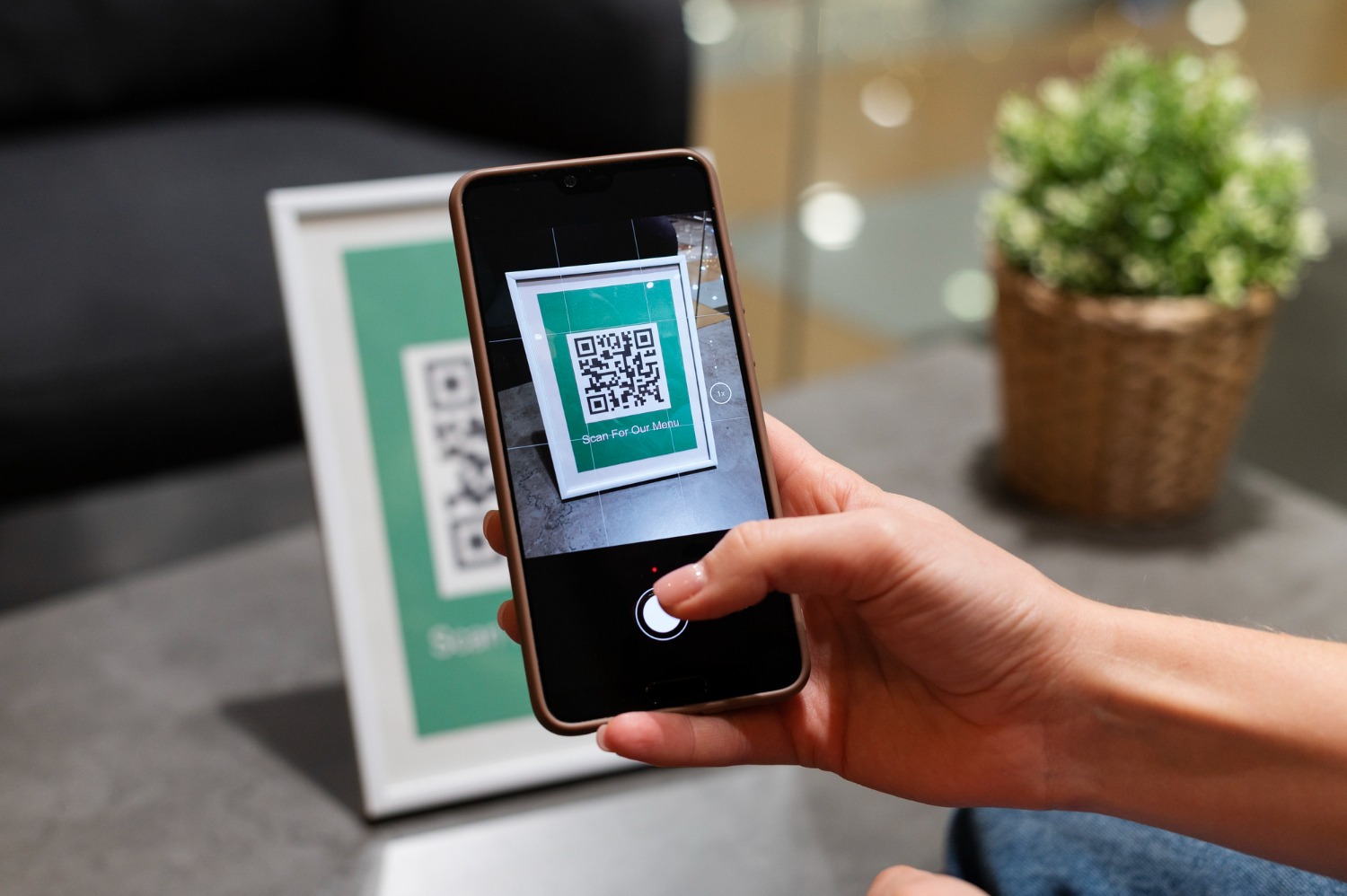
Terminals utilize scannable barcodes for everything from parking payments to digital menus. This creates an ideal environment for deceit. Scammers place malicious stickers over legitimate codes located in dining areas.
When a smartphone captures the compromised pattern, it silently redirects the user to a forged payment screen. This page exists to siphon banking credentials and deploy harmful software onto the device within seconds.
Smart flyers manually type web addresses or utilize official airline applications to process transactions. Verifying a menu with staff members prevents simple daily meals from becoming absolute financial disasters.
Compromised Public Charging Stations
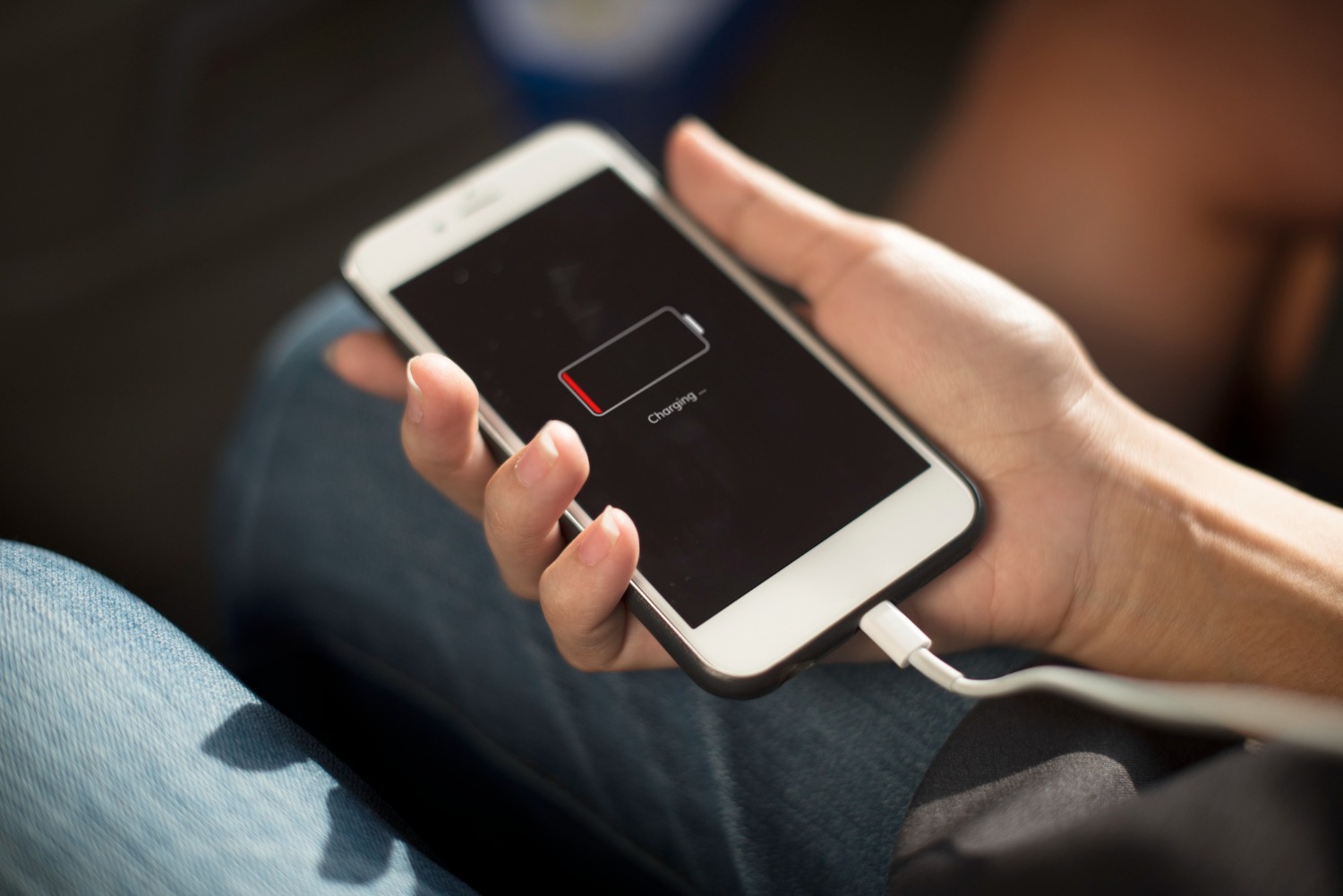
A dying battery creates anxiety during long travel days. This prompts desperate flyers to plug into public charging kiosks. Agencies warn that compromised ports could theoretically be used for malware installation.
This threat is known as juice jacking. Attackers might use the charging cable for data theft. While confirmed cases remain rare, the mere possibility still causes concern for passengers wanting to protect personal data.
To avoid this small risk, experts recommend using a personal power bank or a wall outlet with your own charger instead of public ports. This simple adjustment entirely eliminates the risk of hidden data extraction.
Deceptive Evil Twin Wireless Networks
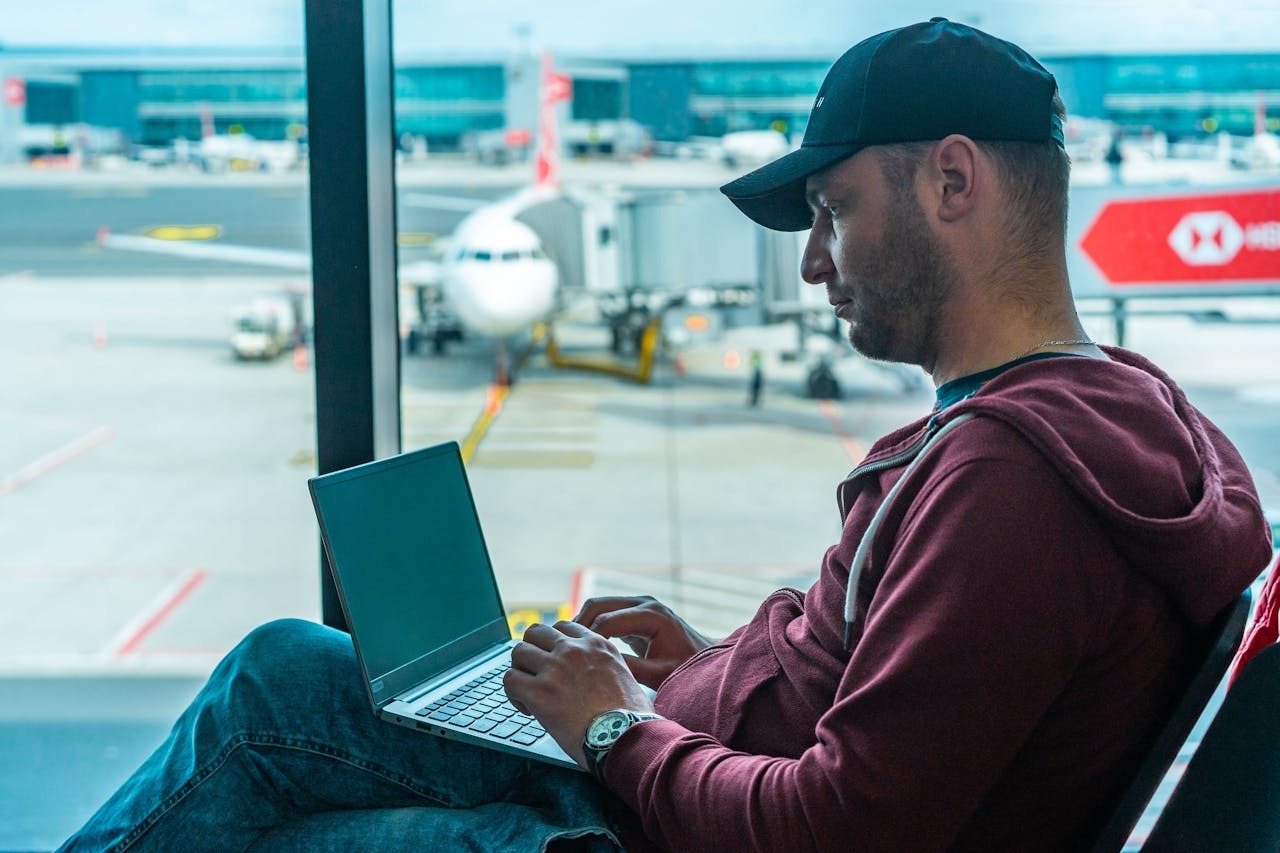
Finding free internet feels great during a flight delay. Unprotected public networks harbor invisible dangers. Hackers frequently establish rogue access points mimicking the official terminal network to lure victims.
On unsecured connections, attackers can potentially see logins and private data. Even with modern encryption, connecting to a rogue network still significantly increases your overall digital risk at the terminal.
Relying on cellular data provides a secure alternative for managing transactions. Travelers who require wireless connections should confirm the network name with staff and use a virtual private network for absolute safety.
Fake Security Personnel Imposing Fines
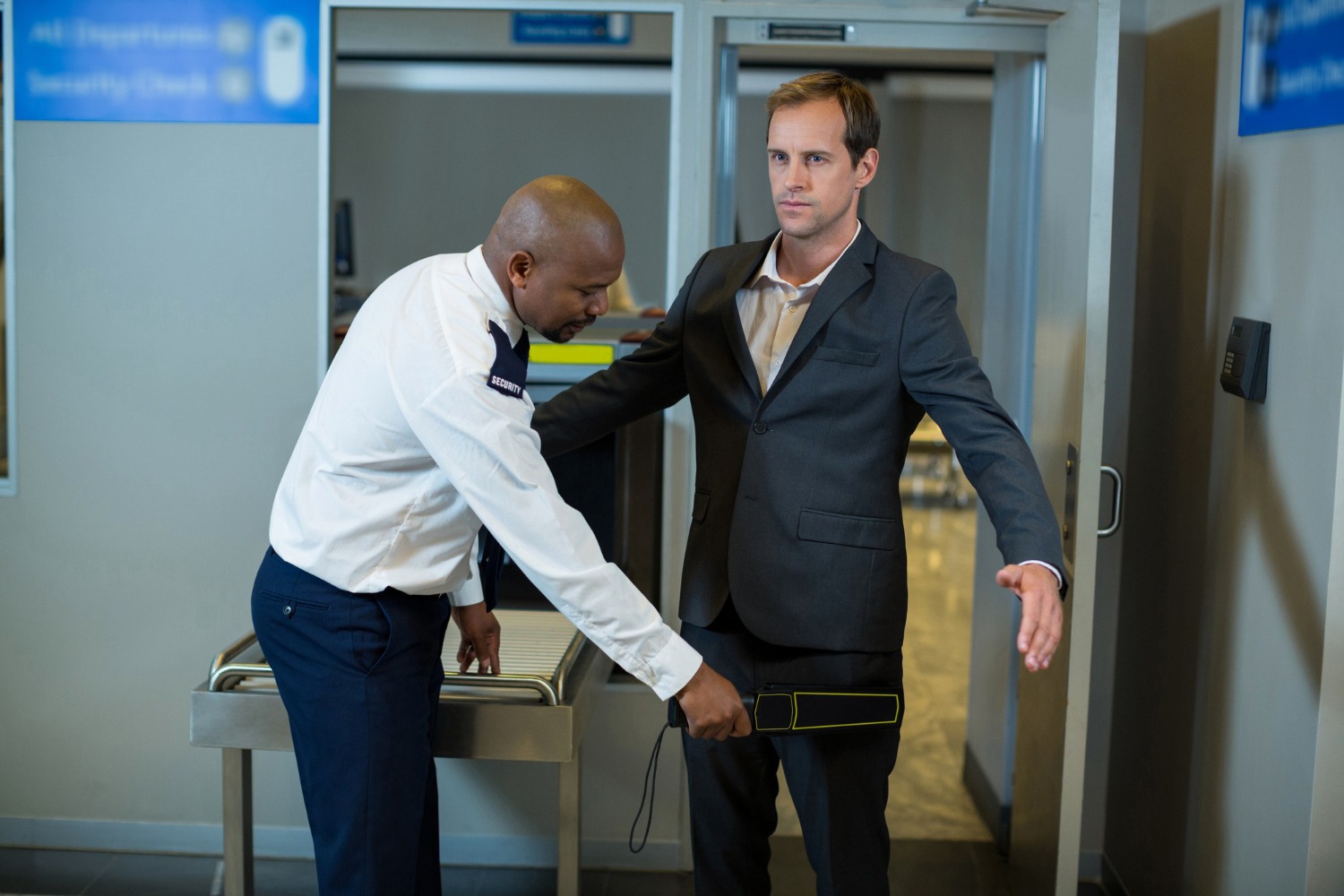
The pressure of strict security screenings provides a great stage for con artists. They impersonate official agents to extort panicked flyers. Scammers don counterfeit badges and single out overwhelmed individuals.
They falsely claim a bag contains prohibited items and demand an immediate cash penalty. Fearing a missed departure, victims hastily hand over money. The scammer then disappears back into the dense terminal crowds.
Federal security staff do not collect on-the-spot cash fines at checkpoints. Any real penalties follow formal written processes, not immediate cash payments. Report any person requesting sudden compensation to the police.
