
6 Pets That Make Wonderful Companions Until They Feel Threatened
Many pets bring comfort, companionship, and a sense of routine to daily life. At the same time, animals rely on instinct to respond to situations they perceive as threatening. Even well trained or gentle pets can react defensively if they feel cornered, frightened, or misunderstood. Understanding these behaviors helps owners create safer environments for both people and animals. The goal is not to avoid these pets entirely, but to recognize their natural tendencies and respond with awareness. By learning how different animals communicate stress or discomfort, families can build stronger relationships while reducing the chance of unexpected reactions.
Dogs

Dogs are widely known for their loyalty and companionship, yet they can react defensively when they feel threatened or confused. Even friendly dogs may growl or snap if they are startled, protecting food, or guarding their space. Body language often provides early warning signs such as stiff posture, raised fur, or avoidance of eye contact.
Teaching children to approach dogs calmly and allowing the animal space when needed can prevent many incidents. Proper training and socialization also play a key role in shaping behavior. Most dogs remain gentle companions when their boundaries are respected and understood.
Cats

Cats are independent animals that often prefer controlling their environment. When they feel threatened, they may hiss, scratch, or retreat quickly. Sudden movements or unfamiliar handling can trigger defensive reactions, especially in cats that are not used to frequent interaction.
Providing safe spaces where cats can retreat helps them feel secure and reduces stress. Understanding that a cat’s behavior is often driven by comfort rather than defiance can improve interactions. With patience and respect for their boundaries, cats can remain affectionate companions while avoiding unnecessary tension.
Parrots
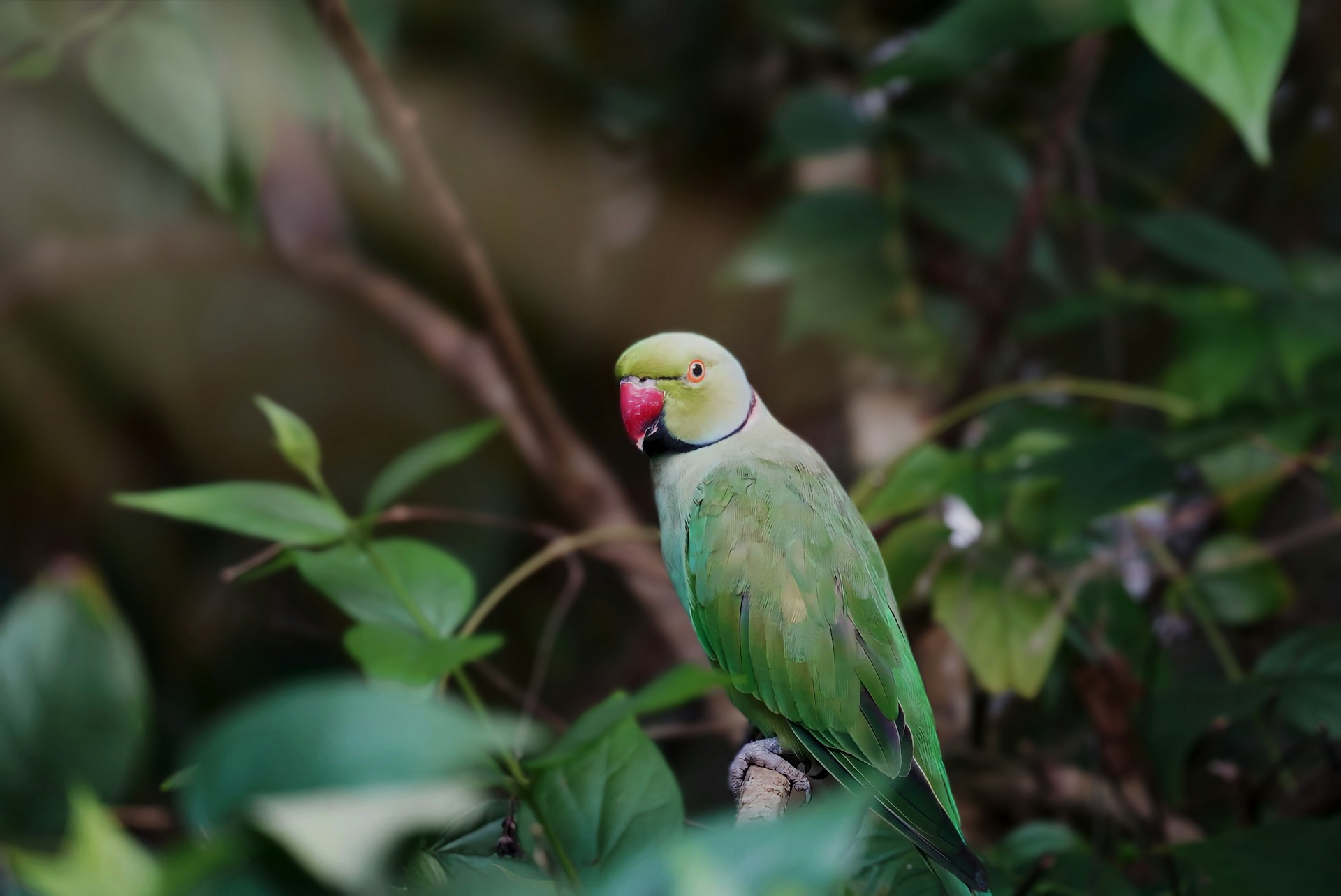
Parrots are intelligent birds that form strong bonds with their owners, but they can bite if they feel frightened or overstimulated. Loud noises, sudden changes, or unfamiliar people may cause stress. Parrots often use body language such as feather fluffing or rapid movement to signal discomfort.
Consistent handling and a calm environment can help reduce these reactions. Owners who learn to recognize early signs of stress can prevent defensive behavior. With proper care, parrots remain engaging and social pets that thrive on interaction and routine.
Rabbits
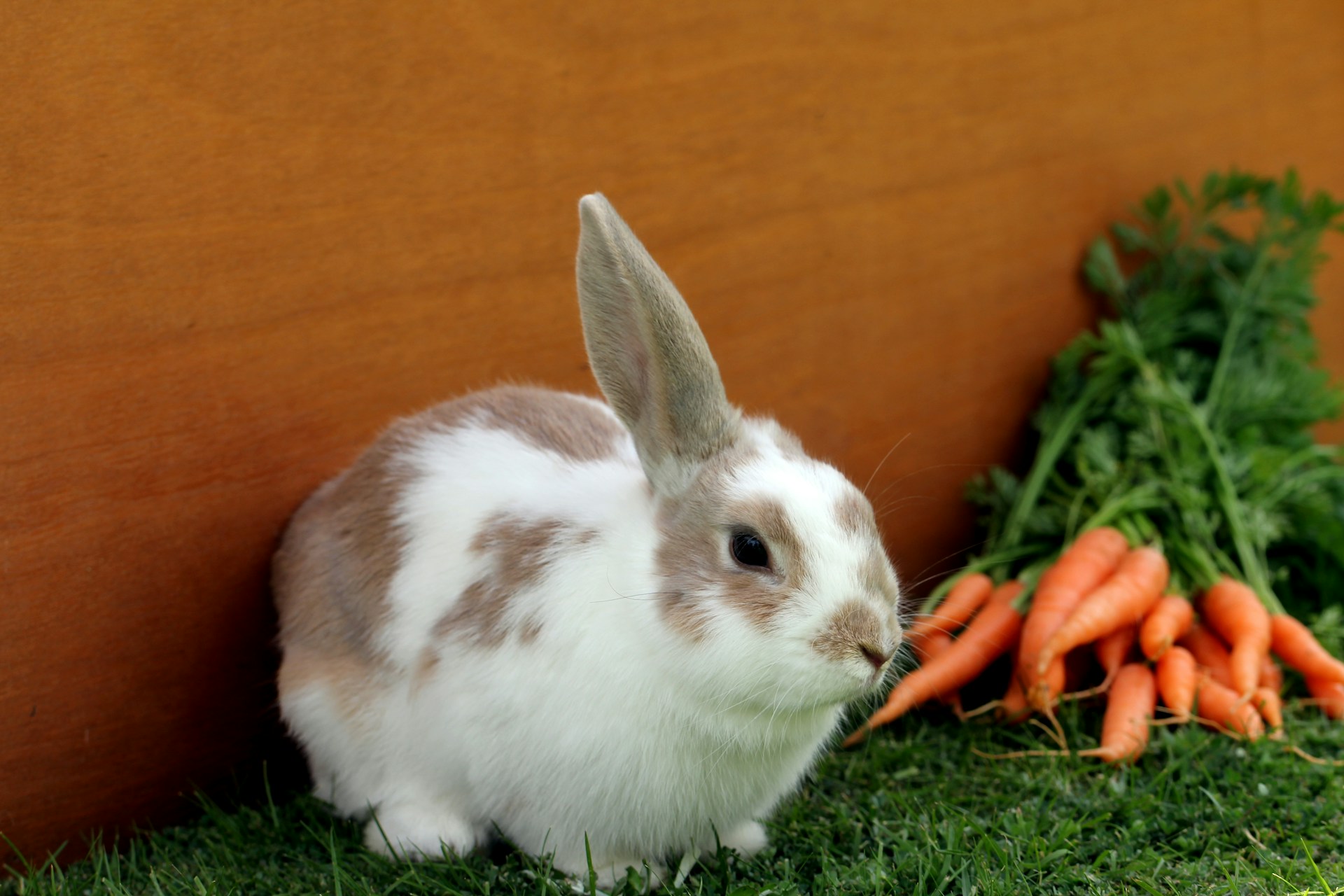
Rabbits are gentle animals that can become nervous when handled incorrectly. Being picked up suddenly or held too tightly may cause them to kick or scratch in an attempt to escape.
They prefer calm environments and gradual interaction. Allowing rabbits to approach on their own terms helps build trust. Providing hiding spaces also gives them a sense of safety. With patient handling and a predictable routine, rabbits can become calm and affectionate companions.
Hamsters
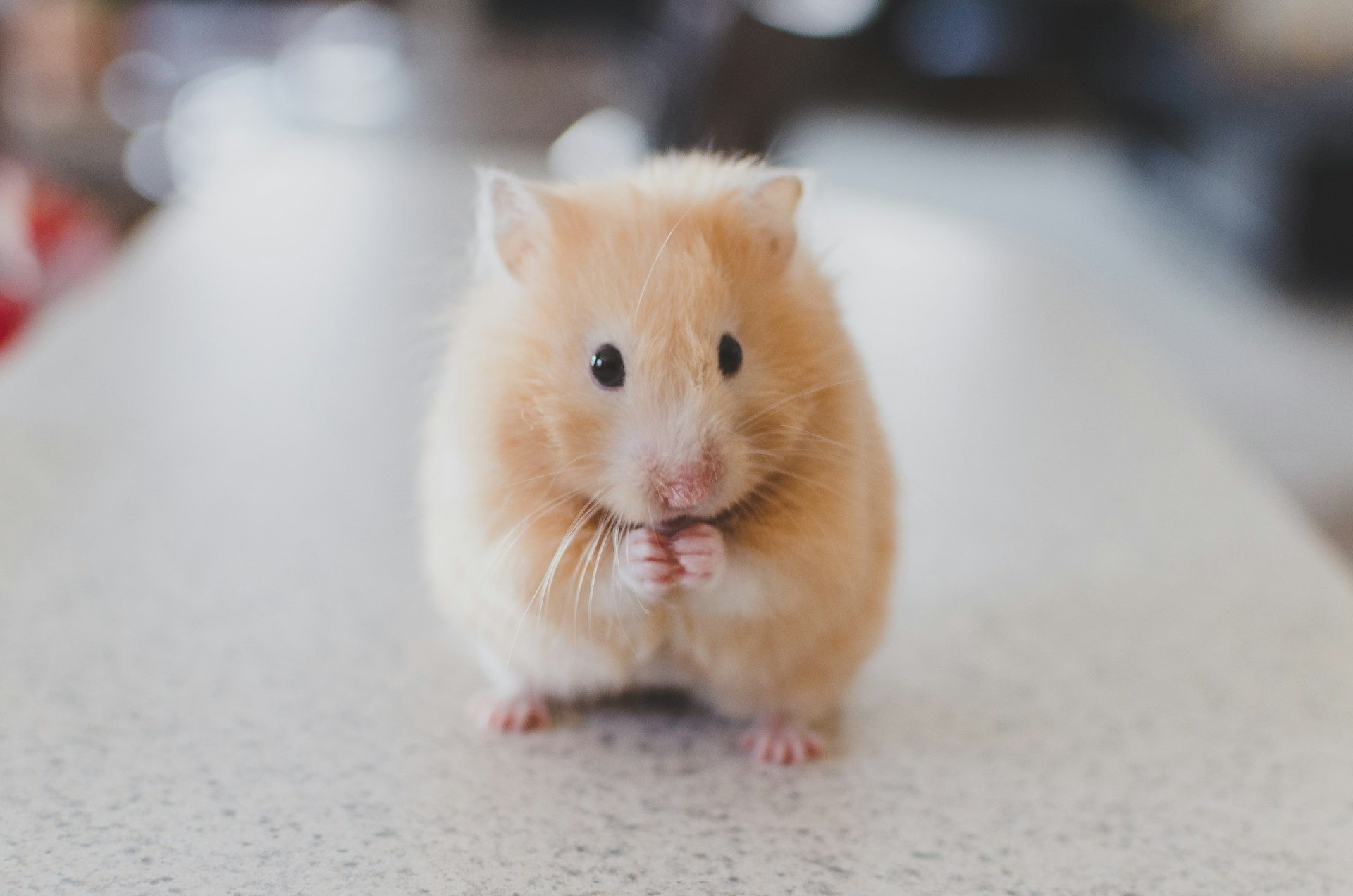
Hamsters are small pets that can react quickly when startled. They may bite if awakened suddenly or handled roughly. Because they are naturally nocturnal, they prefer interaction during evening hours. Teaching children to handle them gently and avoid disturbing them during sleep helps prevent defensive reactions.
Providing a comfortable habitat with hiding areas also supports their sense of security. When handled with care, hamsters remain easy to manage pets that fit well into many households.
Geckos
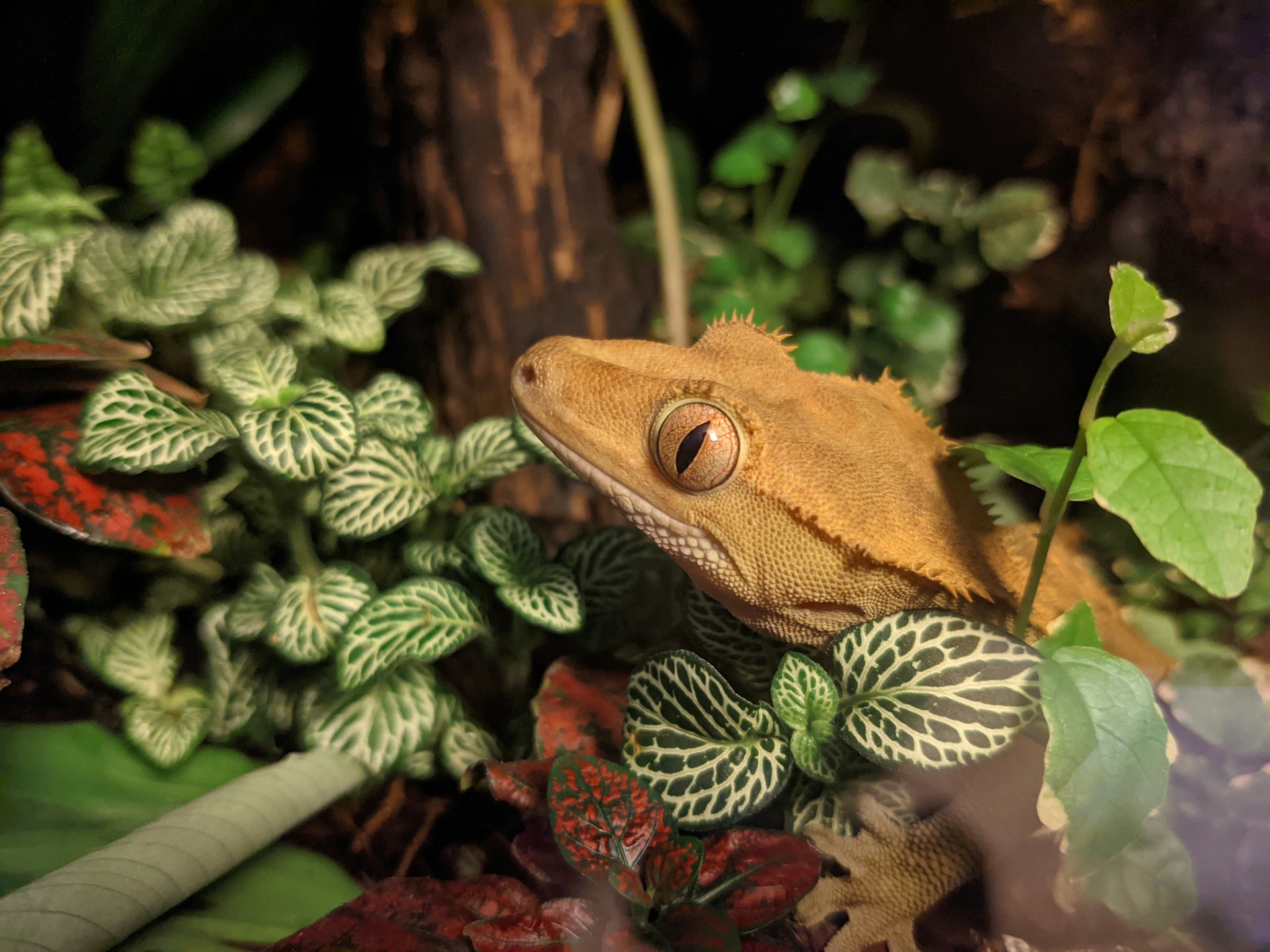
Geckos are quiet reptiles that can become stressed when handled too frequently or roughly. While they rarely bite, they may attempt to escape quickly if they feel threatened. Some species can drop their tails as a defense mechanism, which regrows over time but indicates stress.
Gentle handling and a stable environment help reduce these reactions. Observing their behavior rather than constant interaction often leads to a healthier and calmer pet. With proper care, geckos remain fascinating companions that require relatively simple maintenance.
