How To Become a Digital Nomad
Are you looking to travel full-time and want to know how to become a digital nomad? You’re not alone. This is one of the most common questions I get.
It’s a great life. I’ve been a digital nomad since early 2022 and have enjoyed every minute of it.
People think digital nomads must be either rich or have some super unique talent. While these things may be true for some nomads, neither of these is required for you. Read on to see how you can become a digital nomad.
Buy my book on Amazon.com. It contains step-by-step instructions on how to become a digital nomad.
How to Become a Digital Nomad
The first thing you need to know is that it really is possible to become a digital nomad. I didn’t have any special talent before I did it.
But there is a lot to do in order to become a digital nomad:
- Decide if this is really the life for you
- Explore employment options
- Find affordable health insurance
- Decide where to do
- Research visa requirements
- Take care of all the details – phone plans, banks, VPN, etc.
- Get rid of all your stuff
- Pack – but don’t over pack
- Go!
Let’s take a look at each of these steps.
Decide if This is Really the Life for You
Being a digital nomad isn’t easy. It’s great, don’t get me wrong, but it can be difficult. Being away from family, feeling isolated in a new city, not knowing the language… it’s hard. Make sure you know what you’re getting into by evaluating all the pros and cons of being a digital nomad.
Explore Employment Options
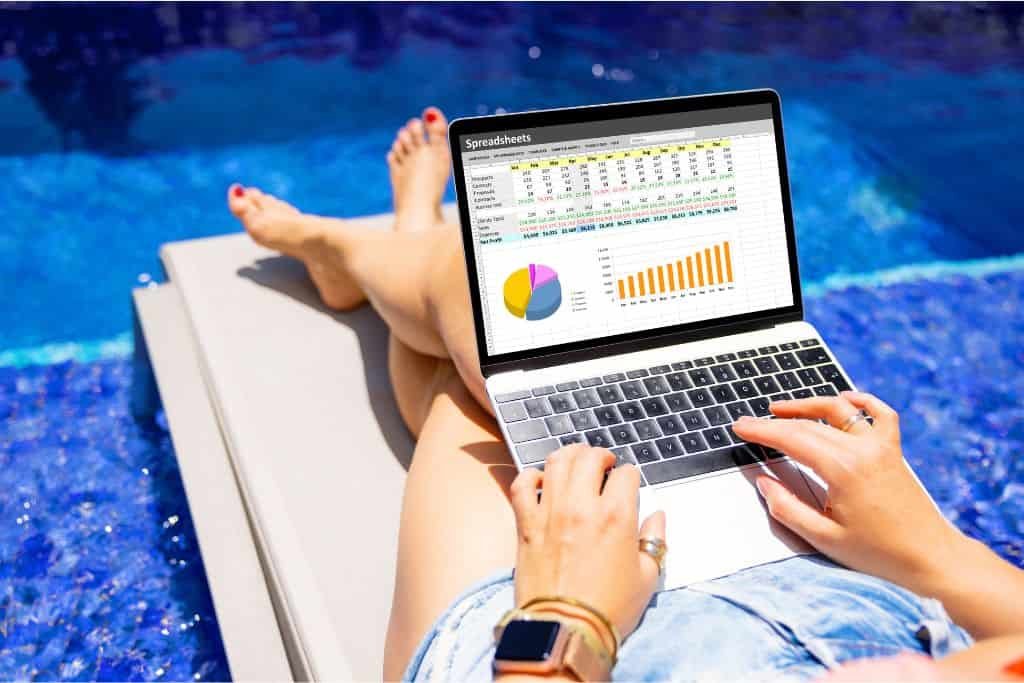
Okay, now that you’re sure you really want to do this, you’ll need a job. Basically, you have two choices:
- Find a remote job. This isn’t as difficult as many people think. Remote work has become very common. Many businesses are seeing it works really well. They’re saving money by reducing office space. Employees are happier and more productive. Everyone wins! There are more remote jobs than ever.
- Become a freelancer and start your own business. Now, this isn’t as hard as you might think. These days it’s quite easy to set up your own online business. I’ve done twice it so I know this to be true.
There are so many different things you can do as a freelancer. I’m a freelance copywriter in addition to being a blogger. I find it quite easy to find clients on LinkedIn.
I only have to work around 10 hours a week to earn enough to live fairly well. (I’m living in Mexico, which has a very low cost of living.)
Here’s a list of some of the things you can do to become a digital nomad:
I highly recommend these courses:
Write Your Way to Freedom – This course is great for learning everything about becoming a copywriter. This is how I got started and I can’t recommend it enough. Sarah takes you through everything required to get up and running. It’s not an overstatement to say it changed my life.
Scale Your Travel Blog – Want to be a travel blogger and make money? This is the course for you. Laura is amazing. She holds your hand as you build your website and start your blog. She teaches you absolutely everything you need to know to make money as a blogger.
Master Your Mindset – Stop holding yourself back. This course is amazing. Mindset work has been proven to help people get out of their own way. There are a lot of different courses, but this one is my favorite.
I created an ebook that tells you exactly what steps to take to start your own online business. You can get your free copy here. No catch. No obligations. Just some good, solid information on how you can free yourself from the nine to five and become a digital nomad.
Find Affordable Health Insurance
I go into this in much more detail in my book, but the bottom line is this is not that hard. Unless you have a major health condition, you can get health insurance on your own.
In the United States, you have access to the Healthcare Marketplace (also known as the Affordable Care Act). Some states manage it on their own, but it works pretty much the same across the U.S.
Pricing is based on your age and income. Some of the states have calculators that you can use to figure out how much you would have to pay. If you can’t do it online, give them a call.
Another option is travel insurance. There are a lot of companies that provide health insurance while you’re traveling outside the U.S.
There are two companies I specifically recommend, Safety Wing and Visitors Coverage. I’ve used them both.
Both have great customer service and comprehensive plans. Their plans are a bit different so check them both out to see which works best for you.
Keep in mind that a lot of travel insurance companies don’t cover medical treatment within the United States. Be sure to pay attention to this when shopping around.
Decide Where to Go
You’ll need to decide where to go, of course. First, do some research on locations that appeal to you. Here’s what you’ll need:
- First and foremost, you’ll need good internet.
- Cost of living within your budget.
- Favorable visa requirements.
- Safety.
That’s pretty much all you absolutely need. Although for me a warm, sandy beach is a necessity. There may be many things that you want, like good weather, large ex-pat communities, good pizza, etc.
Look for Facebook groups for places you’re considering. There are ex-pat and nomad groups for pretty much everywhere. You can get a lot of great information before you go. Also, you’ll have a network of people to meet up with once you arrive making it easy to make friends.
Research Visa Requirements
Once you’ve narrowed your destination, be sure to look into whether you’ll need a travel visa.
A travel visa is a document, usually affixed to a passport, that authorizes a traveler to enter and exit a country for a specific purpose. The most common types of travel visas are for business or tourism. Some countries also require special visas for students and workers.
A business travel visa typically allows a foreign national to enter a country in order to attend a business meeting, conference, or other professional event. This type of visa also allows the visitor to conduct work-related activities while in the country.
Some countries may require travelers on business visas to register with the local government within a certain time period after arriving in the country. This allows the authorities to know where the visitor is at all times and what they are doing while in the country.
A tourism visa allows a foreigner to enter a country as a tourist, which typically means sightseeing, shopping, visiting friends or family, or taking part in other recreational activities during their stay. Depending on the country, foreign visitors on a tourist visa may be required to register with authorities as well.
In addition to business and tourism visas, many countries also require different types of special travel visas for students, temporary workers, and other travelers who will be in the country for longer periods of time.
If you are planning on visiting another country and think you might need a travel visa, it is best to check with your local embassy or consulate to verify which type of visa you need and whether you will need to register with the government once you arrive in the country.
An easy way to find out if you need a visa is by going to www.iVisa.com. iVisa also helps you to obtain a visa, renew your passport, and more.
It’s free to do a search to see what documents you need. You can then get them on your own, or let iVisa do it for you for a fee. It’s worth checking them out to see if the price is worth it to you.
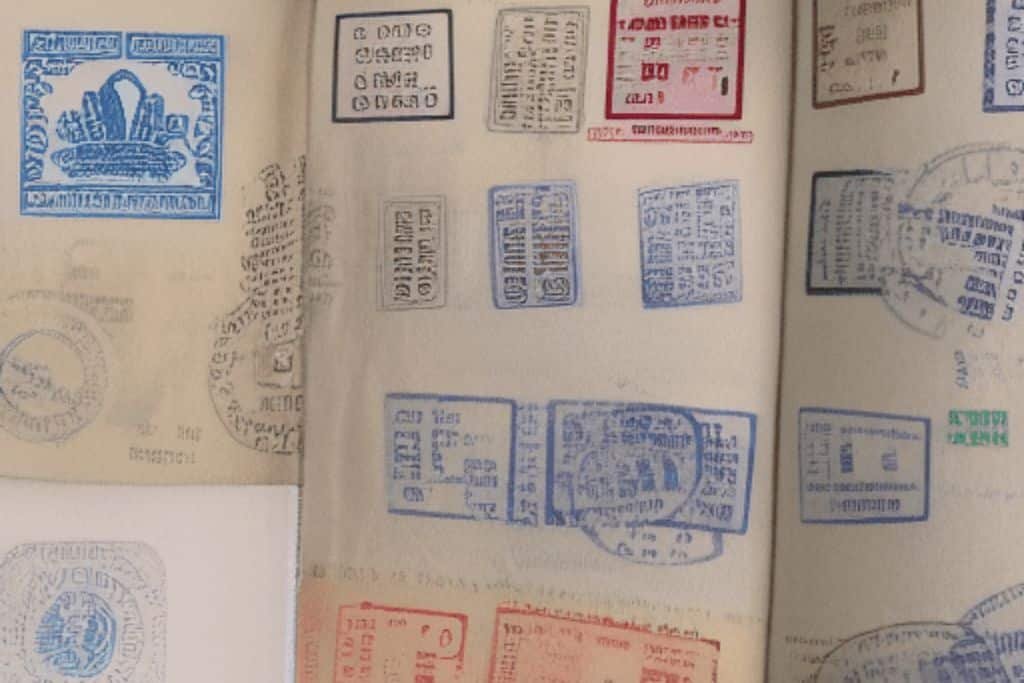
Do I Need a Tourist or Business Visa?
This is a little bit of a sticky question. First, let me say I’m not an immigration specialist or lawyer. These are my opinions only.
It’s hard to get a work visa because countries want their own citizens to have the jobs. Makes sense to me.
As a digital nomad, I work for myself. My clients are in the United States. I pay taxes to the U.S. Most importantly, I’m not taking any work away from a local.
Also, I’m spending money in Mexico. So I have no qualms about entering the country on a tourist visa. It’s kind of like going on vacation and having to send some emails for work.
Digital Nomad Visas
The digital nomad visa is a special type of visa designed for people who want to work from anywhere in the world. It allows you to stay in a country for a certain amount of time, as long as you can prove you are working online while you are there.
There are a number of countries that offer digital nomad visas, including Thailand, Spain, and Portugal.
Be sure to compare the limitations of the visa to a regular tourist visa. Sometimes you have to pay more for one type of visa without any additional benefits.
Take Care of All the Details
There’s a lot to do before you can become a digital nomad. When you buy my book on Amazon you get a free planning workbook you can download. Just enter the date you plan to leave and it will populate the dates you should begin and end each task. It makes the planning process so much easier.
Money Matters
Banking can be a tricky thing when you live outside your home country. You’ll need to be able to access your money without paying huge fees. This is something you’ll need to sort out before you leave the country to become a digital nomad.

If you’re from the US, you might consider a Charles Schwab account. They don’t charge any foreign transaction fees and they reimburse any ATM fees incurred.
Schwab offers investment services for non-US citizens and may allow international customers to open checking accounts as well. Fidelity does the same, but only accepts US citizens.
Many nomads like Wise (formerly Transferwise) and Revolut. Both let you manage multiple currencies and accept people from all over the world.
I also use Novo for my business checking. It’s fully online and doesn’t charge a bunch of fees. They also reimburse some ATM fees.
Make sure you have at least two separate credit cards. If one gets compromised, you’ll need a backup. I also keep a prepaid card from Chime for emergencies. Of course, you’ll need to keep it in a super safe place separate from your other cards.
Taxes

This is a big one. As long as you’re a citizen of your home country, it’s most likely they will want you to pay taxes. Unfortunately, I can’t advise you on taxes. Be sure to consult a tax advisor to make sure you know what you need to do.
Don’t rely on advice from other nomads on Facebook. I see so many people asking for tax advice from strangers. This is too important to leave to chance. At the very least, consult your tax authority’s website to see what they recommend. But the cost of a tax advisor is worth it.
Travel Insurance

It is strongly recommended that you have travel insurance. This can include health insurance, but it doesn’t have to. Anything can go wrong when you’re traveling. Once you become a digital nomad, you’ll be doing a lot of traveling!
There are many companies that provide insurance for whatever you need. You can get health insurance that is good worldwide. You can get insurance that covers emergencies abroad.
If you own a home, your homeowner’s insurance may cover theft of property while traveling. Be sure to check your policy.
You may also have travel insurance through your credit card. Some cards offer rental car insurance and other travel perks.
One highly recommended company is Safety Wing. They provide a wide range of insurance plans.
I currently have an annual travel insurance plan that is very reasonably priced. It covers emergency medical, travel emergencies like lost luggage and canceled flights, as well as accidental death.
Insurance is a very personal decision since everyone has different needs and risk tolerance. Just be sure to have some sort of insurance in place. I’ve used mine once and it paid for itself.
Phone Service

Don’t get surprised by huge roaming or international charges on your cell phone. Make sure your carrier has an international plan. Many providers offer international services for an additional charge.
Check out the different options and pay close attention to the fine print. I know people who have been surprised with thousands of dollars in fees.
Many people get a new SIM card when they arrive in a new country. This is a good alternative if you’ll be in one country for a while. You can also get an E-SIM. Airlo is a great option.
Alternatively, you can use WhatsApp, Skype, or Zoom to call internationally for free.
Legal Documents

It’s not required, but it may be a good idea to ensure you have your legal affairs in order. You should consider creating a will or trust. I have set up power of attorney for my son in the event something happens to me. It will save him a lot of trouble if he has to deal with my affairs. I also have a medical directive in place.
Don’t let any of this scare you. Being a digital nomad isn’t dangerous for the most part, as long as you stay out of war zones. It’s just good for your peace of mind and your family’s. I keep a digital copy of my legal documents with me and my son has the originals in the States.
What About an Address if You Don’t Have a Home in Your Country?
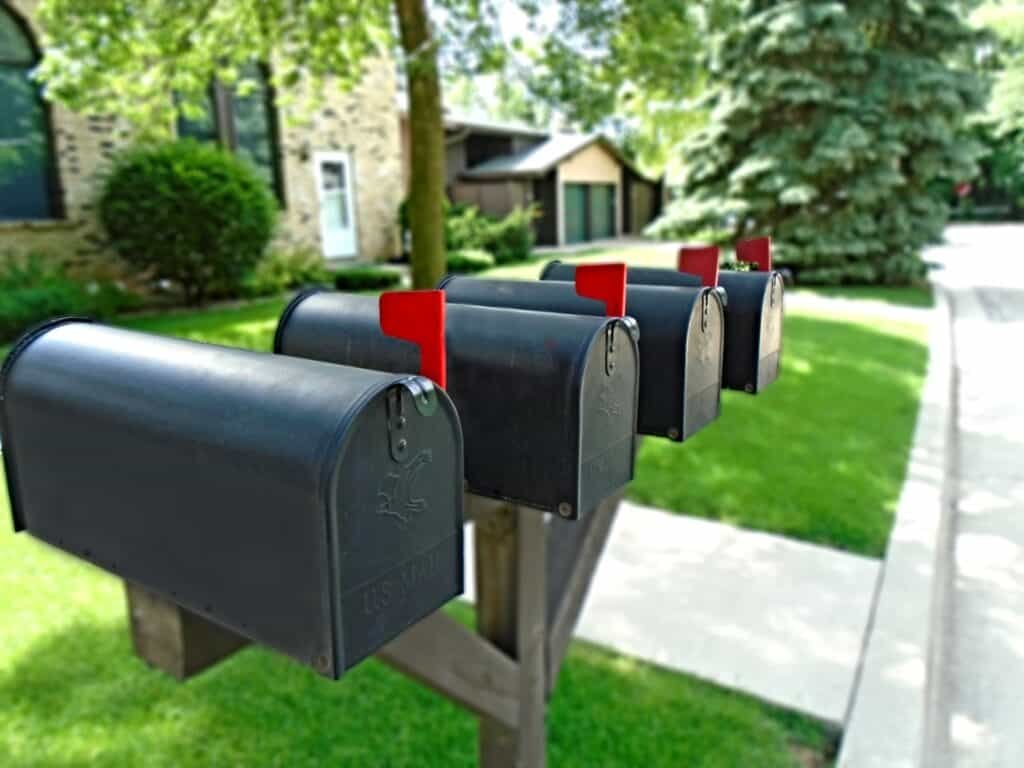
No matter where you’re from, you’re going to need an address. Some people just use a family member’s address. This is a good and free option. But depending on the situation, it can be a bit of a burden for them. Or what if you don’t have any family or none that you trust to handle your important mail?
You can get a virtual address. There are many companies that do this. You get a real street address in your choice of countries and cities.
When they receive your mail, they email you a scan of the envelope. You can then request they open it and scan the contents to you. Or you can just have junk mail tossed.
They normally provide secure shredding services also. Many will also forward mail or packages to wherever you are (for an additional fee). I’ve also seen where some companies will deposit checks for you.
I use iPostal1 for my mailing address. I got my virtual address near where my son lives in California. That way in the event I need to have something picked up, like when my driver’s license renews, they can just hold it until I visit my son again.
I go to the States twice a year, so this works well for me. I could use the forwarding service, but sometimes I don’t want to risk something getting lost in a foreign mail system.
What if I Want to Bring My Pets?

I get it! My dog is family. I would never give her up. Luckily, traveling with a pet is not difficult. It does take some extra planning. You need to take a bit more stuff with you. But people are doing it.
Some things to keep in mind:
- Most, if not all, airlines only allow one pet per passenger.
- Large dogs have to fly in the cargo hold. I’ve heard both good and bad stories about this. At the least, you may be limited on when and where you can fly based on the weather. Even if the cargo hold is climate-controlled, your dog may be sitting on the tarmac for hours in very hot or cold weather.
- You may not be able to take your pet on public transportation.
I have a story about that last item. My plan for Mexico was to take the ADO bus to get around between cities. It’s clean, inexpensive, and comfortable. Coming from California, a very dog-friendly place, it didn’t even occur to me that I couldn’t take my small dog in a carrier.
That’s not the case. Dogs have to travel in the cargo compartment of ADO buses. This is a terrible place for dogs – hot, humid, and full of fumes. I would never put my dog in there. So that means I need to pay significantly more to hire a driver, take a taxi or Uber, or rent a car.
I’m okay with that. It’s not a deal-breaker and my dog’s worth the extra expense. It’s just good to know these things for budgeting.
Get Rid of Your Stuff

There are some different ways people go about being a nomad.
- They keep their home intact while they’re traveling, leaving it empty or renting it out.
- They put their things in storage.
- They get rid of everything except for what they can carry.
I guess there is option number 4. This is what I do. I have a few things stored at my sister’s house. Not much, just the things I’ll want when I finally settle down and stop being a nomad.
Things like my grandmother’s cream and sugar set and some special things my son gave me and a few Christmas ornaments. I also keep some winter clothes at my son’s house. I don’t want to haul sweaters around the Caribbean just so I don’t freeze when I go back to the States for Christmas.
Other than that, everything I own is what I can carry. Having a dog complicates things because she needs stuff too. But it’s so freeing to not have possessions weighing me down.
Packing
First, download this packing list to make sure you don’t forget anything.
Packing was one of most difficult things for me. I knew I was over packing but I didn’t know how to stop. Believe me, when I was struggling to haul my luggage down an uneven street in Campeche, Mexico, I wanted to kick myself. That day I got rid of eleven pounds of stuff.
You really need less than you think. Here are some tips to keep your stuff to a minimum:
- Avoid stuff with non-rechargeable batteries.
- You don’t need a ton of clothes.
- You don’t need a ton of shoes.
- You can buy toiletries, supplements, etc. at your destination. Just pack enough for a couple of days.
Go!
As you’re in the early planning stages, just take a minute and imagine this:
You’re in the airport about to board a plane to start your new life as a digital nomad. All the possibilities are in front of you. You are living the life you’ve dreamed of.
It’s the best feeling in the world.
Frequently Asked Questions: How to Become a Digital Nomad
What is a digital nomad?
A digital nomad is a person who uses technology to work remotely while traveling the world, instead of working from a traditional office setting.
What skills are needed to become a digital nomad?
To become a digital nomad, you need to have strong communication skills, time management skills, and the ability to work independently. Additionally, you will need to have expertise in a field that is conducive to remote work, such as web development, writing, design, or marketing.
How can I become a digital nomad?
To become a digital nomad, you need to first identify a skill set that is suitable for remote work. Then, you can start building your portfolio and networking with others in your industry. You can also consider taking online courses or attending workshops to develop your skills further. Once you have the necessary skills and experience, you can start looking for remote job opportunities or freelance gigs that will allow you to work from anywhere.
Do I need to have a specific degree or certification to become a digital nomad?
No, you do not necessarily need to have a specific degree or certification to become a digital nomad. However, having relevant experience and a strong portfolio can be helpful in securing remote work opportunities.
How much money do I need to become a digital nomad?
The amount of money you need to become a digital nomad depends on your lifestyle and travel preferences. It’s a good idea to have savings to cover at least several months’ expenses.
Can I work as a digital nomad while traveling with my family?
Yes, you can work as a digital nomad while traveling with your family. However, you will need to consider the needs of your family and find ways to balance work and family time.
How can I stay productive as a digital nomad?
To stay productive as a digital nomad, you can create a routine that includes regular work hours, breaks, and time for self-care. You can also use productivity tools such as time-tracking apps, to-do lists, and project management software.
How can I stay connected with other digital nomads?
To stay connected with other digital nomads, you can join online communities and forums, attend meetups and events, and network with other professionals in your industry.
What are some challenges of being a digital nomad?
Some challenges of being a digital nomad include loneliness, lack of stability, and difficulty in maintaining work-life balance. Additionally, you may face cultural differences and language barriers while traveling to different destinations. However, with proper planning and preparation, these challenges can be overcome, and you can enjoy the freedom and flexibility of the digital nomad lifestyle.
Am I too old to be a digital nomad?
If you can get around, you’re not too old. I started at 53. I find it’s better being an older digital nomad. I have freedom to do what I want and I’m not afraid to try new things.
Wrap-Up: How to Become a Digital Nomad
Becoming a digital nomad is possible. Going from working in an office to being a full-fledged digital nomad isn’t easy. It takes a lot of planning and work to get there. But it’s far from impossible.
I did it. Why can’t you?
Ladies, join my free, private Facebook group, Women Over 50 Digital Nomads. It’s a safe place to connect, learn, and thrive as a digital nomad. You don’t need to be over 50 but you do need to be a woman.
Related Posts
- Can I Be a Digital Nomad With a Dog?
- Pros and Cons of Being a Digital Nomad
- Countries With Good and Affordable Healthcare
- The Best Cities for Digital Nomads
- Best Digital Nomad Books
- Older Digital Nomads
- Working for a US Company While Living Abroad
- Navigating the World of Digital Nomad Housing
- Digital Nomad Health Insurance – How to Find Affordable Insurance
- What is a Digital Nomad?
- Amazing Digital Nomad Blogs You Must Read
- How to Find Remote Work
