
Cozumel National Marine Park: What to Know Before You Go
Cozumel National Marine Park isn’t just a pretty place to snorkel. It’s one of the most important marine ecosystems in the Caribbean and a big reason people travel to Cozumel in the first place.
I’ve been diving here for years, and I still get blown away every time I drop below the surface.
The coral formations are massive, the water is unbelievably clear, and there’s always something new to see.
Sometimes it’s tiny colorful fish. Other times it’s an eagle ray gliding past.
If you’re planning a trip to Cozumel, here’s what makes the marine park special, why it matters, and how you can experience it responsibly.

What Exactly Is Cozumel National Marine Park?
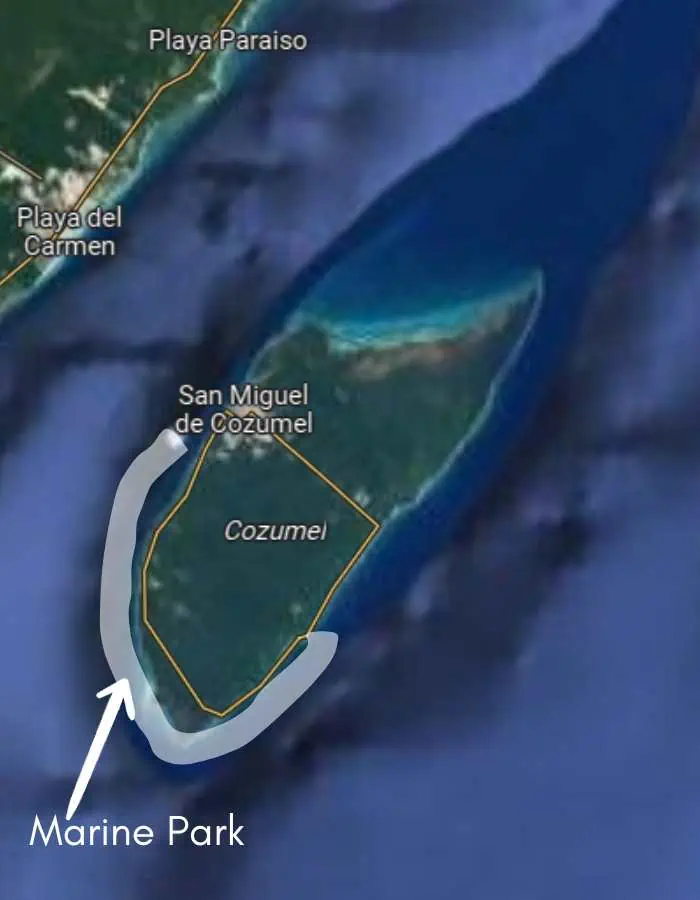
The park covers nearly 30,000 acres of protected ocean on the southern half of the island.
It’s part of the Mesoamerican Barrier Reef, the second-largest reef system in the world, right after Australia’s Great Barrier Reef.
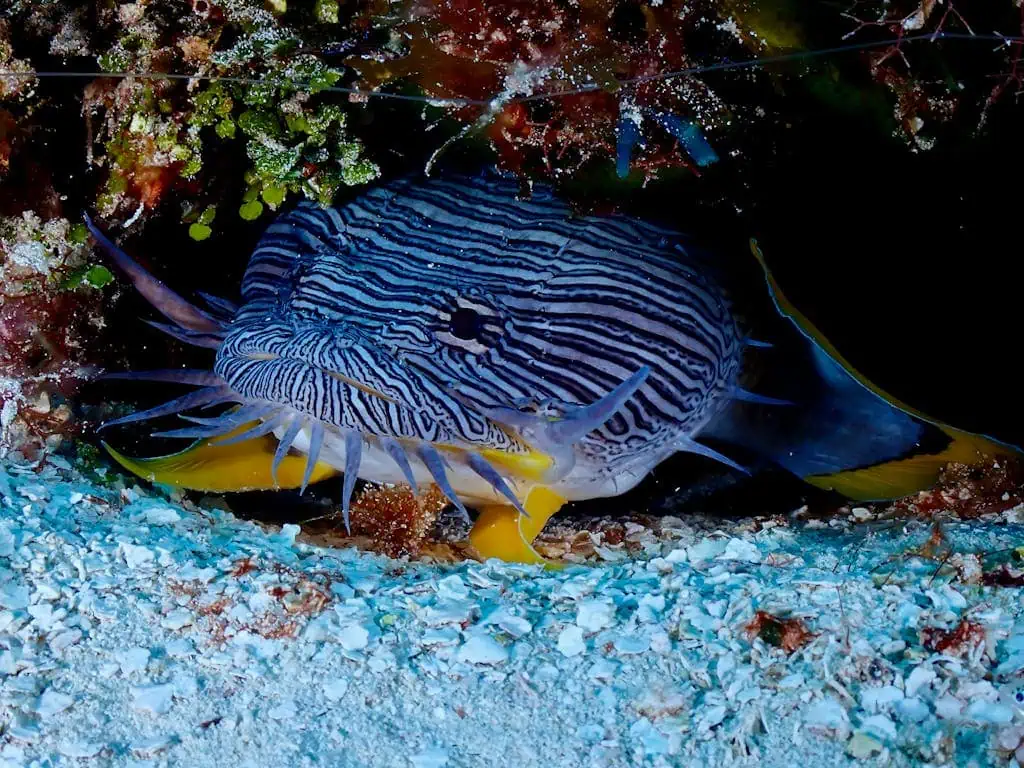
This area is packed with life, with over 500 fish species, 26 types of coral, plus turtles, rays, and the island’s famous splendid toadfish, a species you won’t find anywhere else.
The park isn’t just about tourism. It’s a critical nursery and feeding ground for marine life, and protecting it helps keep Cozumel’s waters healthy for generations.
Why the Park Was Created
By the 1990s, Cozumel was already a major dive destination, but all that traffic was taking a toll on the reefs. Anchors, overfishing, and careless tourism were damaging fragile coral that takes decades to grow.
In 1996, the marine park was officially established to fix that. Since then, the focus has been on balancing conservation with tourism. The goal is to allow people to enjoy the reefs without destroying what makes them special.
What the Park Protects
The park isn’t just about coral. It also protects mangroves and seagrass beds along the coast. These areas filter the water, store carbon, and serve as safe nurseries for juvenile fish.
The reefs themselves are the real showstoppers. They provide food and shelter for almost everything you’ll see while snorkeling or diving.
They’re also extremely fragile. One careless kick or touch can kill living coral, which is why conservation rules are so strict.
Where It Is
The marine park covers the southern half of Cozumel’s coast and extends out to sea. Most of the island’s well-known dive and snorkel sites, like Palancar and Columbia, are inside the park boundaries.
If you’re joining a tour, odds are you’ll be heading into the park. This is why you pay a small daily fee (currently around $5 USD) that goes directly toward conservation.
How to Experience the Park
Snorkeling
If you’re not diving, you can still see plenty from the surface. Spots like El Cielo are shallow, full of starfish, and perfect for snorkeling. The water is calm, which makes it beginner-friendly.
Scuba Diving
This is what Cozumel is famous for. Drift diving here is world-class. You let the current carry you past giant coral towers, swim-throughs, and huge sponges.
Palancar, Columbia, and Santa Rosa Wall are the most well-known dive sites, but even the lesser-known reefs are incredible.

Guided Tours
Most operators include park fees, gear, and a guide who knows the rules, like no touching coral or feeding fish. Go with a reputable shop that follows the park’s sustainability guidelines. It matters.
Conservation in Action
A few things you might notice when visiting:
- Rotating reef closures: Certain dive sites close on a schedule to let them recover from traffic.
- Strict rules: No sunscreen unless it’s reef-safe, no anchoring, no touching or collecting anything.
- Community involvement: Local dive shops and researchers monitor reef health and run restoration projects.
These rules can feel strict, but they’re the reason the park is still thriving.
How You Can Help
Your actions make a difference:
- Use reef-safe sunscreen or, better yet, wear a rash guard.
- Don’t touch coral or wildlife, even if it looks dead.
- Skip single-use plastics when possible.
- Follow park rules because they’re there to protect what you came to see.
Even small choices, like booking with eco-conscious tour operators, add up.

Wrap-Up: National Marine Park in Cozumel
Cozumel National Marine Park is more than a bucket-list dive spot. It’s living proof that conservation can work when done right. The reefs are healthier now than they were decades ago, even with tourism.
Whether you’re snorkeling for the first time or you’ve logged hundreds of dives, the park delivers that “wow” moment every single time.
Related Posts
- Cozumel Diving: The Complete Guide
- Best Places to Snorkel in Cozumel
- Best Snorkel Tours in Cozumel
- Day Trip to Cozumel From Playa del Carmen
- Atlantis Submarine Cozumel Review & Tips
- Cozumel Crocodiles – What You Need to Know
- Is Cozumel Worth Visiting?
- Cozumel vs. Playa del Carmen: Which is Better?
- Cozumel vs. Isla Mujeres: Which is Better?
- Best Free Beaches in Cozumel
Pro Tips for Your Mexico Trips
Do I need travel insurance?
YES. No matter when you visit Mexico, don’t forget to buy travel insurance. It’s a small price to pay for peace of mind. If you need it once it will pay for itself many times over. I highly recommend Safety Wing. They have a proven track record for customer satisfaction and a variety of coverage levels.
Is it safe to rent a car in Mexico?
YES. Renting a car in Mexico is not only safe, but it’s a great way to explore. Discover Cars is hands down the best rental car company. They check international and local companies to get you the best rates.
Will my phone work in Mexico?
Maybe — It depends on your company, so check with your provider. If you don’t have free service in Mexico, the least expensive option is to buy a Telcel SIM card. As Mexico’s largest carrier, Telcel has the best coverage of any Mexico SIM Cards. I have one and it’s been a lifesaver.
You can also get an eSIM. Airalo has coverage in over 200 countries/regions, including Mexico.
What’s the best way to book my Mexico accommodations?
For Mexico hotels, Booking.com is the best site, but for hostels, check out Hostel World. If you’re considering a Mexico Airbnb, don’t forget to check VRBO, which is often cheaper with more options.
What do I pack for Mexico?
My Mexico packing list has all the info you need on packing for your trip to Mexico.
What’s the best site for great deals on flights to Mexico?
For finding cheap Mexico flights, I recommend using Skyscanner.
Do I need a visa for Mexico?
Probably Not. U.S., Canadian, and most European passport holders don’t need a visa for Mexico. To verify if you’ll need a Mexico travel visa check the Mexican Consulate’s website.
For assistance with all your worldwide visa questions, check out iVisa.
