
Guide to Planning a Road Trip With A Dog Without The Stress
Did you know that 53% of dog owners take their dogs on road trips? It’s becoming more and more popular to take our dogs with us when we travel.
But traveling with a dog (or several dogs) isn’t always a walk in the park. It takes a lot of planning, even for a short getaway.
Let’s take a look at how to plan the perfect road trip with your dog, whether it’s a few hours or several days.
How to Plan a Stress-Free Road Trip With A Dog
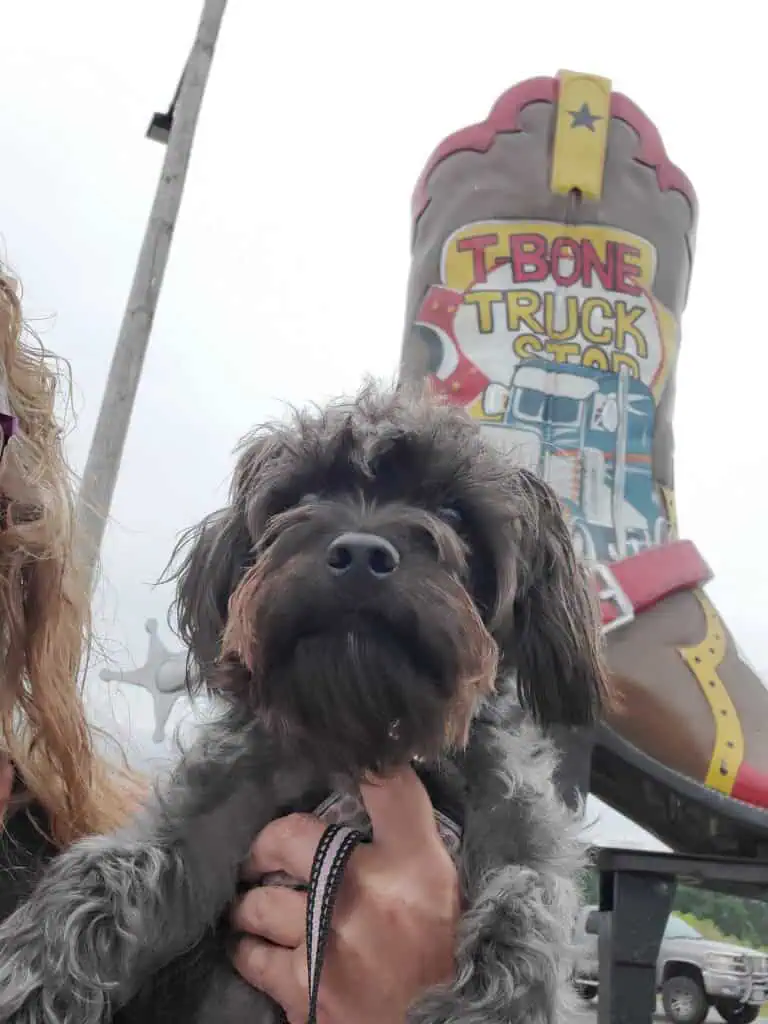
I’ve been traveling full-time with my Yorkiepoo, Shelby since she was a year old. We’ve taken countless road trips together. We even drove from California to Maine and back again.
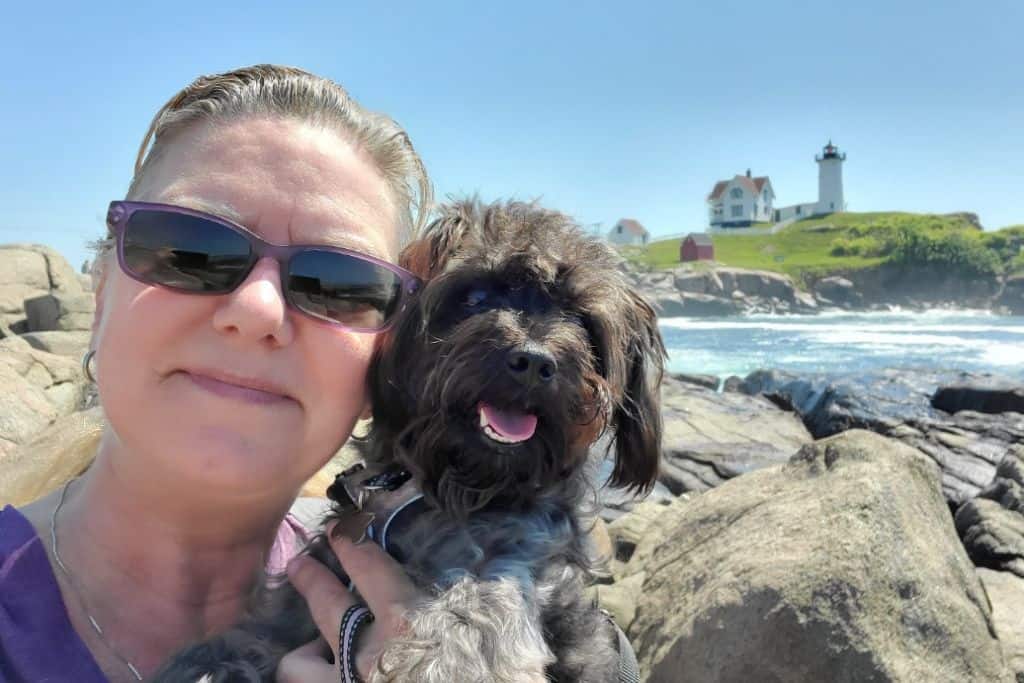
Luckily, on that cross-country trip, my mom was with us so I had help. But most of our trips have just been the two of us.
Over the miles, I’ve learned many tricks to make road trips easier for both of us. The most important thing is to plan ahead. Traveling with a dog is no time for winging it.
Let’s start at the beginning.
1. Get Your Dog Used to the Car
If your dog isn’t used to the car yet, it’s important to start by getting him or her acclimated.
Start by going on short car rides around the neighborhood. Go to a nearby park or pet store.
Weather permitting, leave them in the car for a few minutes while you run into a convenience store so they get used to being alone.
Make these trips fun by giving treats and playing their favorite games at the destination. Your dog will start seeing car rides as something to get excited about.
2. Plan Your Route
Thorough planning will make everything easier and less stressful.
Check the weather and traffic for your travel day. Hot cars = cranky dogs (and humans).
In the summer, plan to drive during cooler hours such as early morning or evening, and avoid rush hour. If it’s hot, plan more frequent breaks and pack extra water.
If you’re driving through long stretches of nothingness (hello, Utah, Wyoming, and Nevada!) it’s especially important to map out good places to stop. Sometimes gas stations can be several hours apart.
3. Book Dog-Friendly Hotels Ahead of Time
Not all “pet-friendly” stays are created equal. Some charge extra fees, have weight or breed restrictions, or only allow dogs in certain rooms.
I use Booking.com to find hotels that allow dogs. It’s easy to filter to only show dog-friendly spots.
Just be sure to read the fine print. I’ve seen hotels charge as much as $100 for a dog. Some also have size restrictions.
4. Map Out Dog-Friendly Restaurants
Look for restaurants with patios or outdoor seating that allow dogs. Apps like BringFido and Yelp can help you find pet-friendly spots along your route.
Pretty much all fast food places with a patio will let you have your dog with you. Larger chains such as Applebees, Outback Steakhouse, and Lazy Dog also allow dogs on the patios.
You can always hit a drive-through or order ahead to places with curbside service. Then enjoy your meal at a park where your dog can stretch his legs.
5. Plan Rest Stops at Parks or Dog-Friendly Areas
Plan to pull over every couple of hours. This gives your dog a chance to stretch their legs, take care of business, and grab a drink of water.
What to Do When You Need a Bathroom Break
Traveling solo with your dog makes using a restroom tricky, especially in hot weather.
Leaving your dog alone in a hot car is never safe. Even with the windows cracked, temperatures rise quickly. It only takes minutes for things to get dangerous.
The good news is with a little planning, you’ve got options.
- Use a spare key to keep the car running: Take a backup key or fob with you. That way, you can lock the doors while keeping the engine and AC running. It’s one of the safest ways to make a quick bathroom stop without overheating your dog.
- Portable AC units help—but only a little: Park in the shade and use a small portable AC to bring the temperature down a bit. Just know these setups usually only lower the temp by 8–10 degrees. They’re fine in mild heat but not reliable when it’s really hot out.
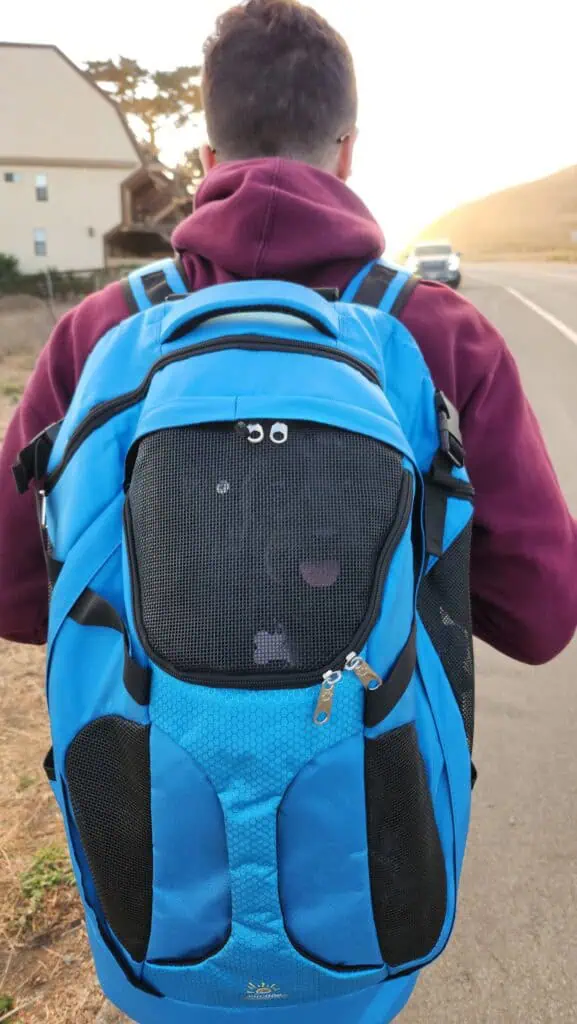
- Look for dog-friendly pit stops: Some gas stations, truck stops, or larger convenience stores will let you bring your dog inside especially if they’re small or in a carrier. I have a dog carrier that looks more like a regular backpack that doesn’t get a second look.
- Look up some fun spots along your route where your dog can really let loose: Dog parks are perfect for burning off energy, while pet-friendly rest areas offer safe spaces for quick walks. Some travel stops even have dedicated pet areas with grass patches and water stations.
- Plan your stops during cooler times: Early mornings and evenings are your best windows for breaks. Avoid peak sun hours when possible, and try to time stops around shaded or breezy areas.
- DIY your own restroom: Pack a small portable toilet and a pop-up privacy tent. In just a few minutes, you’ve got your own private bathroom anywhere. This setup is especially handy if you’re traveling with kids or anyone who needs a little extra help using public restrooms.
6. What to Pack For Your Dog
Being prepared means less stress for you and more comfort for your pup. Here’s what to bring to keep things running smoothly on the road:
- Enough food for the whole trip: Stick with your dog’s regular food to avoid an upset stomach. You might not be able to find your preferred brand at your destination. Bring extra in case of travel delays or spills.
- Water and collapsible bowls: Pack a few collapsible bowls and stash them in different places like your day bag, the backseat, or the glove box. That way, you’re never scrambling when your dog’s thirsty.
- Comfort items from home: Bring the blanket they always curl up on, their favorite toy, or anything that smells like home. These familiar things help your dog feel calm and safe in new environments like hotel rooms or campgrounds.
- Medications and a pet first-aid kit: Don’t forget any meds your dog takes regularly. A basic pet first-aid kit with items like tweezers, antiseptic wipes, and gauze can help you handle minor issues on the go.
- Plenty of waste bags: You’ll go through more than you expect, especially on longer stops or detours. Keep rolls in your bag, car doors, and even your jacket pocket. Help the earth at the same time by using biodegradable bags!
- An airtight container to put waste bags in if there’s no garbage can readily available. Trust me, a Ziploc bag on its own won’t cut it. You can get one specially made for dog waste.
- A cooling vest for hot days. Dogs tend to get overheated when they’re nervous. A cooling vest will keep them cool. Also, consider dog booties for hot pavement.
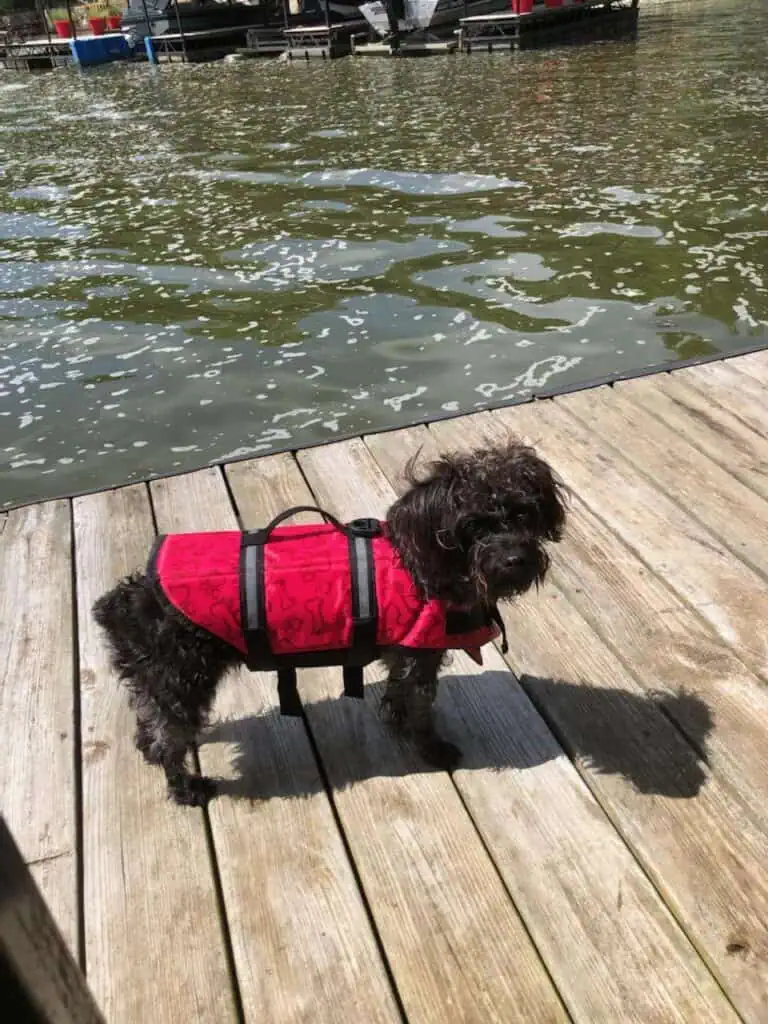
- A life jacket for swimming in open water. Keep your dog protected in case of strong currents with a life jacket.
- Updated ID: Make sure your dog’s collar has current ID tags with your phone number including area code. If you’re leaving the country or traveling close to the border, it should also have the country code.
- Backup Equipment: Bring a backup leash (or two), just in case one gets misplaced or damaged.
- A recent photo of your dog: I’ve never met a dog owner who doesn’t have a million photos of their dog on their phone. But still, make sure you have a recent, clear photo that shows your dog’s face and any unique markings. If they slip away, it’ll make it easier to get help quickly.
7. Ensure Safety and Comfort in the Vehicle
Driving with a dog on your lap isn’t safe. Neither is having your dog unrestrained. Here are some safety and comfort tips:
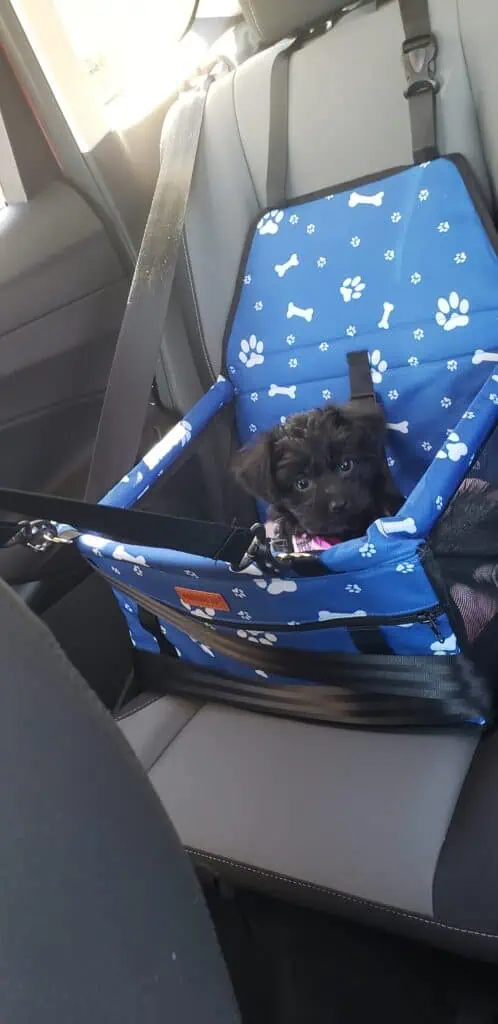
- Use a crate, dog seat, or travel crate to keep your dog (and you) safe.
- If you use a crate, be sure it is securely fastened down to prevent it from moving around.
- If your dog prefers a harness, pick one that clips directly to the seat belt. I use one that has both a clip and a loop that can go around the headrest. I usually use it with the clip, but I like that it can be versatile if needed.
- Set up a cozy spot with their favorite bed and blankets where they can stretch out comfortably.
- Adjust your car’s vents to keep fresh air moving through their space. You can also use portable fans for the backseat or cargo area.
- Pop some window shades on the sides where the sun hits the strongest to keep the car cooler.
- Think about protecting your car too. A good seat cover catches fur and muddy paw prints, making cleanup a breeze after your adventures.
8. Be Prepared for Emergencies
Nobody wants to think about emergencies during a fun road trip, but a little preparation goes a long way.
Before you head out, make a list of emergency vet clinics along your route. Save their numbers in your phone and jot down their addresses. You’ll thank yourself later if your dog needs unexpected care in the middle of the night.
Keep your dog’s important papers in an easy-to-reach folder. Include their latest vaccination records, a current photo, and their microchip details.
Pack like you might get stuck somewhere for an extra day or two. Throw in some backup supplies: extra food portions, additional bottles of water, and any daily medications your dog needs.
9. Keep Your Dog Entertained on the Road
Long hours in the car can be just as boring for your dog as they are for you especially if you’re on a multi-day road trip.
A bored dog may get restless, anxious, or destructive, so it’s worth putting a little thought into how you’ll keep them mentally and physically stimulated along the way.
Start by packing a few of your dog’s favorite chew toys. Durable options like rubber bones or bully sticks can help them settle down and stay occupied during stretches of highway driving.
If your pup loves a challenge, toss in a treat-dispensing toy or a puzzle feeder. These keep their brain engaged and stretch out treat time, which can buy you a solid chunk of quiet time on the road.
Music can help, too. Some dogs respond well to calming playlists or white noise. There are even streaming playlists specifically designed for dogs. Give them a try and see what works best for your pup.
10. How to Handle Overnight Stops
If your road trip spans more than one day, the overnight stay is where things can go sideways if you’re not prepared.
A new hotel room, a different routine, and lingering road trip excitement can all throw your dog off their game.
Start by giving your dog time to explore the new space. Let them sniff around, stretch out, and settle in.
Setting up their bed or blanket from home helps create a sense of familiarity. It smells like their space, which can go a long way to help them relax.
Stick to your usual routine as much as possible. Feed them at their normal time, go for a walk before bed, and keep things low-key in the evening.
If your dog’s used to sleeping in a crate or a specific spot, recreate that setup in the room.
For dogs who are anxious in new environments, consider bringing along a few calming aids. A natural lavender spray, calming chews, or even a familiar T-shirt that smells like you can make a big difference.
Sometimes you’ll need to leave your dog alone in the hotel room. First, make sure this is allowed. Some hotels are strict about never leaving the dog unattended.
If your dog tends to bark at outside noises, they shouldn’t be left alone. Be considerate of the other guests. Plus, you don’t want to risk getting kicked out.
With all that being said, if you do leave your dog alone, leave the television on for background noise. This will help block outside sounds that may cause your dog to start barking.
Also, keep the blinds or curtains closed so they don’t bark at people walking by.
Keep the “do not disturb” sign on the door so housekeeping or maintenance doesn’t come in.
It’s also a good idea to let the front desk know you’re leaving and how long you’ll be gone. Leave them with your phone number so they can call you if there are any problems.
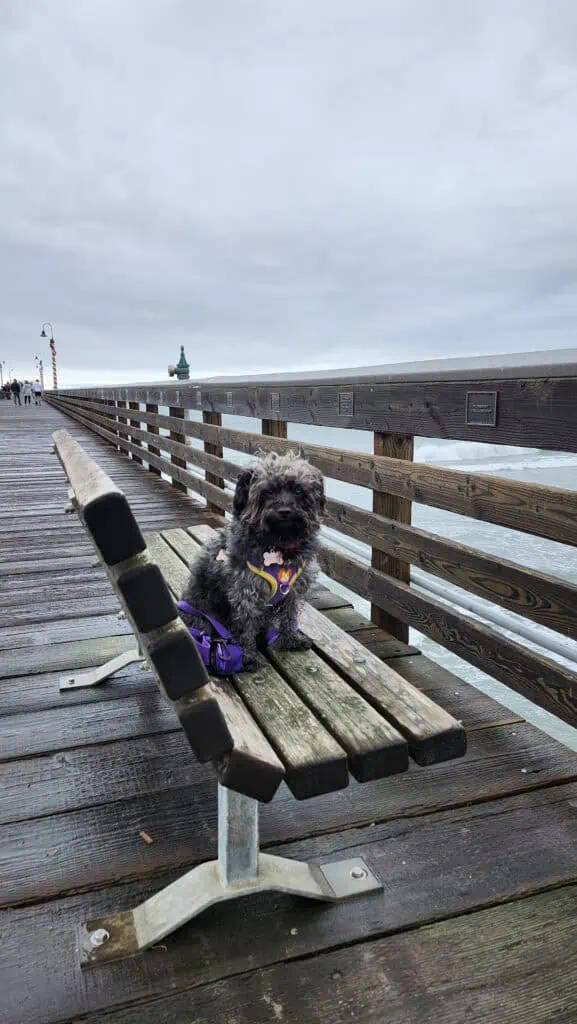
11. Find Dog-Friendly Activities at Your Destination
Your dog doesn’t want to sit in a hotel room all day and neither do you. With a little research ahead of time, you can find plenty of ways to include your pup in the fun once you arrive.
Start by looking up local parks, hiking trails, and waterfront areas that allow dogs. Many cities have scenic walking paths, historic districts, or urban trails where leashed dogs are welcome.
Even better, some places offer dog-friendly walking tours where you can learn about the local history while your dog gets some exercise.
I love GuruWalk. The walking tours are free. You just pay what you want in the form of a tip at the end.
If you’re visiting a beach town, check to see if there are designated dog beaches.
In mountain or rural areas, you’ll often find national forest land or less-trafficked nature trails that are dog-friendly (though always double-check leash rules and wildlife guidelines).
Farmers markets, outdoor festivals, and even some open-air museums allow well-behaved dogs.
Breweries and wineries are often pet-friendly too, especially those with patios or beer gardens. Just call ahead or check their websites to make sure.
The key is to build your itinerary around activities both you and your dog can enjoy. That way, you’re not constantly juggling schedules or cutting your day short to rush back to the hotel.
While we were on our epic road trip to Maine, we stopped in Boston. It was hot so leaving Shelby in the car was not an option.
I loaded her up in her backpack carrier and took her with me on a tour of the Old Stone Church without any problems.
I was even allowed to take her onboard the U.S.S. Constitution. To be fair, they weren’t thrilled about it and only grudgingly allowed it as long as she stayed in her carrier.
Wrap-Up: Planning a Road Trip With a Dog
Traveling with your dog can be one of the best parts of your journey. Yes, it takes extra planning. Yes, you’ll need to adjust your usual travel rhythm. But the payoff is worth it.
You’ll share new experiences. Explore places you might have otherwise missed. And at the end of the day, your dog isn’t just along for the ride. They’re part of the adventure.
