
5 Jaw-Dropping Views in U.S. National Parks
From alpine ridges to desert slickrock, U.S. national parks deliver views that stop people mid-sentence. Road trippers time arrivals for first light, families plan vacations around overlooks, and hikers chase angles that cameras never quite match. This short gallery spotlights five classic vistas across the country, with notes that help visitors pick the right season, time of day, and trail choice to see each scene at its best, even on a busy weekend.
1. Grand Canyon From Mather Point, Arizona
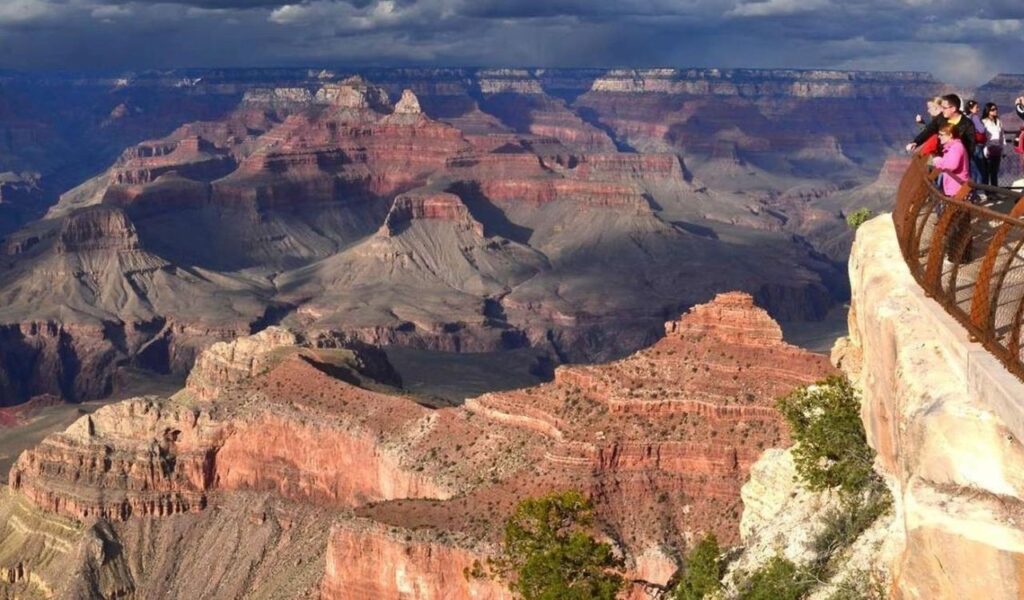
At Mather Point on the South Rim, the Grand Canyon drops away so abruptly that depth is hard to process. In places, the canyon reaches about a mile deep, and distant buttes make that scale feel even bigger. Across the chasm, stacked red and tan layers include Kaibab Limestone near the rim and older rock bands lower down, a readable cross-section for non-geologists. Sunrise brings cooler air and clearer color separation, while winter storms can leave a light snow cap that sharpens contrasts. Arriving early helps avoid the thickest crowds. Binoculars pick out side canyons and faint trail lines, too.
2. Yosemite Valley From Tunnel View, California
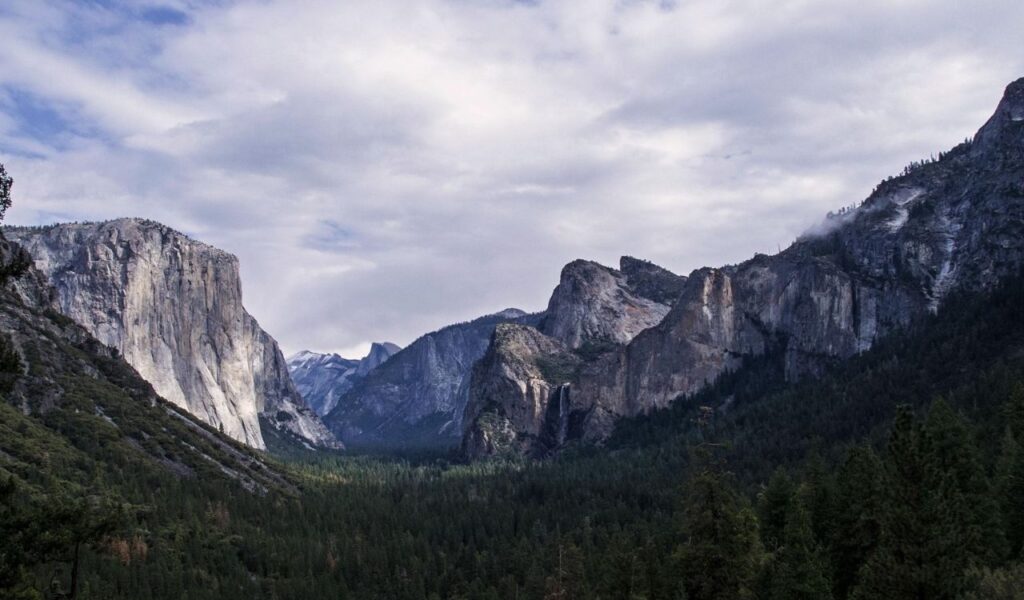
Tunnel View is Yosemite’s instant panorama: El Capitan on the left, Bridalveil Fall on the right, and Half Dome far back. The overlook sits just beyond the Wawona Tunnel, so the valley opens like a stage reveal. In late spring, Sierra snowmelt powers the falls at their strongest, and early light often reduces haze for crisp granite detail. September and October can bring drier air and less gridlock than midsummer. Parking is limited, so arrive early or near sunset. Smoke can mute the scene, so a clear forecast matters. Photographers favor a short lens here because the frame naturally balances cliffs, forest, and sky.
3. Old Faithful And The Upper Geyser Basin, Wyoming
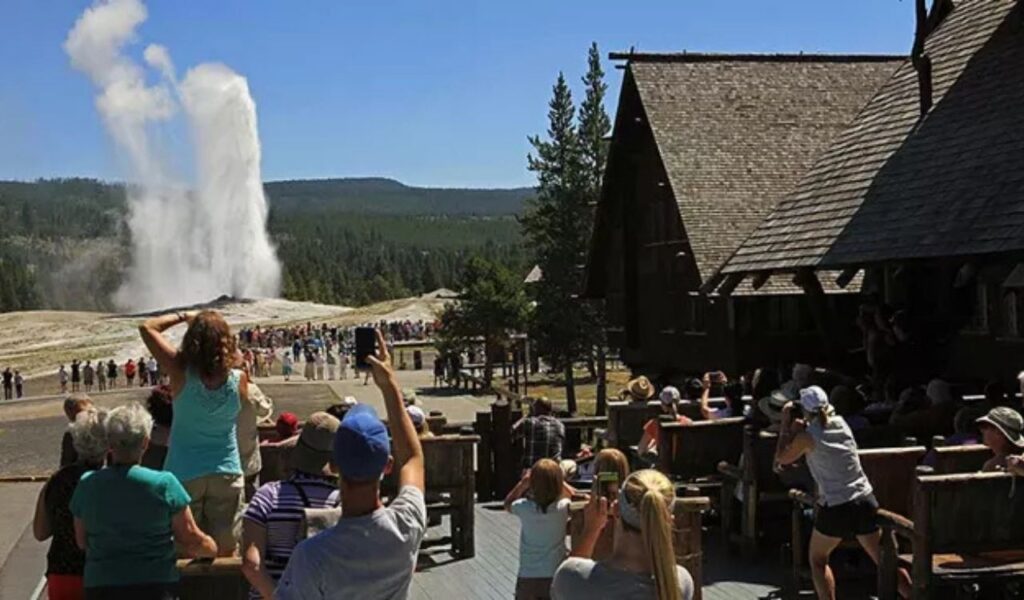
At Old Faithful, Yellowstone turns geology into a live show. The geyser often erupts every 60 to 110 minutes, so posted predictions help visitors time the wait. When the column surges, steam drifts over lodgepole pines and the boardwalk, and the roar carries across the basin. Afterward, follow Upper Geyser Basin boardwalk loops to pass hot springs, fumaroles, and smaller geysers within an easy walk. Stay on marked paths because thin crust can hide scalding water. A short climb to Observation Point adds a wider, top-down view. Evening eruptions can look dramatic as low sun backlights the spray and highlights drifting steam.
. Delicate Arch At Sunset, Utah
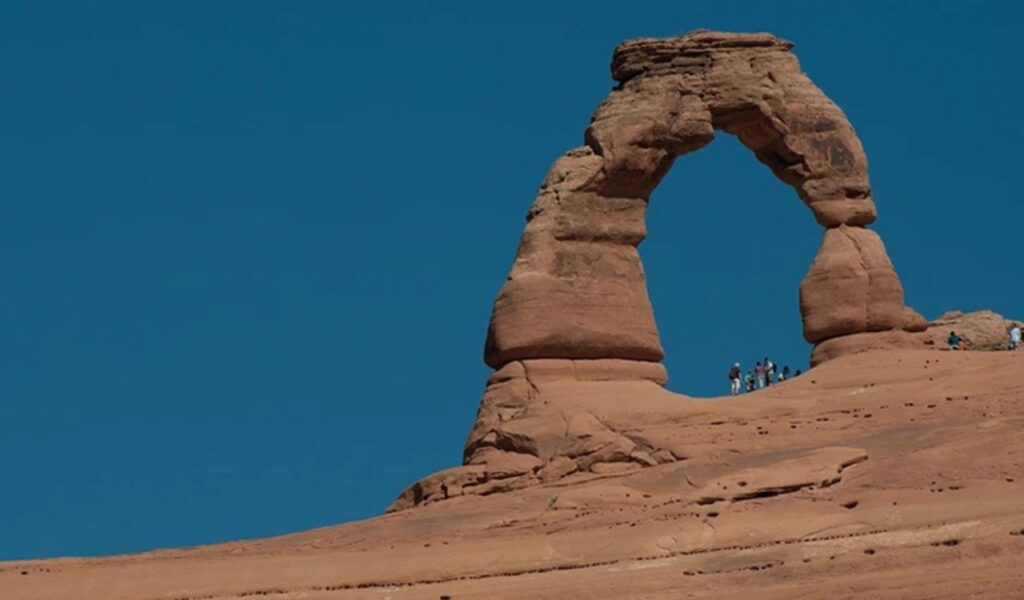
Delicate Arch is the image most people associate with Utah’s red rock country, and the real view earns the hype. The main trail is about three miles round trip, climbing slickrock that can feel steep in heat or wind. At the end, the arch appears alone on a sandstone fin, with the La Sal Mountains often visible beyond the opening. Sunset is popular because the stone shifts from pale tan to deep orange, but that also brings crowds. Carry water year-round, and consider late afternoon in cooler months for the same light with less stress. There is little shade on the route, so sturdy shoes help on smooth rock, especially after rain or frost.
5. Cadillac Mountain Sunrise, Maine
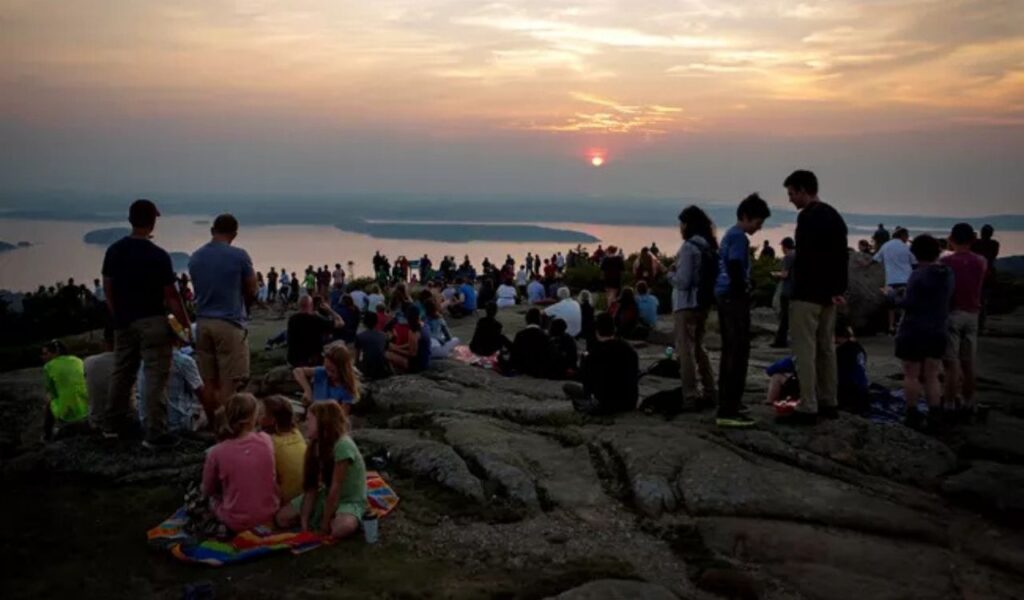
Cadillac Mountain in Acadia delivers a rare blend of mountain summit and Atlantic coastline in one sweep. From October into early March, it is among the first spots in the contiguous U.S. to catch sunrise, drawing visitors before dawn. As light spreads, Frenchman Bay, Bar Harbor, and scattered islands sharpen into view, and clouds over the water can turn pastel fast. Fall foliage adds extra color, while summer mornings stay cool thanks to ocean air. The summit is reached by road, but arriving early helps with parking and quiet. Winds can be strong, so gloves and a warm layer make the wait comfortable even on clear days.
