
The Ultimate Rocky Mountain Road Trip Guide
The Rocky Mountains offer an all-time American road trip: big elevation changes, fast weather swings, and scenic highways that link national parks with practical mountain towns. A solid plan matters because summer park entry systems, high-altitude driving, and long gaps between services can derail a schedule. This northbound route runs from Colorado to Montana, building from easier acclimation days to the highest drives, with clear stop choices and timing tips that keep the trip efficient and memorable.
1. Start Along Colorado’s Front Range Near Denver
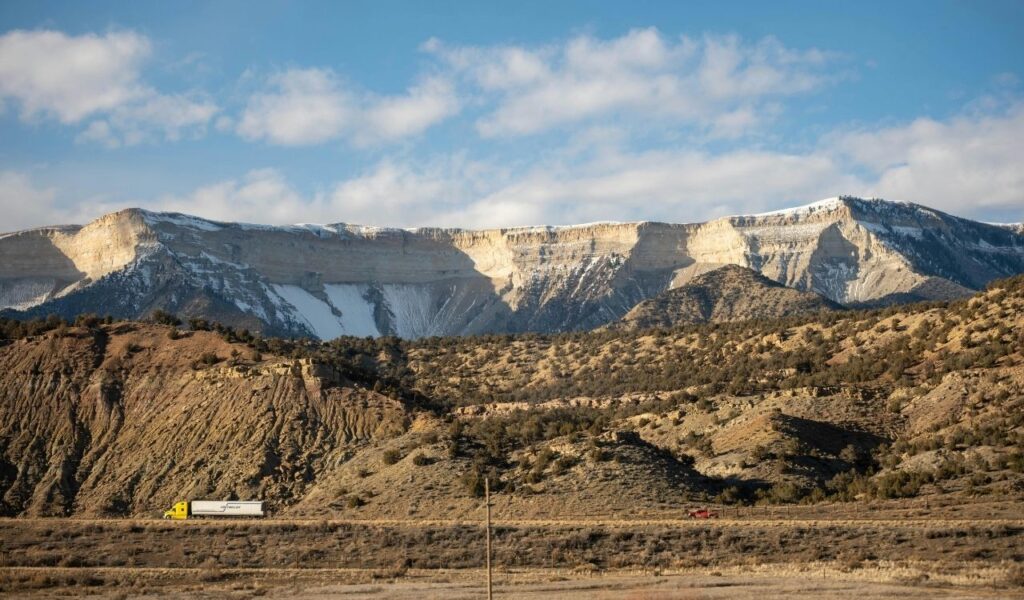
Most travelers start in Denver for flight options, rental inventory, and easy resupply. Head west on I-70 early to beat rush traffic over the Continental Divide. Expect steep grades and thin air near the Eisenhower Tunnel at about 11,000 feet, so keep speeds steady and use lower gears on descents to spare brakes. Plan a first overnight in Frisco, Dillon, or Glenwood Springs, where groceries, mechanics, and walkable dinners are close. Top off fuel before leaving the metro area, carry water for altitude headaches, and budget for paid parking in resort cores. Check COtrip.org for closures, traction rules, and summer work zones.
2. Cross Trail Ridge Road In Rocky Mountain National Park
Trail Ridge Road in Rocky Mountain National Park climbs above 12,000 feet and crosses alpine tundra that feels closer to Alaska than Colorado. The road usually opens fully by late May or June, but late snow or lightning can trigger short closures. In peak season, timed entry is often required, and weekend lines build quickly after midmorning. Drive it at sunrise, stop at the Alpine Visitor Center, and take a short walk for wide views without committing to a long hike. Base in Estes Park for easier starts, keep a safe distance from elk, and bring snacks because services are limited on the ridge.
3. Continue North To Grand Teton National Park And Jackson
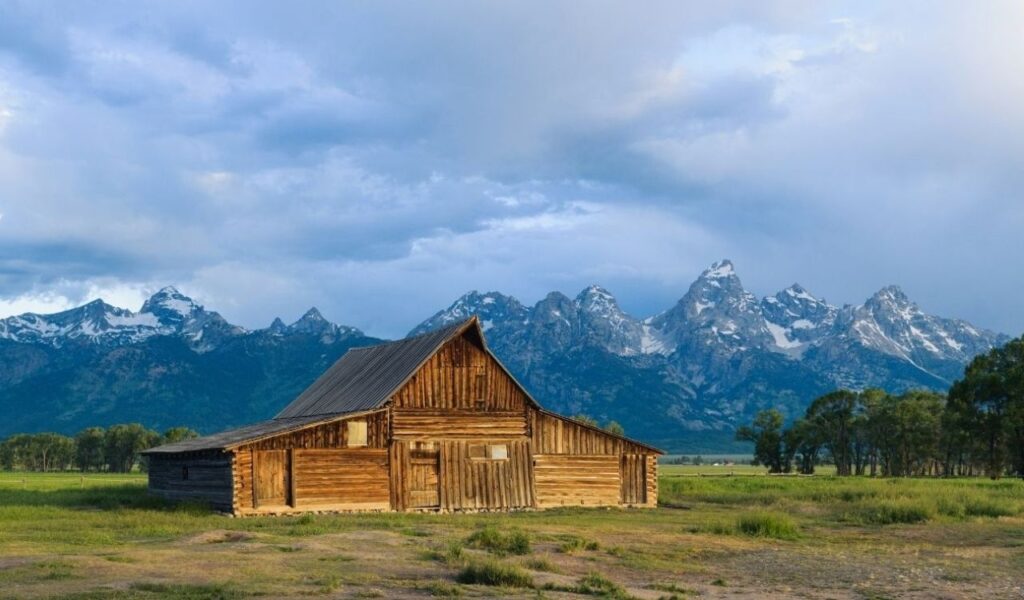
Grand Teton National Park works best with two nights in Jackson or nearby, so mornings start close to the peaks. Catch first light at Snake River Overlook, then drive the park road to Jenny Lake for trails that scale from a quick loop to longer climbs. The boat shuttle can save time if you want to visit Hidden Falls without extra miles. Moose often feed in willow flats around Oxbow Bend and the Moose Wilson area, so keep binoculars handy and stay in your vehicle if animals approach. Fuel up in town before entering the park, since pumps are scarce. In September, cooler air and shorter lines make hikes and lake parking far easier than midsummer.
4. Explore Yellowstone, Then Drive The Beartooth Highway
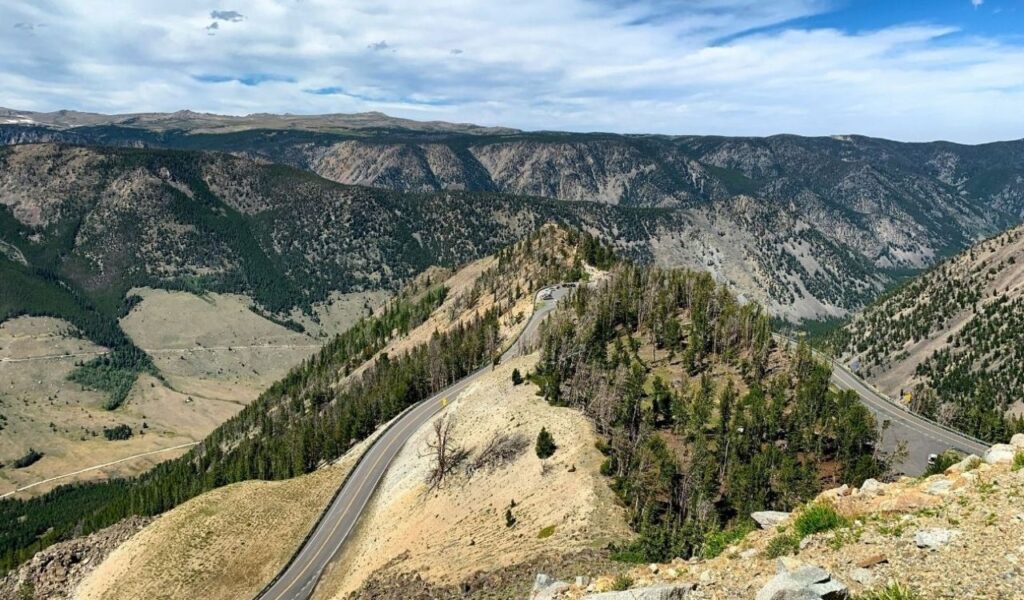
Yellowstone deserves at least two full days to cover a geyser basin, the Grand Canyon of the Yellowstone, and a wildlife drive in Lamar or Hayden Valley. Start early to park near Old Faithful and avoid peak midday crowds. Keep 25 yards from bison and elk and 100 yards from bears and wolves, and never stop in the roadway for photos. After the northeast exit, take the Beartooth Highway toward Red Lodge. The route climbs near 11,000 feet with sharp curves and wide pullouts for alpine lakes. Services are sparse once you leave the park, so fill up before the climb. Even in July, carry warm layers and plan for sudden fog or hail at the pass.
5. Finish At Glacier National Park on the Going-to-the-Sun Road
Glacier National Park is a strong finale because Going-to-the-Sun Road delivers big scenery in one continuous drive. The full road often opens in late June or early July after snow clearing, and peak summer may require a vehicle reservation for certain corridors. Aim for an early start to find parking at Logan Pass, then choose a short trail for views without a long commitment. Split lodging between West Glacier and St. Mary if possible to avoid backtracking. Pack rain gear and a warm layer, since mountain weather turns quickly. In late summer, check park updates for wildfire smoke and temporary closures.
