
6 Hidden Hiking Trails You Shouldn’t Miss (Tourists Almost Always Overlook Them)
Summer trailhead crowds in the U.S. can turn a hike into a wait: full parking lots, noise, and worn viewpoints. This list focuses on six routes that stay comparatively quiet because they sit in remote districts, require tide or water planning, or simply miss the usual tourist radar. Each trail still delivers a clear payoff: standout geology, ridge views, coastal wilderness, or high alpine scenery, with fewer bottlenecks than the famous nearby options.
1. Druid Arch Trail, Canyonlands National Park, Utah
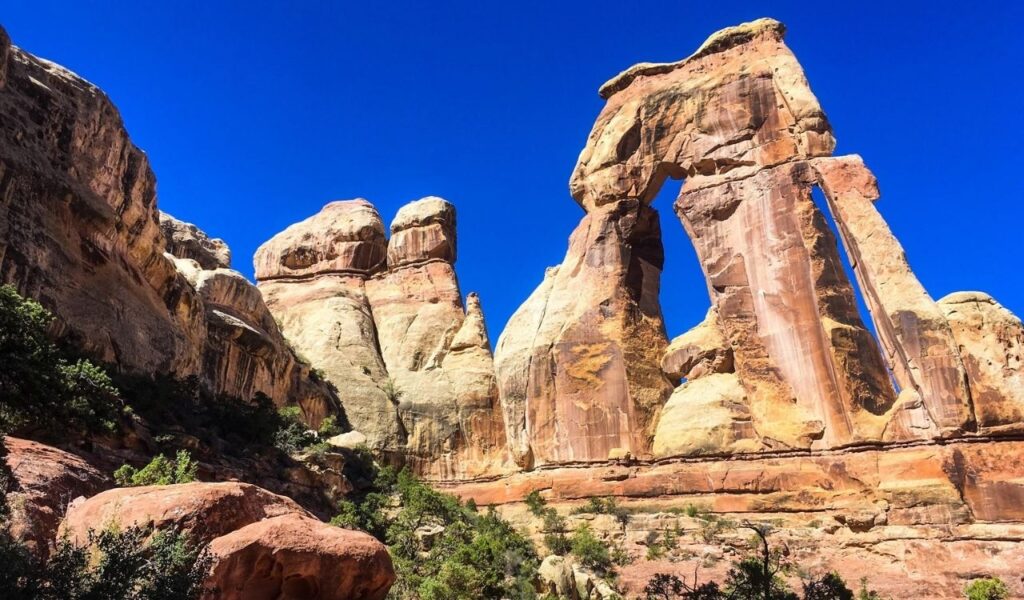
Druid Arch sits in Canyonlands’ Needles District, a part of the park many visitors skip in favor of Island in the Sky overlooks. The hike is about 11 miles round trip and includes sandy washes, slickrock shelves, and short ladder sections in narrow breaks, so it rewards steady footing and an early start. Summer sun is intense, and shade is limited, making water planning essential. Navigation stays straightforward on the main route, but the terrain slows the pace. The payoff is a massive arch backed by clustered spires, reached with far fewer people than the park’s popular roadside viewpoints in dry weather.
2. Bull Pen Ranch / West Clear Creek Trail, Coconino National Forest, Arizona
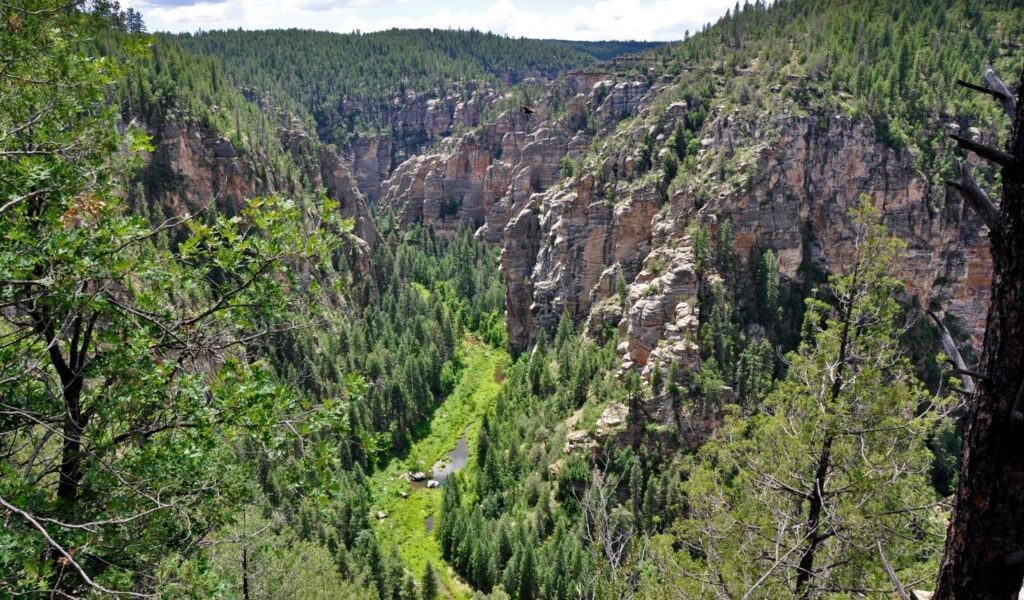
West Clear Creek Canyon near Bull Pen Ranch offers a water-focused hike in Coconino National Forest that avoids the crowds common on Sedona’s signature routes. The trail follows the creek through a limestone canyon with repeated crossings, small cascades, and deep pools that can be swimmable in hot weather. Expect wet feet and bring footwear that handles slick rock. Conditions change after storms, so check closures and flash-flood forecasts before committing to the canyon. Because access involves a quieter forest road and the area lacks big-name marketing, many tourists never add it to their itinerary, even though the scenery stays strong.
3. North Fork Mountain Trail, Monongahela National Forest, West Virginia
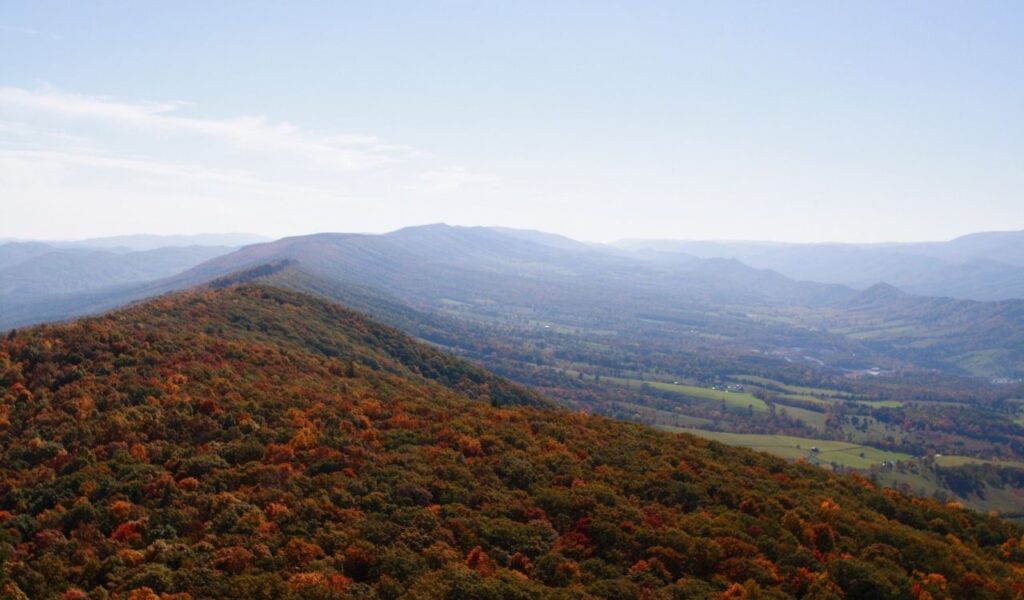
North Fork Mountain Trail runs along a sandstone ridge in Monongahela National Forest, delivering repeated overlooks above the Potomac Highlands. Many hikers tackle a shorter out-and-back to Chimney Top, but the broader route extends for miles with cliff-edge views, open ledges, and wind exposure. Water can be scarce on the ridge, so carry enough for the distance and heat. The trail stays quieter than better-known Appalachian destinations because it sits in national forest land and requires shuttle or point-to-point planning for full-day traverses. In October, the ridge becomes a foliage walk, yet the linear layout keeps groups dispersed.
4. Lost Coast Trail, King Range National Conservation Area, California
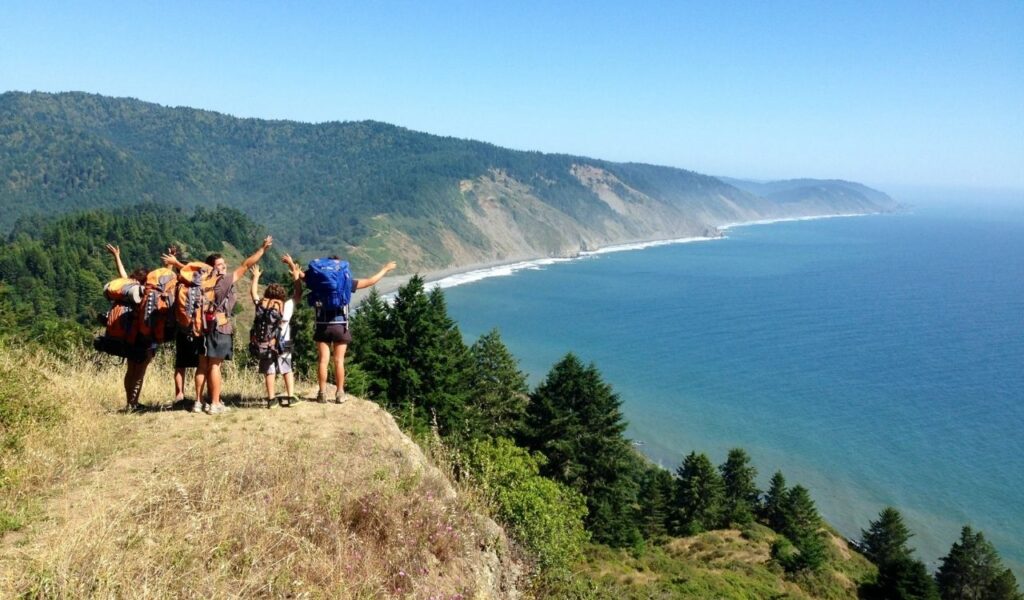
California’s Lost Coast Trail in the King Range is missed by many Highway 1 travelers because it is remote, permit-managed for overnight trips, and tide-dependent. Backpackers must time sections of beach travel to low tide, since surf can block passage at high water. The route combines black sand beaches, sea stacks, and steep coastal mountains that drop straight to the Pacific, with limited cell service and few quick exits. Footing varies from cobbles to soft sand, so mileage feels slower than it looks on a map. The required planning filters out casual tourism, creating a coastal experience where space and quiet are realistic.
5. Ice Lakes Basin Upper Route, San Juan Mountains, Colorado
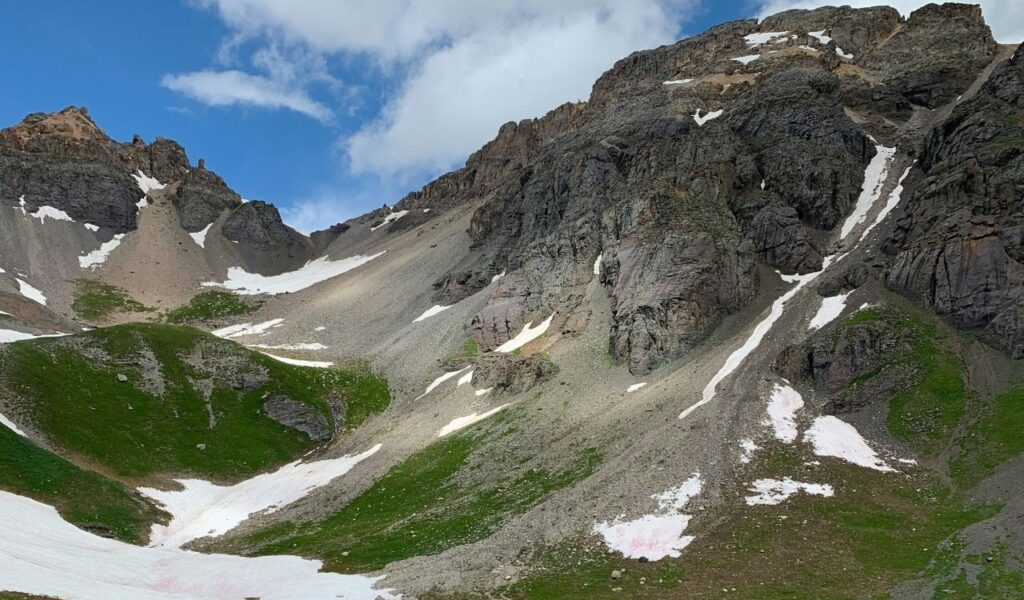
Ice Lakes Basin near Silverton is known for bright turquoise water, yet many day hikers stop at the first lake or a single viewpoint. Continuing into the upper basin pushes above 12,000 feet, where thinner air and steeper grades reduce congestion. The route crosses open tundra, talus, and occasional snow patches in cooler years, so layers and stable traction help. Peak wildflower season often lands mid to late July, and afternoon thunderstorms are common in Colorado’s high country, making early starts smart. By adding the upper basin miles, hikers trade the busiest stretch for wider alpine terrain, bigger views, and noticeably fewer voices.
6. Dome Trail, Great Basin National Park, Nevada
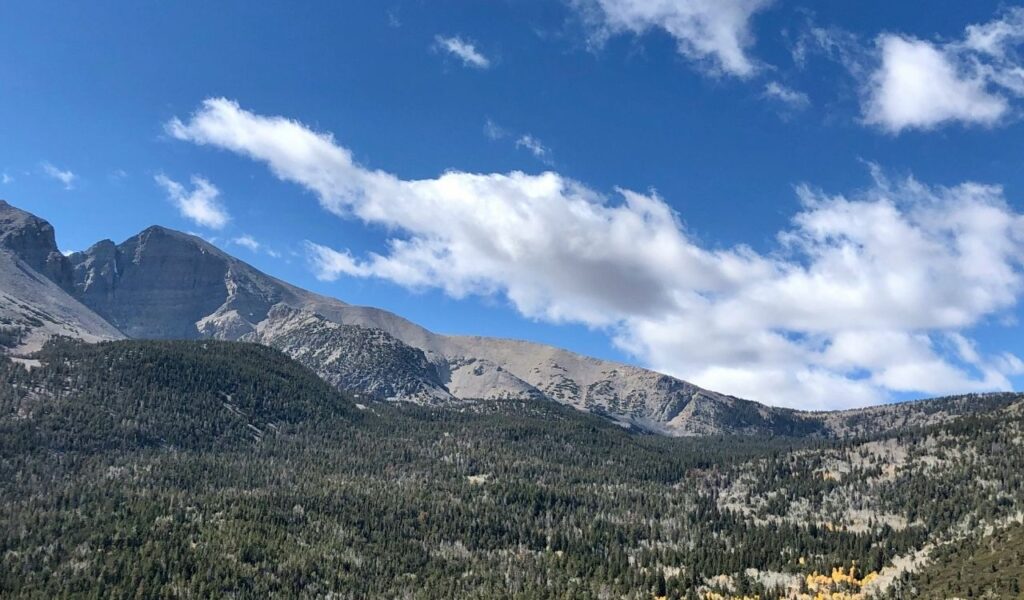
Great Basin National Park sees relatively low visitation compared with many U.S. parks, and the Dome Trail often stays quieter than the marquee trails at Wheeler Peak. This loop travels through pinyon pine and juniper, then climbs into open viewpoints over Basin and Range country, where long sightlines make weather shifts easy to read. The dry climate and elevation can dehydrate hikers quickly, so water, sun protection, and steady pacing matter in summer. Services are limited, so self-sufficiency helps. Because the park sits far from major population centers, many travelers pass by, leaving this trail calm even in peak season.
