
8 Warning Signs of Pancreatic Cancer That Often Go Unnoticed
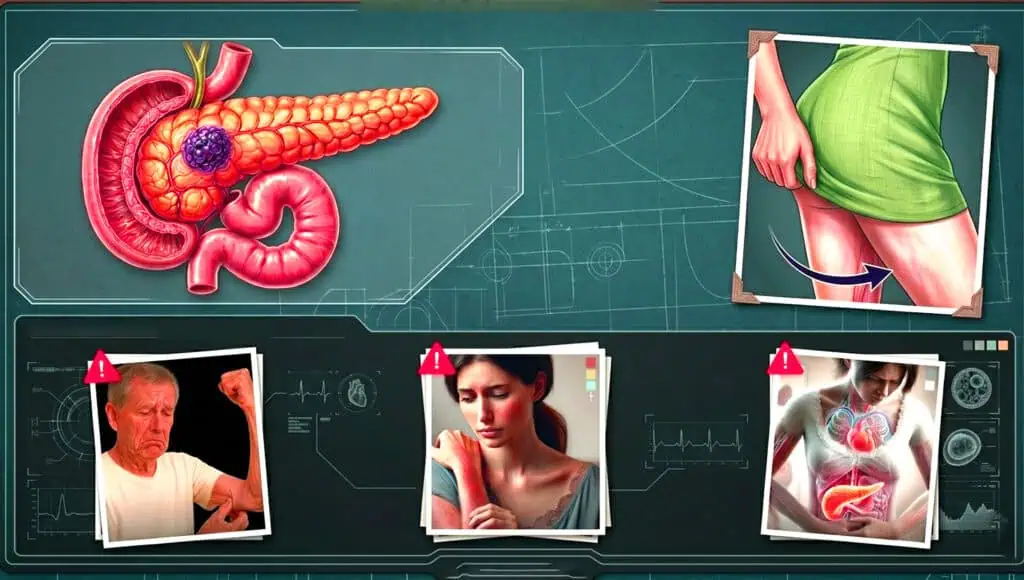
8 Warning Signs of Pancreatic Cancer That Often Go Unnoticed
One of the most difficult things about pancreatic cancer is how quietly it can develop. Unlike other illnesses that cause noticeable discomfort early, this one often stays hidden. People may feel fine for months, sometimes even longer. Then, when symptoms finally appear, the disease may already be advanced, which is why awareness is so important.
This is what makes awareness so important. Small, seemingly harmless changes in your body can sometimes be early warning signs. They may not always mean cancer, of course, but ignoring them completely can delay diagnosis and treatment.
Below are eight signs that experts say should never be ignored. Some may seem minor at first, but when they appear together or persist, they deserve attention.

1. Unexplained Weight Loss
Losing weight without trying might sound appealing to some people, but when it happens suddenly or without any lifestyle changes, it can be a red flag.
Some people start losing weight without really trying, even though they’re eating the same as always. This can happen because the pancreas helps the body break down and absorb nutrients. When it isn’t working properly, the body may not get what it needs from food, which can slowly lead to weight loss.

Others may experience a drop in appetite. Food that used to feel normal can start to seem heavy, and hunger may not come as often. With time, this can contribute to steady weight loss.
It’s easy to dismiss this as stress or just being busy, but if the weight keeps dropping without any clear reason, it’s worth getting checked by a doctor.
2. Persistent Abdominal or Back Pain

Pain in the upper abdomen that spreads to the back is another symptom people often don’t notice right away. It can start off mild, coming and going. Many describe it more as a dull ache than anything sharp.
The pancreas is located deep in the abdomen near the spine. If a tumor develops, it can put pressure on surrounding nerves, which can lead to pain that travels toward the back.
Most people think it’s just bad posture or a small muscle problem. But if it keeps going on or gets worse after eating or lying down, it’s something you shouldn’t ignore.
3. Yellowing of Skin and Eyes
One of the more noticeable signs is jaundice, which makes the skin and the whites of the eyes turn yellow. This happens when bile builds up in the blood.
When pancreatic cancer blocks the bile duct, bile can’t flow the way it normally should. This can lead to a gradual yellowing of the skin and eyes.
Other signs can include dark urine, pale stools, and itchy skin. On their own, these changes might not seem connected, but together they can point to something more serious. Even then, it’s important not to put it off if you notice these changes.
4. Digestive Problems
Digestive troubles are very common and usually harmless, which is why this symptom is often overlooked. But if you have persistent problems like bloating, nausea, or indigestion, it could mean something more serious.
The pancreas produces enzymes that help the body break down food. When these enzymes aren’t released properly, digestion can become harder. Some people feel full very quickly, while others may notice discomfort after eating.
5. Diabetes that comes on suddenly
The pancreas makes insulin, which keeps blood sugar levels stable. Some people are diagnosed with diabetes out of the blue, even if they’ve never had any risk factors before. Others just notice their blood sugar isn’t as easy to control as it used to be. Pancreatic cancer can get in the way of this procedure when it happens.
Some people are diagnosed with diabetes unexpectedly, especially if they have no previous history or risk factors. Others may notice their blood sugar levels becoming harder to control.
6. Tiredness That Doesn’t Go Away
It’s normal to feel exhausted after a long day. But if you’re always tired and resting doesn’t help, it could mean something is amiss.
People with pancreatic cancer typically say they feel tired all the time, even after obtaining enough sleep. You can start to feel more tired than usual as you do everyday things.
This type of tiredness can build up over time. People can think it’s stress, not getting enough sleep, or being too busy. But if the exhaustion lasts for weeks and gets in the way of daily living, it’s worth looking into. Sometimes, weariness comes with additional symptoms, which makes it simpler to see how they are related.
7. Changes in urine and stool
Changes in your urine and faeces are commonly ignored, although they can be very helpful.
If your faeces are pale or greasy, it could mean that your digestion isn’t working right. When bile builds up in the blood, it can make urine dark. These changes could come slowly, so you might not notice them.
Some people also find that their poop floats or smells bad. There are various reasons why these symptoms could happen, but if they last for a long time, you should go to a doctor. Paying attention to these little things can help you find problems sooner.
This can contribute to weight loss and weakness. Because appetite changes are often subtle, they may not raise concern immediately. When you stop eating for weeks, especially if you have other symptoms, you should see a doctor.
This can happen because pancreatic cancer affects digestion and metabolism. The body may respond by reducing hunger signals.
This can lead to weight loss and a general feeling of weakness. Since appetite changes are often subtle, they don’t always raise concern right away. But if you’ve been eating less for weeks, especially along with other symptoms, it’s important to see a doctor.
Why These Symptoms Are Often Not Seen
One of the worst things about pancreatic cancer is that a lot of these symptoms are also seen in other diseases. People sometimes have indigestion, back discomfort, weariness, and changes in weight.
Because of this, many individuals delay seeking help. They may assume the symptoms will pass or blame them on stress, diet, or aging.
This does not mean every symptom indicates cancer. Most of the time, there is a less serious explanation. Still, persistent or unusual changes should never be ignored.
Why it’s important to pay attention to your body
When anything is wrong, your body often sends you indications. At first, these signals may not be very clear, but they might get clearer over time.
It’s best to be checked out if you notice more than one of these symptoms or if something just doesn’t seem right. Finding out about a disease early can make a big difference in the treatment options and outcomes.
Doctors often say that being aware doesn’t mean being scared. It has to do with paying attention and being aware.
Last Thoughts
At first, these signs may not appear very important or relevant. Sometimes, being tired, having mild back discomfort, or having difficulties digesting food doesn’t seem like a big deal. But if these indicators keep happening or happen at the same time, they could mean something else.
