
10 Things You Need to Know Before You Hit the Airport Amid the Ongoing TSA Crisis
Air travel in the United States has become less predictable as TSA checkpoints face staffing strain, longer lines at some airports, and changing conditions from one terminal to the next. Travelers can no longer rely on the old habit of arriving at the usual time and expecting a routine trip through security.
Current TSA rules still apply, but the margin for error is smaller when checkpoints are under pressure. A short delay at bag drop, ID check, or secondary screening can now affect the rest of your journey more quickly than many passengers expect.
Before heading to the airport, it helps to know which rules matter most, what can slow you down, and which practical steps can lower the chances of a stressful start to your trip.
1. Screening Times May Be Less Predictable Than Usual
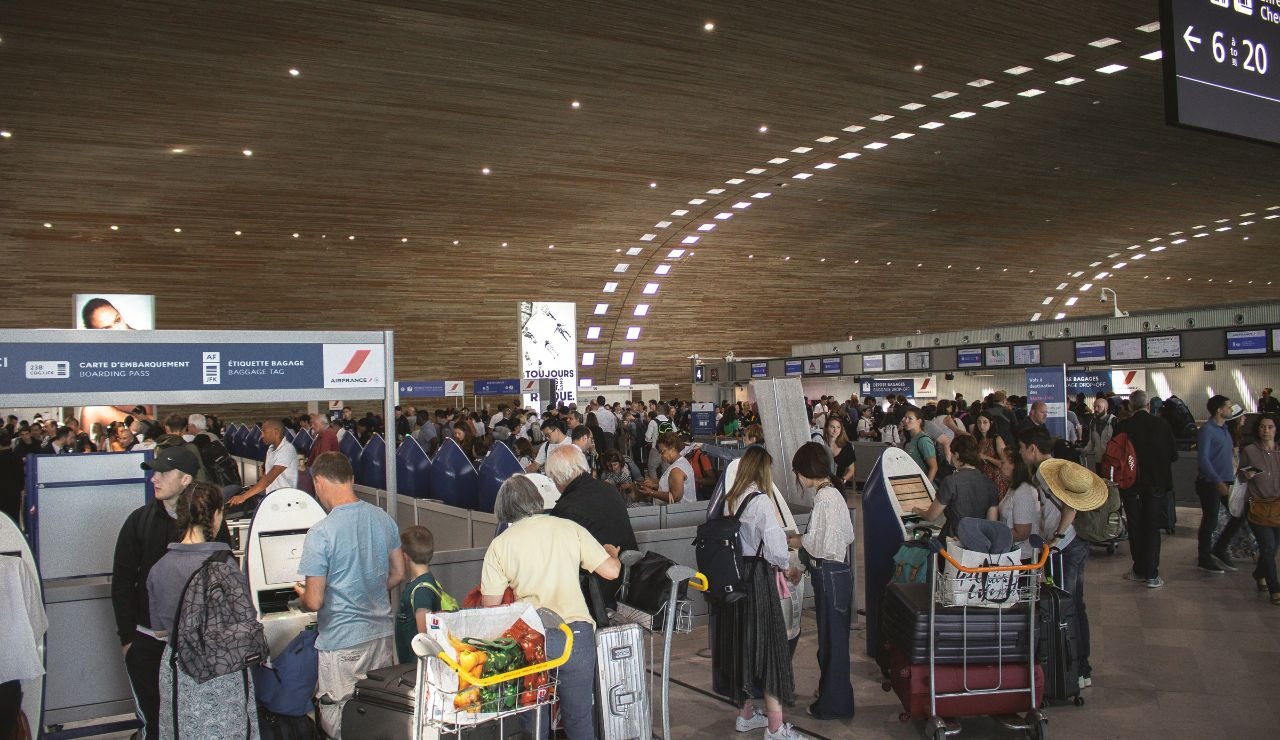
The first thing to understand is that screening times can now vary more sharply than many travelers expect. Recent reports have described unusually long waits at some U.S. airports as staffing problems and spring travel demand hit the system at the same time. That does not mean every airport is facing the same level of disruption, but it does mean the normal pattern is less reliable.
A line that looks manageable at one hour can grow quickly if lane staffing changes or passenger volume rises. Early morning departures, holiday periods, and large hub airports can be especially unpredictable.
The safest approach is to assume your airport may be slower than usual and build your plan around that possibility rather than around best-case timing.
2. Checking Airport Conditions Before Leaving Home Matters More Now

Checking airport conditions before leaving home is now a practical step, not an optional habit. TSA’s MyTSA tools and airport updates can give travelers a rough sense of expected screening demand, busy periods, and general checkpoint conditions. These tools are not perfect in a fast-changing situation, but they can still help you avoid walking into the terminal with no idea what to expect.
A quick check before you leave can help you decide whether you need to depart earlier, move faster through check-in, or prepare for a longer wait than normal.
When airport conditions are shifting, even a few minutes of planning at home can make the rest of the trip easier to manage.
3. Your Identification Can Delay You More Than You Think
Identification issues can cause major delays, especially when checkpoints are already moving slowly. TSA’s REAL ID requirements are now in effect for most domestic adult travelers, so it is important to carry a compliant driver’s license or another accepted form of identification, such as a passport. Travelers who arrive without acceptable ID may face added verification steps and extra processing time.
That is the kind of problem that becomes much more frustrating when lines are long and screening officers are under pressure. A simple document mistake can create a much larger delay than expected.
Before leaving for the airport, keep your ID somewhere easy to reach and double-check that it is the one you actually need for the trip.
4. TSA PreCheck Still Helps, but It Is Not a Guarantee
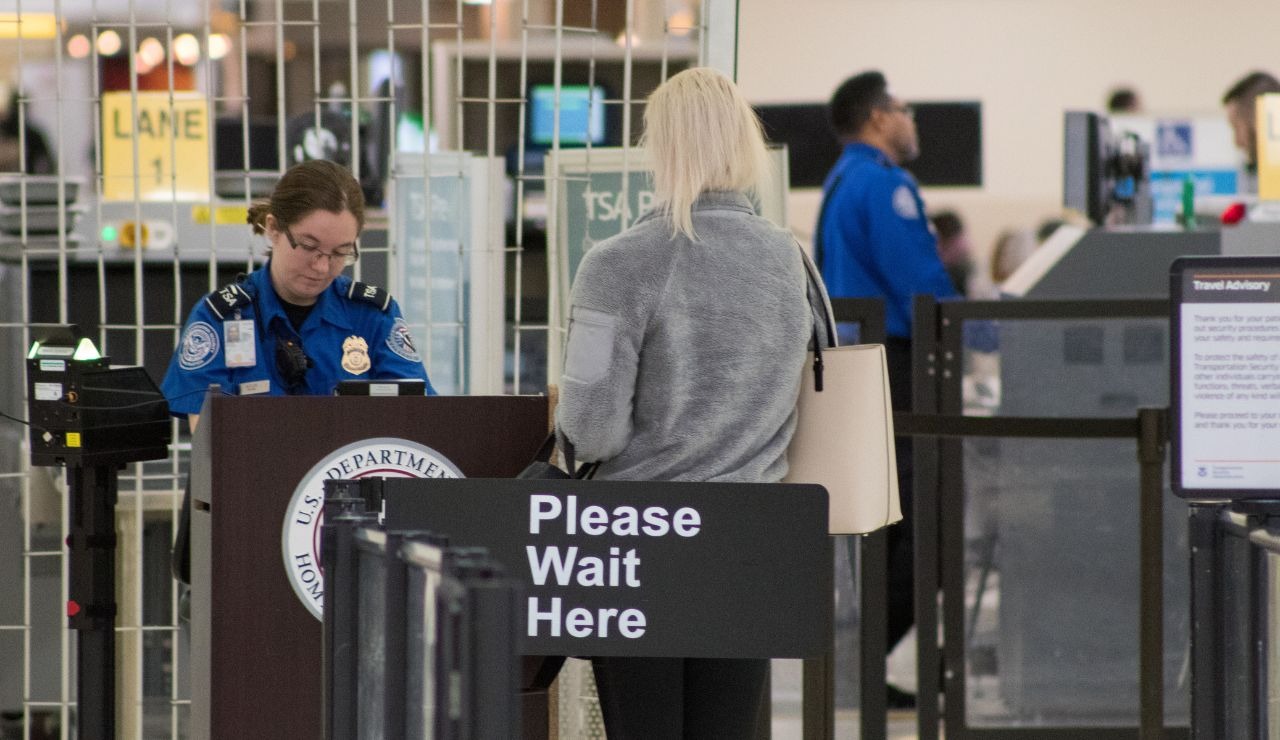
TSA PreCheck can still save time, but it should not be treated like a guarantee during a period of disruption. The program usually offers faster screening and shorter waits, yet conditions can still vary by airport, time of day, and staffing levels. Travelers with PreCheck may move more easily than those in standard lanes, but they are not completely insulated from broader airport slowdowns.
That matters because some passengers assume PreCheck allows them to keep the same tight timing they used in calmer travel periods. Right now, that is not always a safe assumption.
PreCheck remains helpful, but it works best as an extra layer of protection rather than as a reason to cut your arrival time too close.
5. How You Pack Your Carry-On Can Affect Screening Speed
How you pack your carry-on can make a noticeable difference when security lines are already under strain. Liquids, gels, and aerosols still need to follow the usual carry-on limits, and electronics may need to be removed depending on the screening lane and airport setup. Bags that are disorganized or packed without screening in mind are more likely to trigger a manual check.
That slows you down and can also slow everyone behind you. Small delays add up quickly when officers are processing large volumes of passengers.
It helps to place key items where they are easy to reach, empty your pockets before you get to the belt, and avoid packing anything that is likely to create confusion at inspection.
6. The Liquids Rule Still Applies in Full

The 3-1-1 liquids rule still matters, even during a period of heavy delays. Most carry-on liquids, aerosols, gels, creams, and pastes must be in containers of 3.4 ounces or less and fit inside one quart-size bag. Travelers sometimes assume screening staff will be more relaxed when checkpoints are busy, but crowded conditions usually make rule enforcement more important, not less.
Oversized toiletries or poorly packed liquids can lead to a bag search, item disposal, and extra waiting time. None of that is helpful when the line is already moving slowly.
Sorting your liquids before airport day is one of the simplest ways to reduce the chance of an avoidable delay at the checkpoint.
7. Battery Rules Can Still Cause Last-Minute Problems
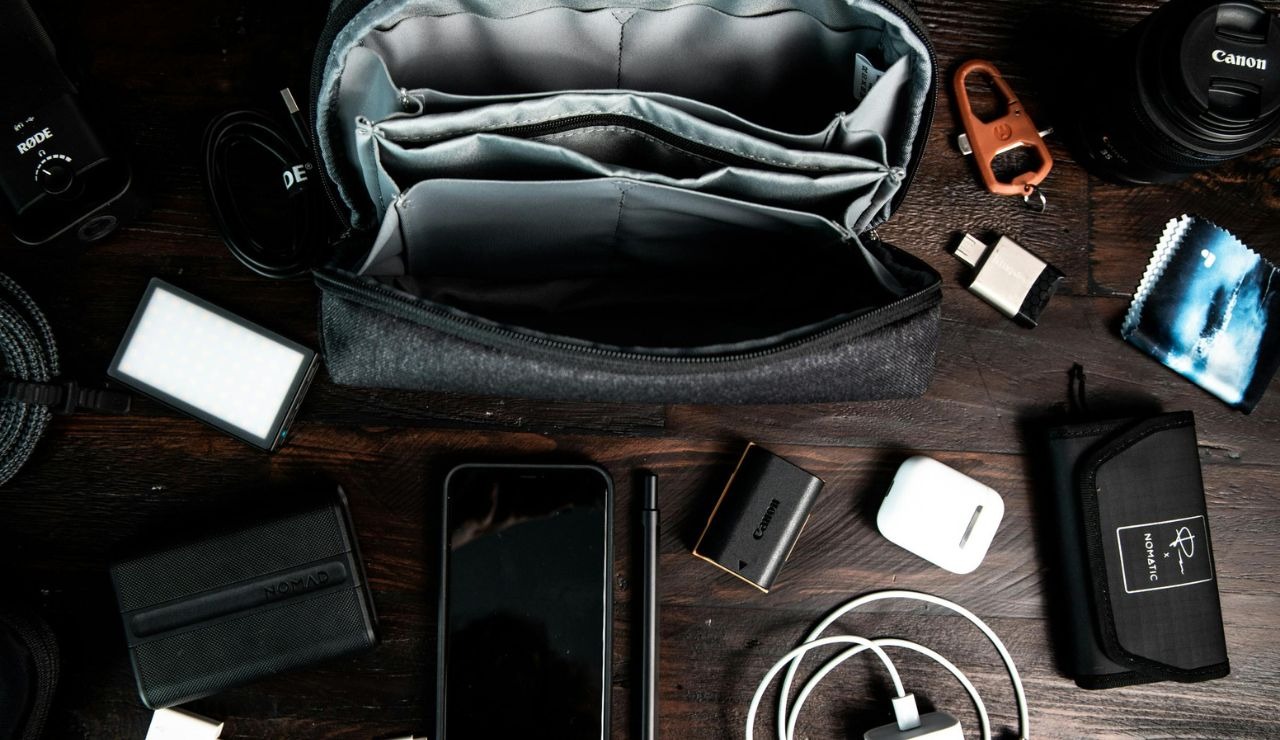
Battery rules are another detail worth checking before you leave home. Spare lithium batteries and power banks are not supposed to go in checked baggage, which means a packing mistake can create problems when your bag is screened. Many travelers overlook this because chargers and battery packs feel like ordinary travel items, but the rules around them are taken seriously.
If security has to stop your bag over a battery issue, you can lose valuable time while the item is located, reviewed, or removed. That is an unnecessary problem on a day when everything is already running tighter than usual.
A quick check of your electronics and power accessories before leaving home can prevent a surprisingly disruptive hold-up.
8. Special Assistance Should Be Arranged Before You Arrive
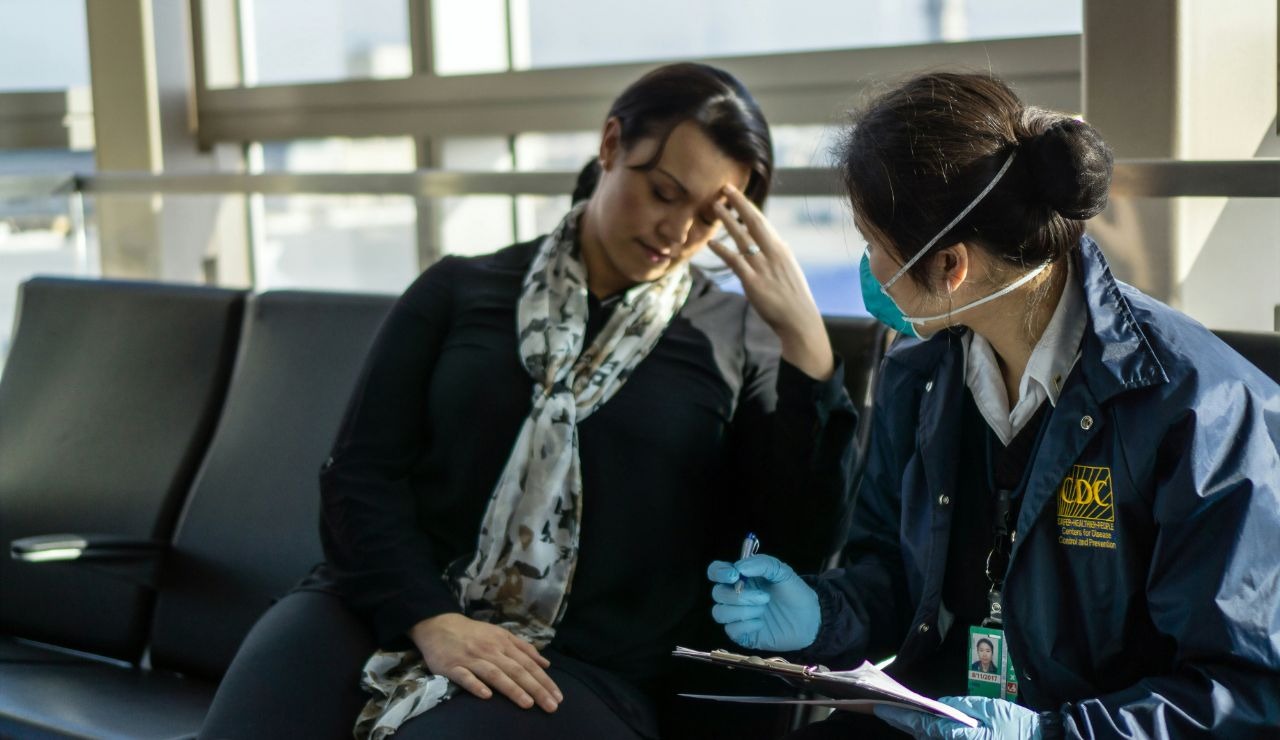
Travelers who need extra screening support should plan that support before they reach the airport. TSA Cares is available for passengers with disabilities, medical conditions, or other circumstances that may require assistance at the checkpoint. In a stressed airport environment, arranging help in advance is often more useful than trying to explain everything once you are already in line.
Advance notice can reduce confusion and make the screening process more manageable for both the passenger and security staff. It can also lower the chance of a long, uncomfortable wait while questions are sorted out at the checkpoint.
When travel conditions are uneven, preparation is one of the best ways to make the process smoother and more predictable.
9. Formula and Medical Liquids Follow Different Screening Rules
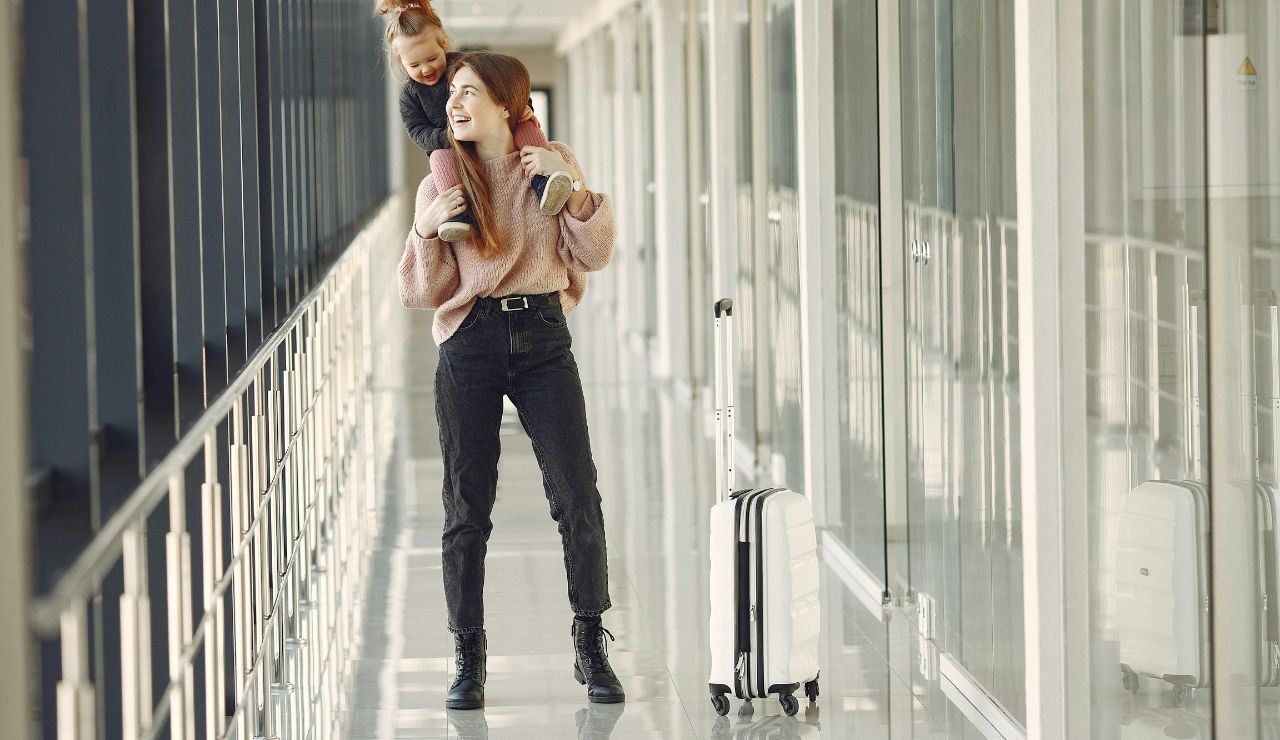
Families traveling with baby formula, breast milk, juice, or medically necessary liquids should remember that these items follow different rules from standard carry-on liquids. They are generally allowed in quantities greater than the normal 3.4-ounce limit, but they must still be declared for inspection and may receive additional screening. That makes organization especially important before you join the line.
If these items are buried in a crowded bag, the screening process can become slower and more stressful than it needs to be. Clear packing can help officers inspect them more efficiently.
Separating these supplies in advance and telling the officer about them early can make family or medical travel easier to handle at screening.
10. The Best Protection Right Now Is Extra Time
The most reliable way to protect your trip right now is to build in more time than you used to. A slower checkpoint, a document problem, an unexpected bag check, or a crowded terminal can all stack together and affect whether you make your flight comfortably. Arriving early does not remove every risk, but it gives you more room to absorb delays without turning the start of the trip into a scramble.
That extra time matters even more if you are checking bags, traveling with children, or departing from a large airport during a busy window. Each added step increases your exposure to delay.
In the current TSA environment, extra time is not about being overly cautious. It is simply one of the few parts of air travel you can still control.
