
The 10 most popular Destinations with the Highest Tourist Death Rates
Travel is often seen as a safe and exciting escape, but the reality is that some of the world’s most beautiful destinations also come with serious risks. From extreme weather and dangerous terrain to water hazards and high-risk activities, certain places consistently report higher numbers of tourist deaths. In many cases, these risks aren’t due to crime but accidents, environmental conditions, and lack of preparedness.
Studies show that most tourist deaths are caused by injuries like road accidents, drowning, and falls, rather than unusual events . With that in mind, here are ten popular destinations where tourist fatalities are notably higher, and why.
1. Mount Everest, Nepal
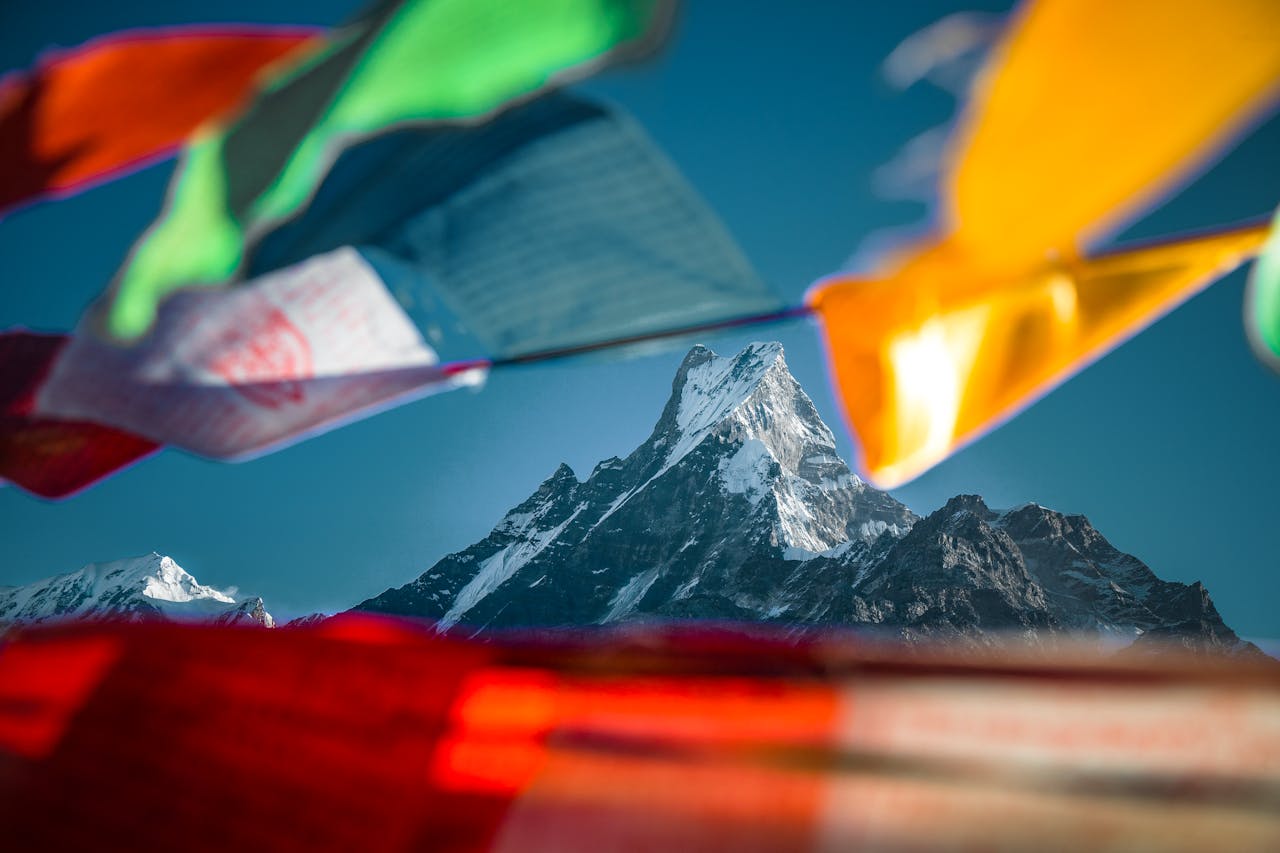
Mount Everest is one of the most famous travel destinations in the world, but it’s also among the deadliest. Climbers face extreme altitude, low oxygen levels, avalanches, and sudden weather changes. Even experienced mountaineers can struggle with altitude sickness, which can quickly become fatal. The physical and mental demands of reaching the summit are enormous, and rescue missions are often difficult. Despite modern equipment, fatalities still occur every year, making Everest a symbol of both ambition and danger.
2. Mont Blanc, France/Italy
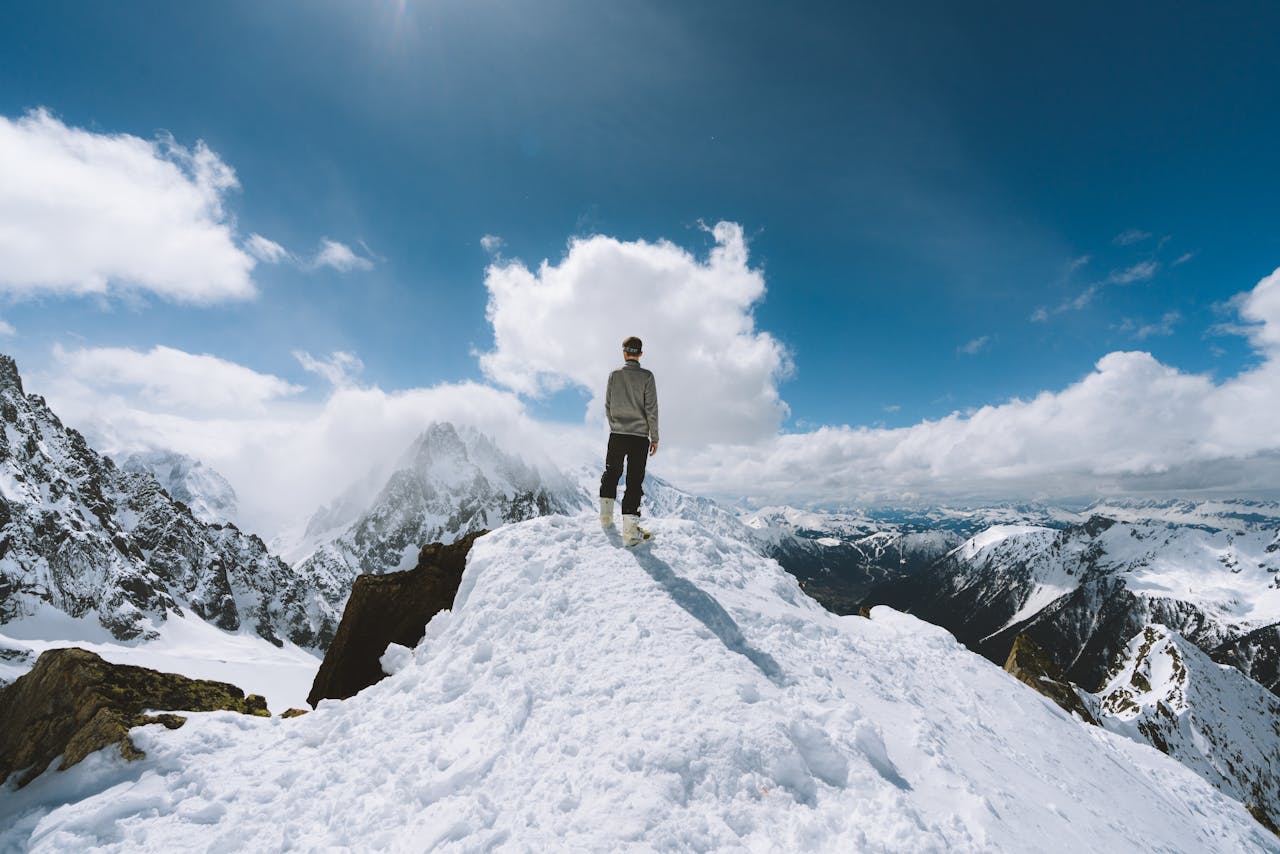
Mont Blanc attracts thousands of climbers annually, but it has one of the highest death rates per visitor of any tourist destination. Falls, avalanches, and sudden weather shifts are common hazards in the Alps. Reports suggest that dozens of climbers die each year attempting to reach the summit. Many accidents involve inexperienced hikers underestimating the mountain’s difficulty. Even well-prepared climbers face risks due to unstable terrain and changing conditions, making Mont Blanc deceptively dangerous.
3. Death Valley, USA
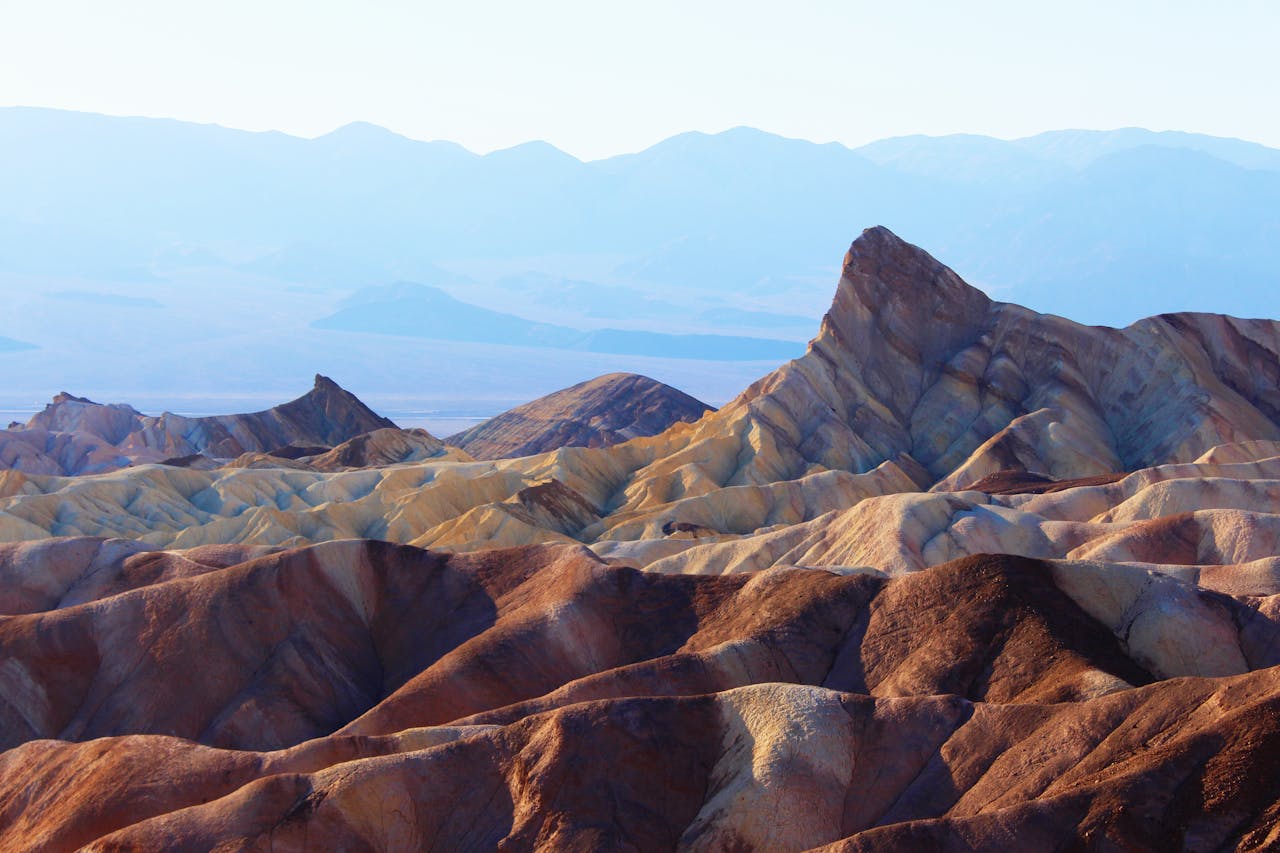
Death Valley is famous for its extreme heat, with summer temperatures soaring above 50°C (122°F). Tourists often underestimate how quickly dehydration and heatstroke can set in. Every year, visitors require rescue, or worse, after venturing out without enough water or proper planning. The vast desert landscape also makes it easy to get lost or stranded. While it’s a popular national park, its harsh environment makes it one of the most unforgiving destinations on Earth .
4. Rocky Mountain National Parks, Canada
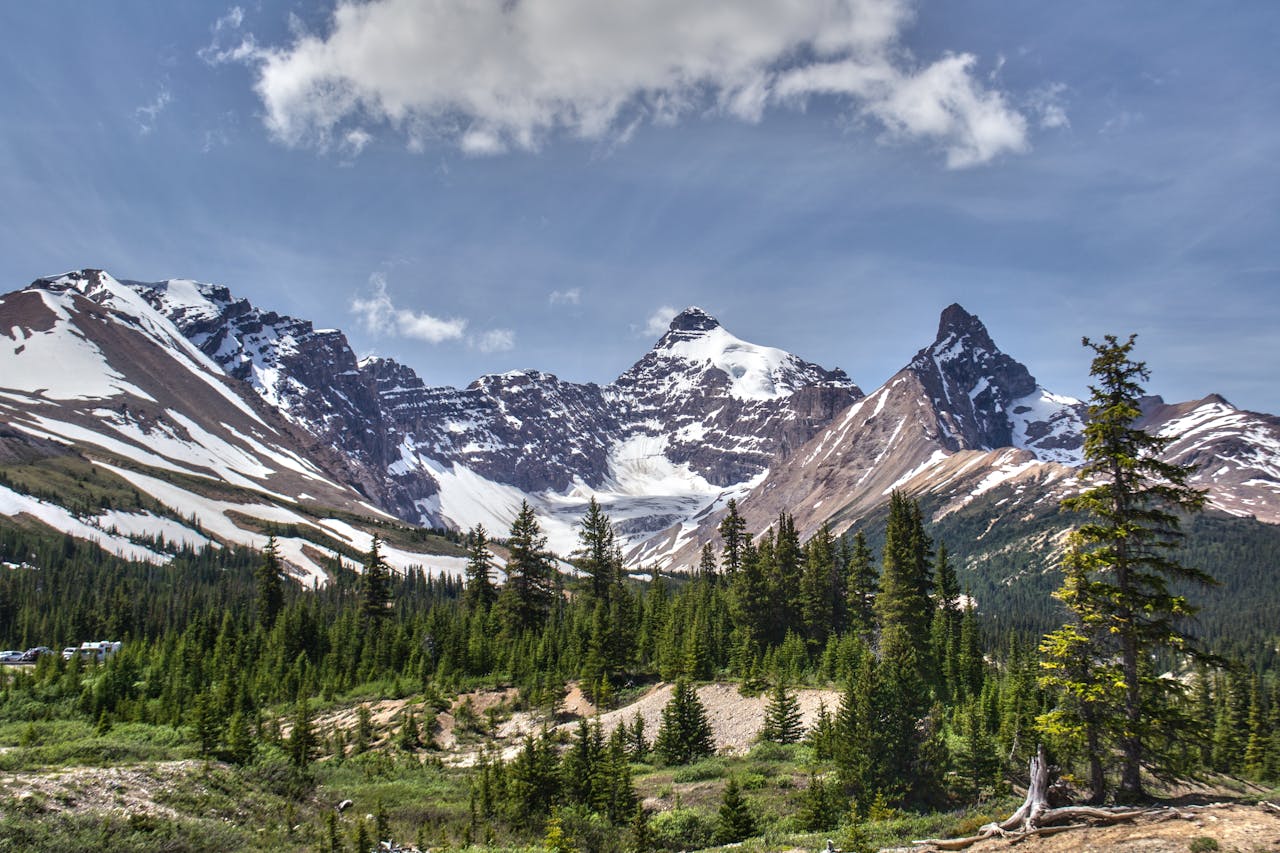
Canada’s mountain parks, including Banff and Jasper, draw millions of visitors each year. However, the combination of rugged terrain, wildlife, and unpredictable weather creates serious risks. Many fatalities occur due to falls during hiking or climbing, as well as avalanches in winter months. Sudden weather changes can catch even experienced hikers off guard. These parks highlight how natural beauty and danger often go hand in hand .
5. Caribbean Beach Destinations (Bahamas, Jamaica, Fiji)
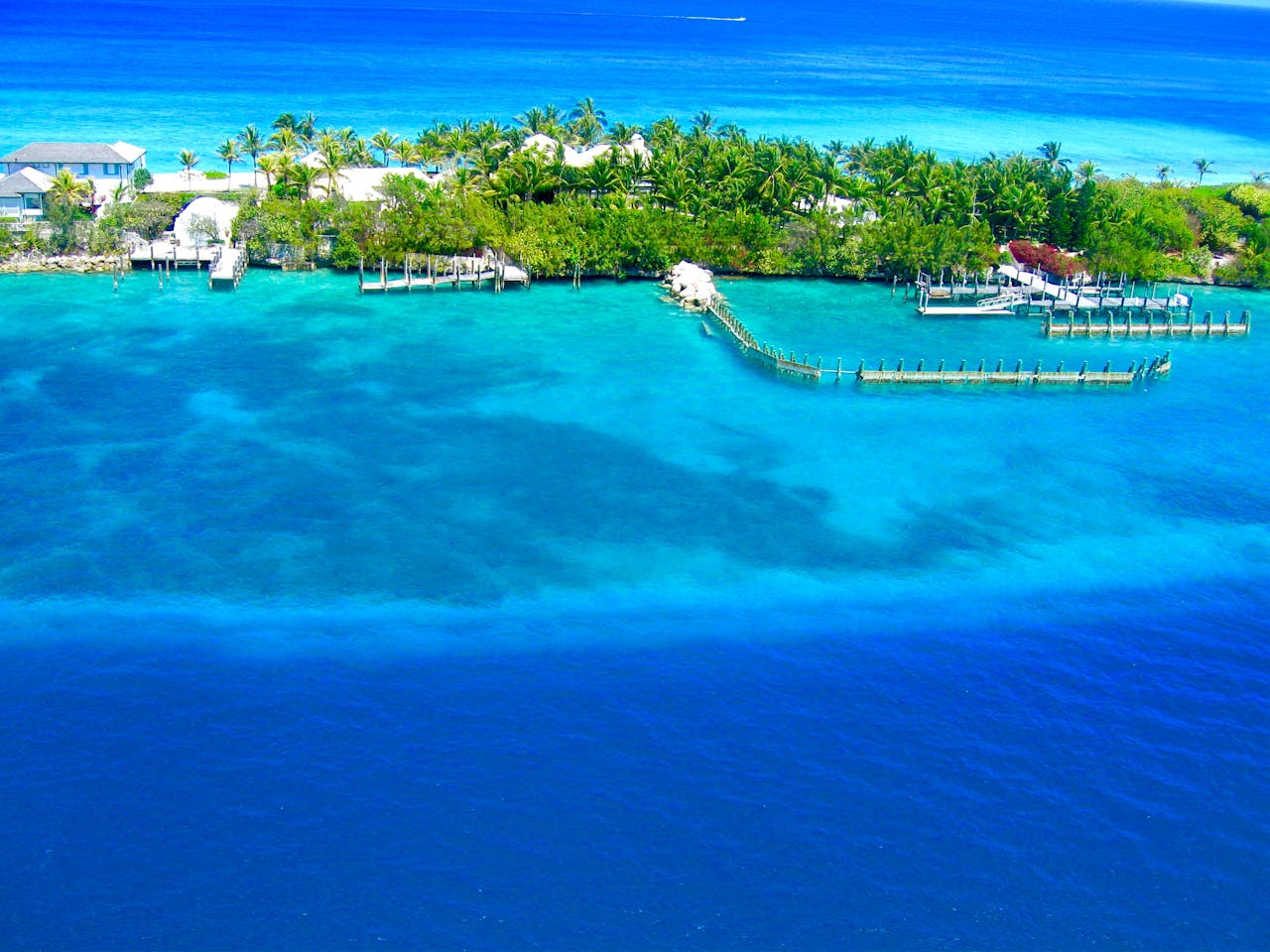
Tropical destinations may seem relaxing, but drowning is a leading cause of tourist deaths in many beach hotspots. Strong currents, unexpected waves, and lack of supervision contribute to accidents. Studies show that drowning rates can exceed traffic fatalities in popular beach destinations . Alcohol consumption and overconfidence in swimming ability often increase the risk. These destinations remain incredibly popular, but they require caution around water activities.
6. Thailand (Road Travel Hotspots)
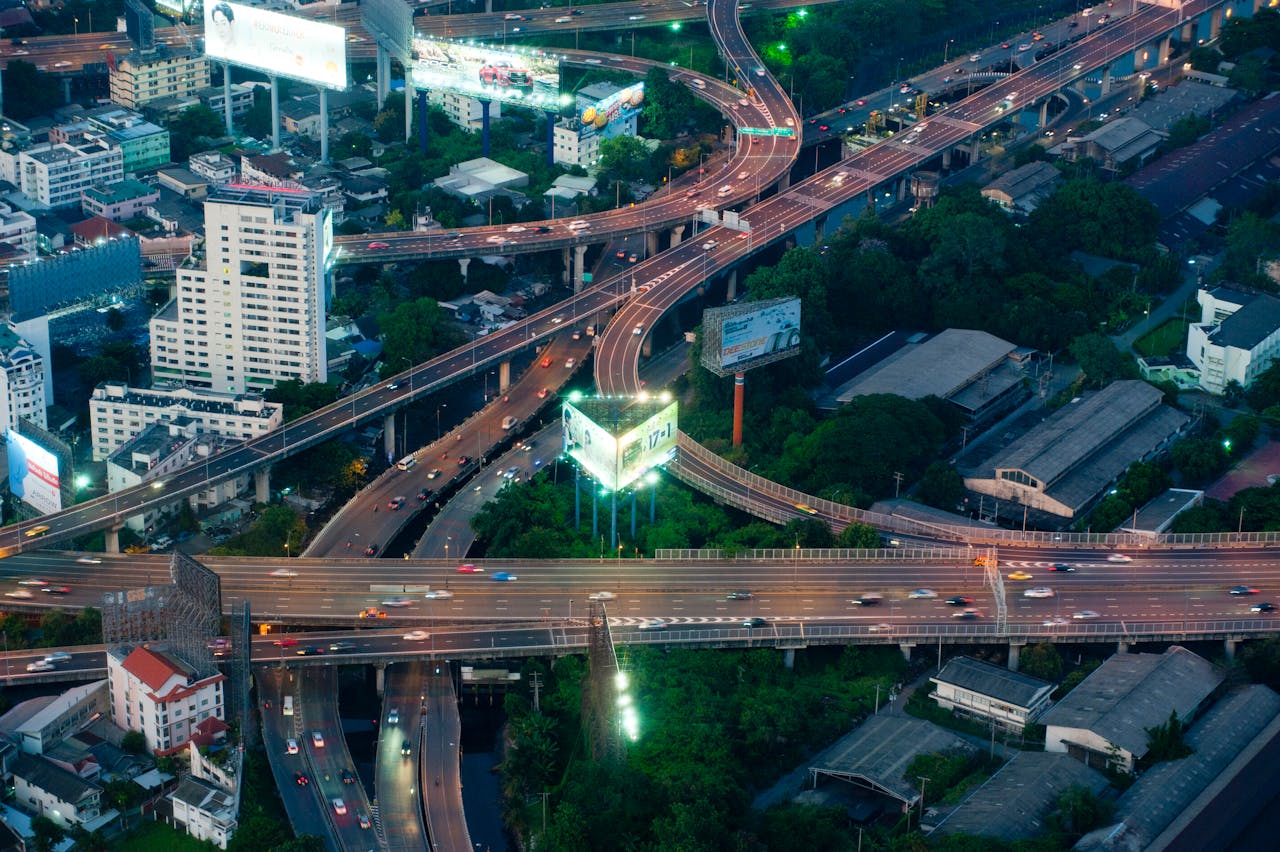
Thailand is one of the most visited countries in the world, but it also has a high rate of road traffic accidents involving tourists. Motorbike rentals are especially popular among visitors, many of whom lack experience riding in chaotic traffic conditions. Poor road safety enforcement and unfamiliar driving environments add to the danger. Globally, road accidents are the leading cause of tourist deaths, and Thailand is frequently cited as a high-risk location for such incidents .
7. Mexico (Tourist Regions)
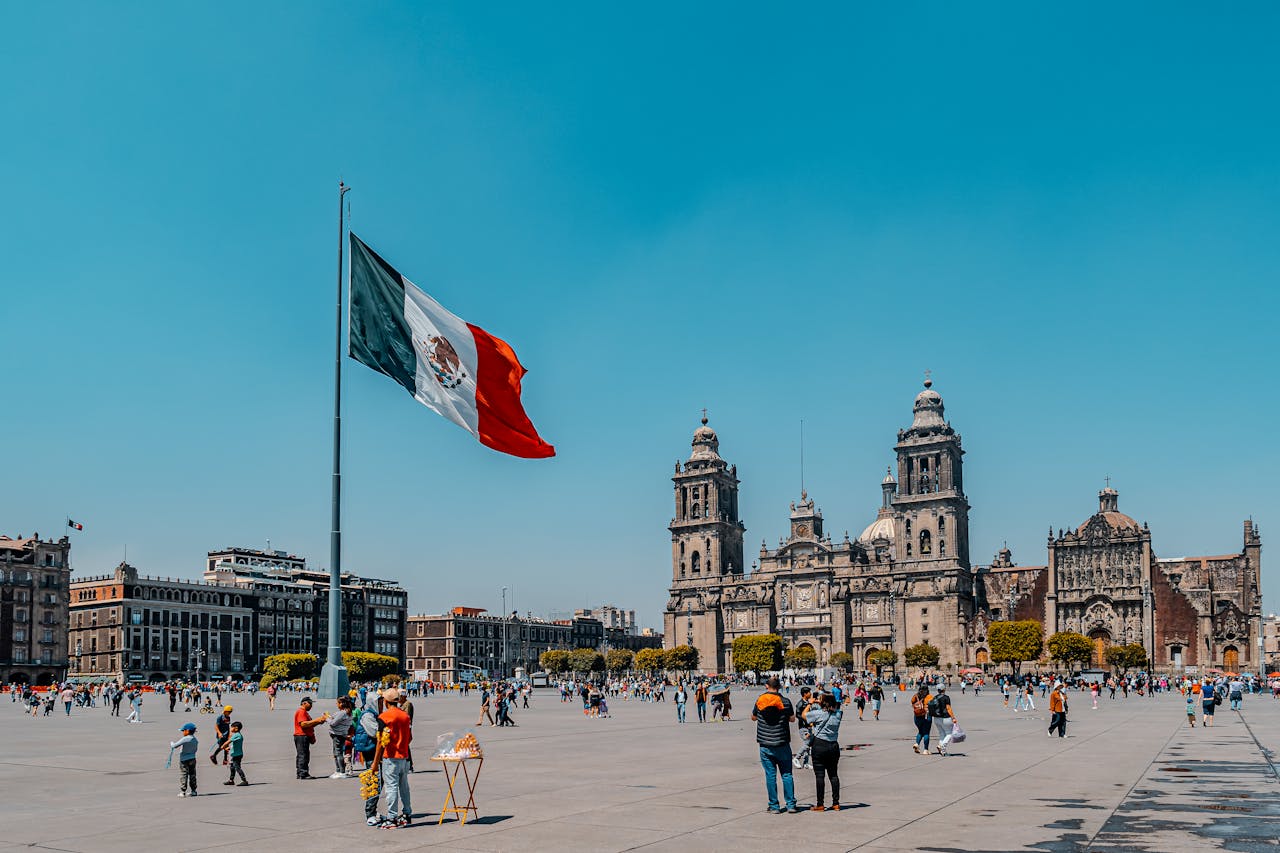
Mexico remains a top destination for travelers, but it has recorded one of the highest numbers of tourist deaths, particularly from road accidents and violence. Data shows that a large proportion of U.S. citizen deaths abroad occur in Mexico, often linked to traffic incidents . While many areas are safe, certain regions pose higher risks, especially for travelers unfamiliar with local conditions. Awareness and careful planning are essential when visiting.
8. Halong Bay, Vietnam
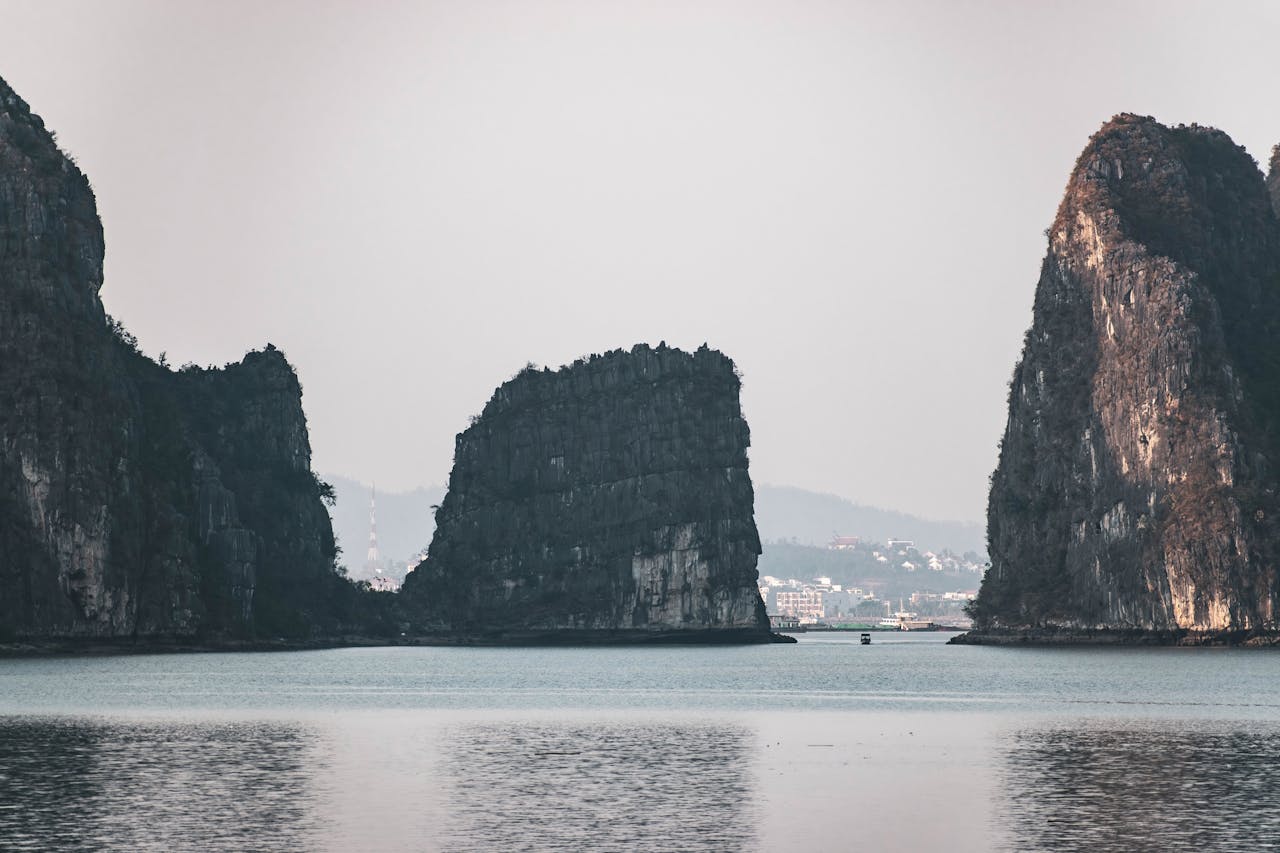
Halong Bay is known for its breathtaking limestone islands and boat tours, but water-related accidents have occurred over the years. Boat capsizing incidents, often linked to weather conditions, have led to multiple fatalities in recent years. Sudden storms and overcrowded vessels can increase risks for tourists. While millions visit safely each year, the potential for maritime accidents remains a concern in this otherwise serene destination.
9. Danakil Depression, Ethiopia
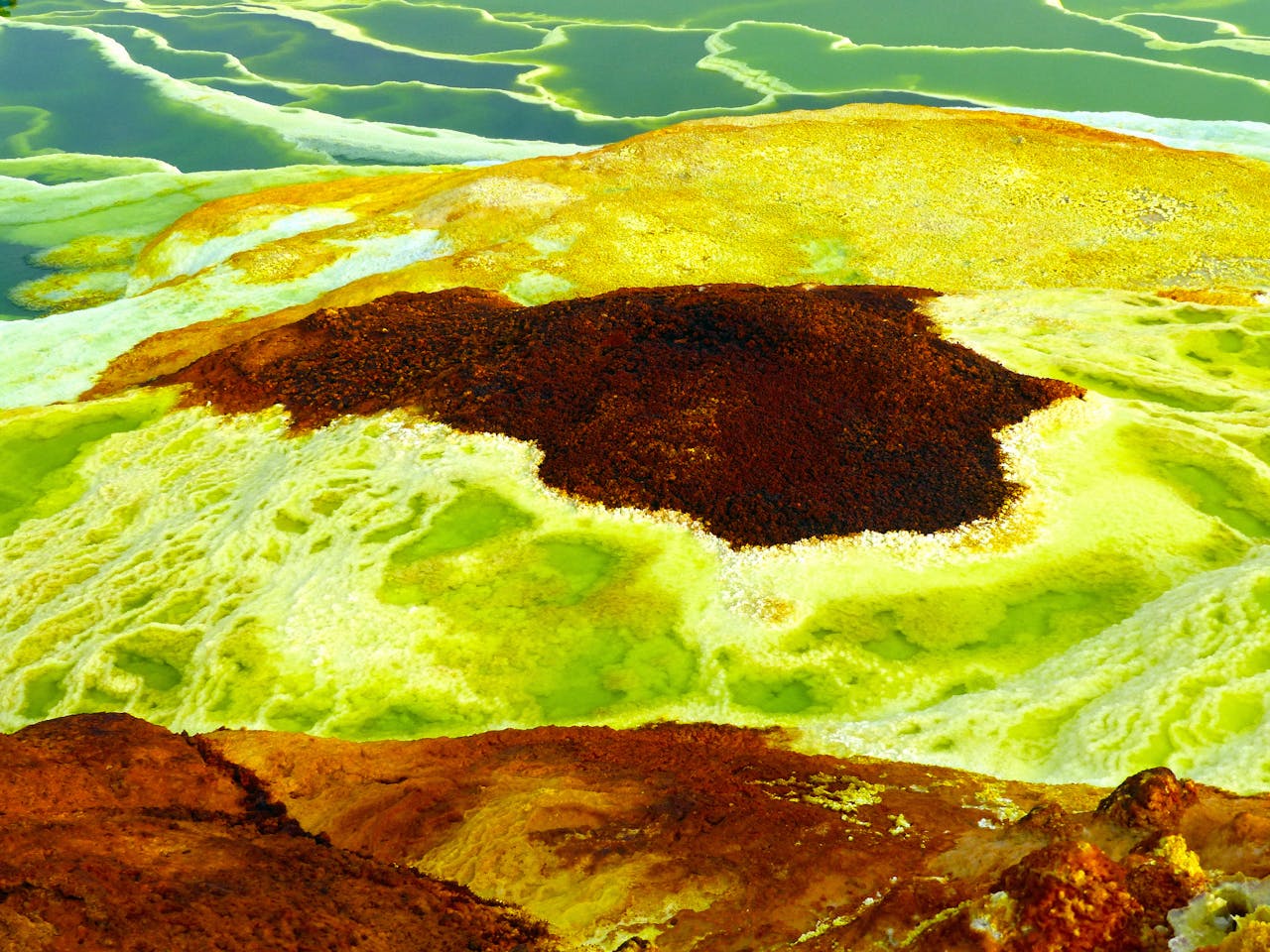
The Danakil Depression is one of the hottest and most extreme environments on Earth. Tourists visit for its alien-like landscapes, but the region is filled with active volcanoes, toxic gases, and intense heat. Dehydration and exposure are constant risks, and medical help is often far away. Its remote location adds another layer of danger, making it a destination suited only for well-prepared travelers .
10. Snake Island (Ilha da Queimada Grande), Brazil
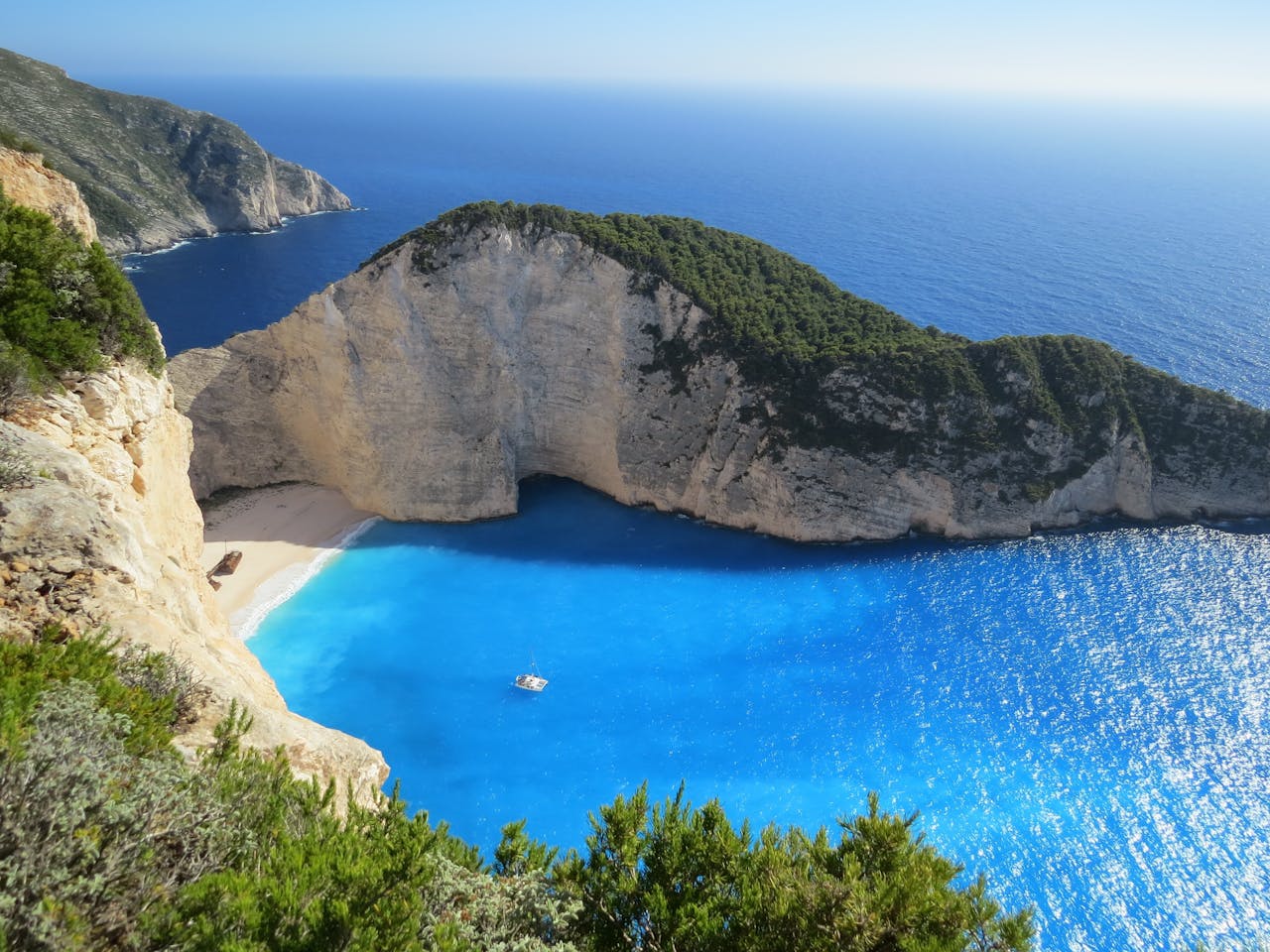
Snake Island is infamous for being home to thousands of venomous snakes, including the highly dangerous golden lancehead viper. While access is heavily restricted, the island has gained global attention as a deadly tourist curiosity. Any unauthorized visit carries extreme risk due to the density of venomous wildlife. It serves as a reminder that some destinations are dangerous not because of terrain or weather, but because of the life that inhabits them.
