
I almost didn’t Take These Road Trips: Under 1,000 Miles and Absolutely Worth It
A memorable American road trip does not need a cross-country commitment. Under 1,000 miles, drivers can still get a real variety: ocean pullouts, mountain overlooks, fall color, and desert parks, with enough time to stop and actually enjoy them. These five routes were chosen for reliable mileage and practical access, with planning details that matter in the U.S., like seasonal traffic, park reservations, fuel gaps, and where weekend crowds change the pace.
1. Pacific Coast Highway: San Francisco To San Diego
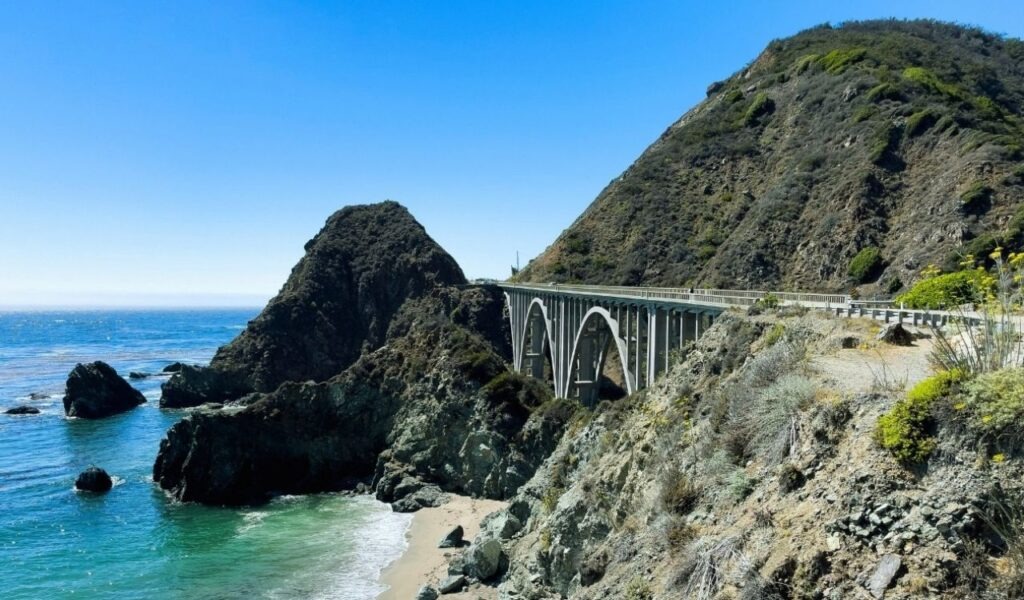
Routed between San Diego and San Francisco with core coastal stops, this drive is about 587 miles, leaving room for detours and still staying under 1,000. Plan slow segments around Big Sur and confirm Highway 1 status because closures can reroute you onto US 101. Summer mornings often bring fog near Monterey, while September tends to be clearer and calmer. Budget two to four days so you can stop at Hearst Castle, Morro Bay, and the Santa Cruz boardwalk. Expect paid parking and crowded pullouts in Santa Barbara, Malibu, and La Jolla, especially on Saturdays. If you drive north to south, the afternoon light often hits the ocean side.
2. Blue Ridge Parkway: Shenandoah To Great Smoky Mountains
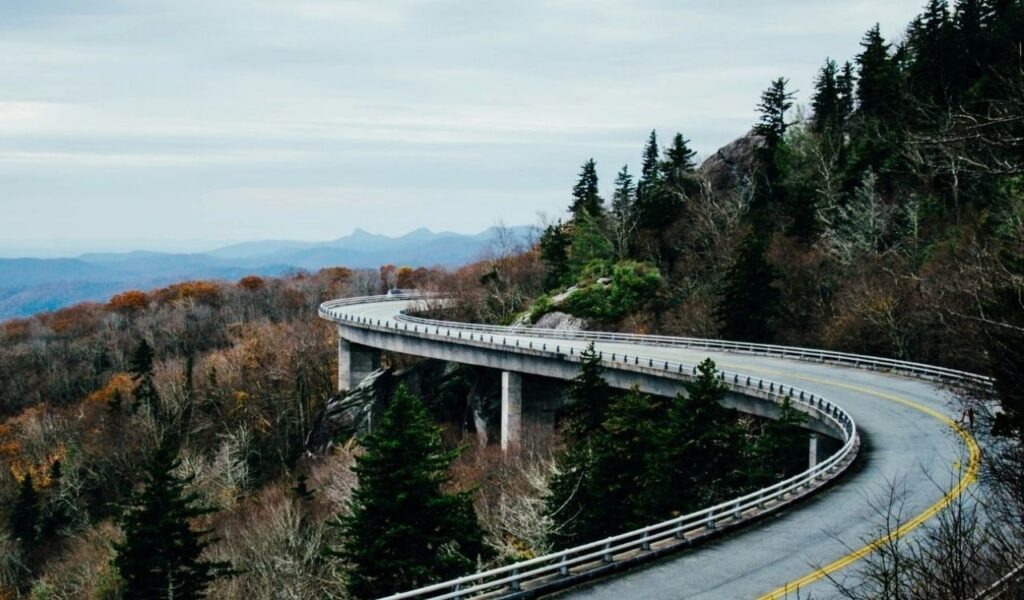
The Blue Ridge Parkway is 469 miles from Shenandoah to the Great Smoky Mountains, and its lower speed limits are intentional. Services are limited on the roadway, so top off fuel before long stretches and carry snacks and water. Fall color arrives earlier at higher elevations, so timing can shift by mile marker and weather. Use visitor centers for closure updates after storms, and keep a paper map since cell service drops. Add short hikes such as Craggy Gardens or Linville Falls, then overnight near Asheville or Boone to avoid night driving in fog. Early starts help you beat RV traffic and find open overlooks.
3. New England Loop: Boston, Stowe, And Portland
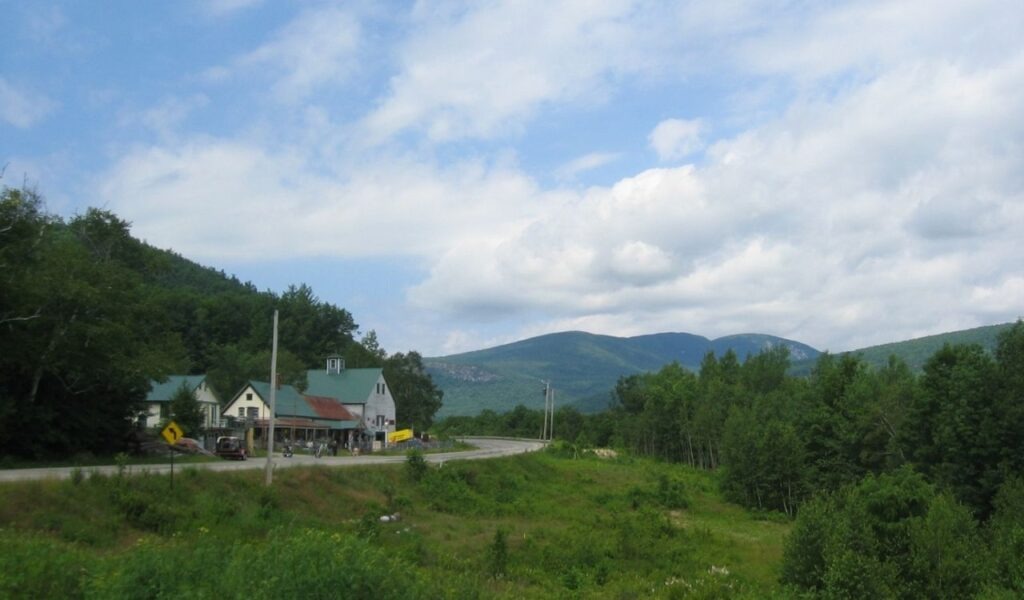
This Boston to Stowe to Portland loop stays well under 1,000 miles while sampling three distinct New England styles. Vermont delivers covered bridges, maple creemees, and scenic Route 100 stretches, while coastal Maine adds lighthouses, working wharves, and seafood in Portland and nearby harbors. Book rooms early for late September through mid-October because rates jump during the leaf season weekends. Plan for slower two-lane roads and sudden weather swings. Try a weekday start, pack layers for chilly mornings, and budget for city parking costs and tolls around Boston. In Maine, order lobster rolls early because lines build at lunch.
4. Utah Parks Loop: Salt Lake City Round Trip
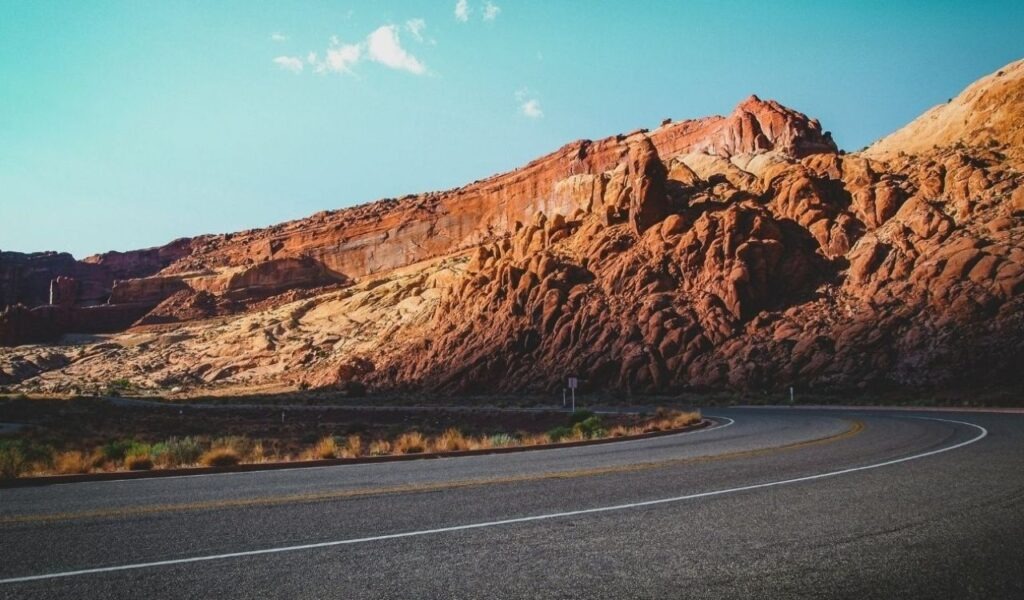
From Salt Lake City, a four-park circuit linking Zion, Bryce Canyon, Capitol Reef, and Arches can remain around 800 to 900 miles with direct routing and limited detours. April to May and late September to October balance cooler temperatures with fewer peak summer crowds. Zion needs shuttle planning in the main canyon, and Arches can require timed entry, so check current rules before you arrive. Expect long gaps between services on UT 12 and US 191. Bring sun protection, start hikes early, and keep a full water jug in the car because dehydration happens fast in dry air. Check park websites for trail closures caused by flash flood risk.
5. Arizona Desert Loop: Phoenix, Sedona, Monument Valley, Grand Canyon
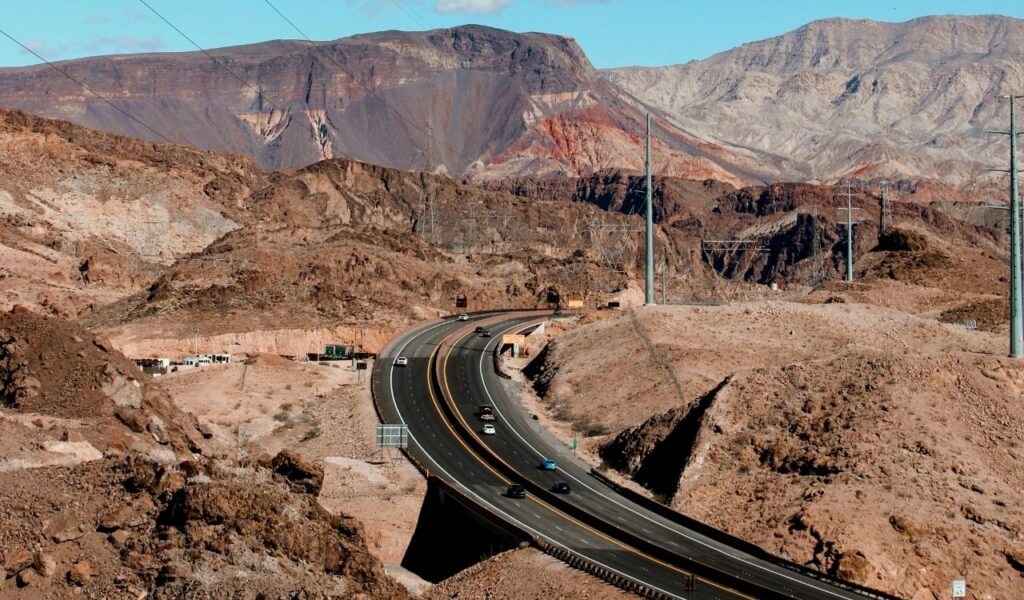
This Arizona loop usually stays around 750 to 850 miles, combining Phoenix, Sedona, Monument Valley, and the Grand Canyon South Rim. Winter and early spring bring cooler hiking weather, but nights turn cold at elevation near Flagstaff and the canyon. For Monument Valley, Navajo guided tours can access areas beyond the public road and add cultural context. Plan your canyon day around South Rim shuttles and limited parking at Mather Point. Fill up before the US 160 and US 89 stretches, and watch for wind and snow on high passes even when Phoenix feels warm. Keep a spare bottle of washer fluid for dust and road spray.
