
10 Ways to Avoid Getting Sick While Traveling
Whether it’s a cold picked up on the plane, stomach troubles after a street food adventure, or plain old exhaustion, travel-related illness can turn an exciting adventure into days of recovery.
People get sick more often when traveling because they’re exposed to new bacteria and viruses their bodies aren’t used to.
Long flights weaken the immune system, crowded airports spread germs, and changes in diet or sleep throw the body off balance.
Add in different climates, stress, and sometimes questionable food or water, and it’s easy to see why so many people end up sick while traveling.
The good news is you can lower your chances by taking some simple precautions. Here are 10 ways to avoid getting sick while traveling.

How to Avoid Getting Sick While Traveling
1. Wash Your Hands Often
Hand hygiene is the simplest and most effective way to prevent illness.
When you’re traveling, you’ll be touching money, public railings, door handles, airplane trays, and countless other germ-covered surfaces.
Then, without thinking, most of us touch our faces dozens of times a day.
- Wash with soap and warm water for at least 20 seconds when you can.
- If soap isn’t available, carry a travel-size hand sanitizer with at least 60 percent alcohol.
- Use sanitizer before eating, after handling cash, and whenever you’ve been in crowded spaces like airports or buses.
I even carry a small pack of sanitizing wipes to clean things like airplane trays and hotel remotes.
It may feel over-cautious, but it really cuts down on your chances of picking up unwanted germs.
2. Stay Hydrated
It’s easy to forget to drink enough water when you’re on the go. Dehydration makes you more susceptible to illness, slows down recovery, and increases fatigue.
Add in the dry air of airplanes and possibly drinking more alcohol than usual, and your body can get depleted quickly.
Tips to stay hydrated:
- Carry a refillable water bottle and sip throughout the day.
- If tap water isn’t safe where you’re traveling, stick to bottled or use a portable filter or purification tablets.
- Drink extra water before, during, and after flights.
Hydration isn’t just about water. If you’re sweating heavily, consider coconut water or electrolyte packets to replace lost minerals.
3. Get Enough Sleep
Travel often means early flights, long days of sightseeing, and late nights out. But skimping on sleep takes a toll. Your immune system needs proper rest to fight off infection.
- Aim for 7 to 8 hours a night, even if you have to adjust your schedule.
- Use earplugs, an eye mask, or a white noise app to help you sleep in noisy hotels or hostels.
- On long-haul flights, a neck pillow and comfortable clothing make it easier to catch some rest.
- If you land in a new time zone, a short nap can help, but try to adjust your sleep to local time as quickly as possible.
Think of sleep as an essential part of your itinerary, not something optional.
4. Be Careful With Food and Water
Trying new foods is one of the joys of travel, but it’s also one of the main ways people get sick abroad.
Traveler’s diarrhea is common, but it’s not inevitable if you’re cautious.
- Eat at busy spots with high turnover, which usually means fresher food.
- Be wary of undercooked meat, seafood, or street food that looks like it’s been sitting out.
- If local tap water isn’t safe, don’t drink it and don’t brush your teeth with it.
- Peel fruit yourself or wash it with bottled water or a product like Microdyne.
That said, don’t be afraid to enjoy local cuisine. Just balance adventure with awareness.

5. Carry a Small Travel Health Kit
When you start feeling unwell, the last thing you want to do is search for a pharmacy in a new city where you may not speak the language.
Having a small, prepared health kit makes a huge difference.
Pack items like:
- Pain relievers (acetaminophen or ibuprofen)
- Motion sickness tablets
- Anti-diarrheal medication
- Electrolyte powders or rehydration salts
- Bandages, blister pads, and antiseptic wipes
- Any prescription medications you take
Keeping these in your bag saves time and stress, and it can keep a minor issue from turning into a trip-wrecker.

6. Keep Your Immune System Strong
Your immune system is your body’s best line of defense. Travel itself can be stressful, which lowers immunity, so give your body extra support.
- Eat plenty of fruits and vegetables for vitamins and antioxidants.
- Move your body daily, even if it’s just a walk.
- Some travelers use probiotics to support gut health, which may reduce the risk of stomach issues.
Also, don’t underestimate the basics. Balanced meals, hydration, and rest are far more powerful than any supplement.
7. Watch Out for Airplane Germs
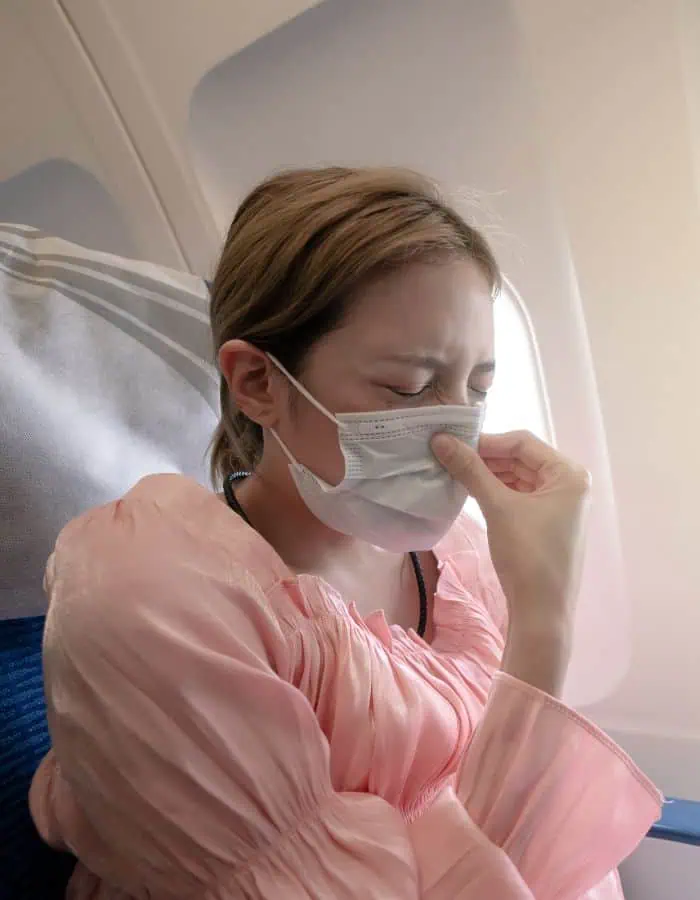
Airplanes recycle air, seat passengers in close quarters, and have surfaces that aren’t cleaned as often as you might hope.
- Use sanitizing wipes on your tray table, armrests, and seatbelt buckle.
- Point the overhead air vent toward you at low flow. It helps create a protective stream of air.
- Stay hydrated during the flight, since dry air irritates your nose and throat, making it easier for germs to take hold.
- Move and stretch on longer flights to support circulation and reduce stiffness.
Flying is often unavoidable, but taking a few simple steps makes it less risky.
8. Protect Yourself From Mosquitoes
In many destinations, mosquitoes aren’t just annoying. They can carry diseases like dengue, malaria, or Zika.
- Use repellent with DEET, picaridin, or lemon eucalyptus oil.
- Wear long sleeves and pants, especially around dawn and dusk.
- Sleep under a mosquito net if accommodations don’t have window screens.
- Check if the area you’re visiting has vaccine or medication recommendations.
Mosquito-borne illnesses can knock you out for weeks, so prevention is worth the effort.
9. Pace Yourself
Overdoing it is one of the fastest ways to get sick. Long days, poor diet, dehydration, and lack of sleep add up quickly.
- Build downtime into your itinerary, whether that’s a quiet morning in a café or a half-day at the beach.
- If you’re hopping time zones, give yourself a day or two to adjust instead of scheduling every hour.
- Listen to your body. If you’re tired, it’s okay to skip a museum or a tour.
A sustainable pace keeps you healthier and makes the trip more enjoyable.

10. Get Travel Insurance
Even with the best precautions, you can’t plan for everything. That’s where travel insurance comes in.
- Look for a policy that covers doctor visits, hospital stays, prescriptions, and medical evacuation if needed.
- Double-check what’s excluded, like pre-existing conditions or adventure sports.
- Most plans also cover trip cancellation, delays, or lost luggage.
Insurance gives you peace of mind and ensures that a medical issue doesn’t turn into a financial disaster.
My go-to for travel insurance is SafetyWing. They have a variety of coverage options at good prices.
Wrap-Up: How to Avoid Getting Sick While Traveling
Avoiding illness while traveling comes down to a mix of preparation and awareness. Wash your hands often, eat and drink wisely, rest, and pace yourself. Support your body with hydration, sleep, and nutritious food.
You can’t control everything, but by following these steps, you’ll drastically cut your chances of losing precious vacation time to sickness.
More importantly, you’ll be free to focus on what travel is all about: exploring, connecting, and enjoying every moment.
