
Before You Head to a National Park, Make Sure You Pack These 5 Essentials
In 2026, the American National Park experience is more popular and more regulated than ever before. According to recent February 2026 National Park Service (NPS) updates, record-breaking visitor numbers have led to stricter “Leave No Trace” enforcement and expanded digital entry systems. While a sturdy pair of boots is a given, the modern adventurer needs a specific set of tools to navigate new 2026 land management policies. We have identified the five non-negotiable essentials that every traveler must pack to stay ahead of the crowds and the elements this season.
1. The Valid Entry Pass (Digital or Physical)
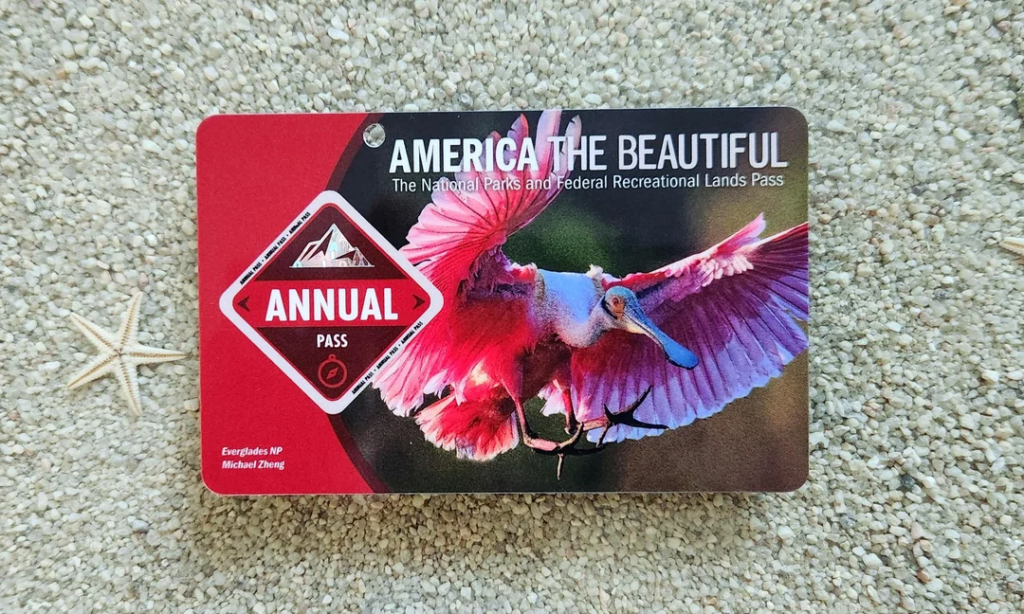
The most essential item in 2026 is no longer a map, but your proof of entry. According to current NPS guidelines, many flagship parks like Zion, Glacier, and Arches now require timed-entry reservations that must be secured months in advance. Carrying a physical “America the Beautiful” pass or a verified digital QR code on your phone is a factual requirement for entry. Without this, you may find yourself turned away at the gate, regardless of how far you traveled. Experts also recommend keeping a printed backup, as cellular service at park entrances remains notoriously unreliable in 2026.
2. Advanced Navigation (Offline GPS + Paper Map)
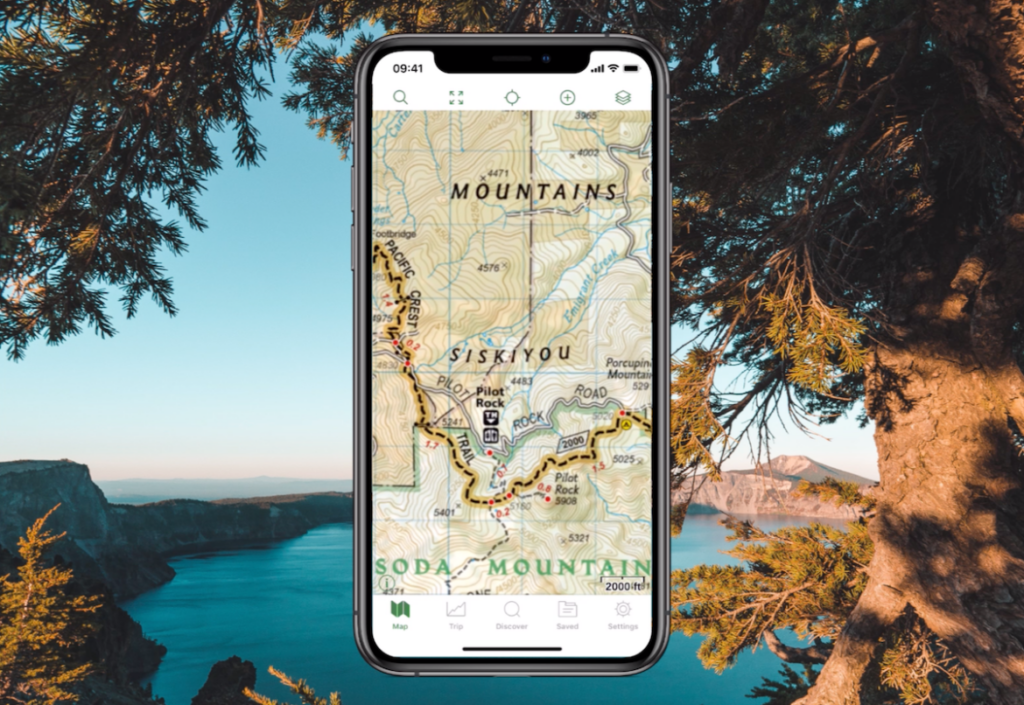
Relying on a live data connection is a factual mistake that leads to hundreds of search-and-rescue calls every year. In 2026, the standard for safety is a smartphone equipped with offline-enabled GPS maps (such as AllTrails or Gaia GPS) paired with a high-capacity power bank. However, because electronics can fail in extreme temperatures, a physical topographic map of the specific trail remains a non-negotiable backup. According to 2026 safety audits, a simple paper map is the only tool that doesn’t require a battery to save your life if you lose the trail after sunset.
3. Modular Layering System (Moisture-Wicking)
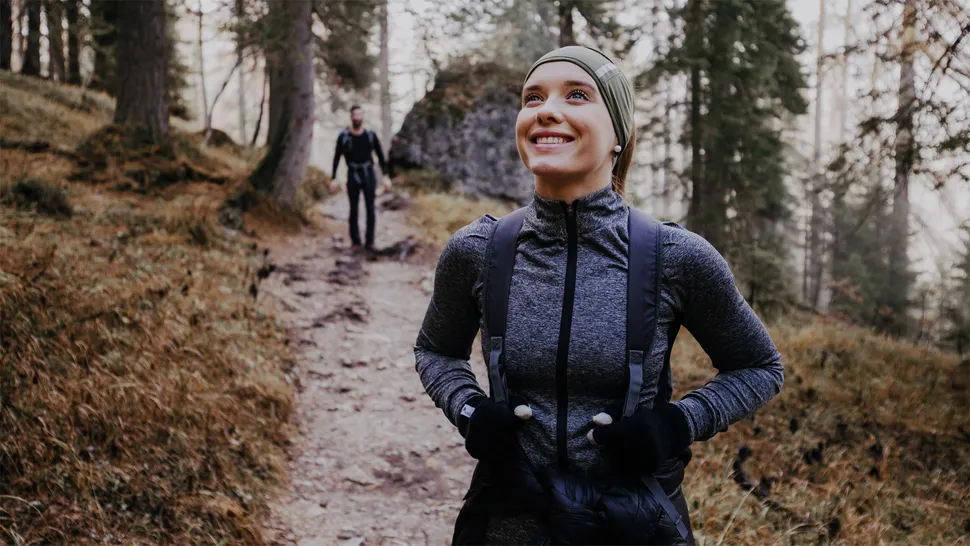
The weather in National Parks can shift by 30 degrees in a single hour, making “one big jacket” a poor choice for 2026 hikers. According to 2026 outdoor gear reviews, the most effective strategy is a three-layer system: a moisture-wicking base (merino wool or synthetic), an insulating mid-layer (fleece or down), and a waterproof outer shell. Factual data shows that cotton is a “danger fabric” in the backcountry because it traps moisture and leads to rapid hypothermia. By packing light, interchangeable layers, you can stay dry and comfortable whether you are in a high-desert canyon or a sub-alpine forest.
4. High-Capacity Hydration and Filtration
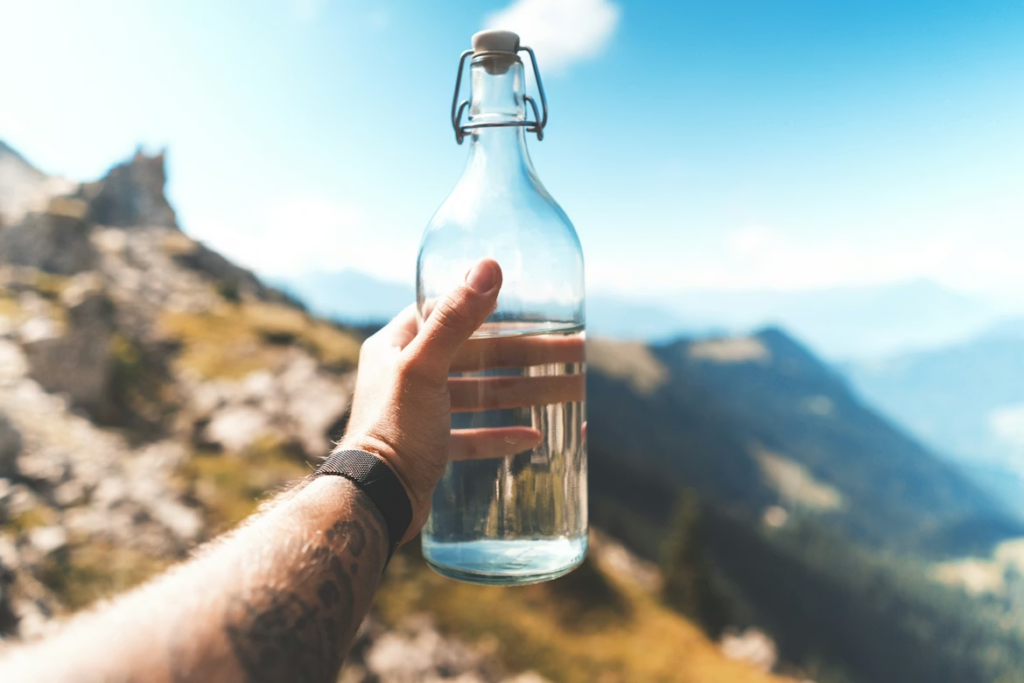
In the heat of 2026, carrying a single plastic water bottle is neither sustainable nor safe. According to current wilderness safety standards, you should carry a minimum of two to three liters of water per person for any hike over three miles. Additionally, a compact water filtration device (like a LifeStraw or Sawyer Squeeze) is a factual essential for emergencies. While many parks have “Water Filling Stations” at visitor centers, these can break or be shut off during drought conditions, making a personal filtration backup a critical safety net.
5. UV-Rated Sun Protection and First Aid
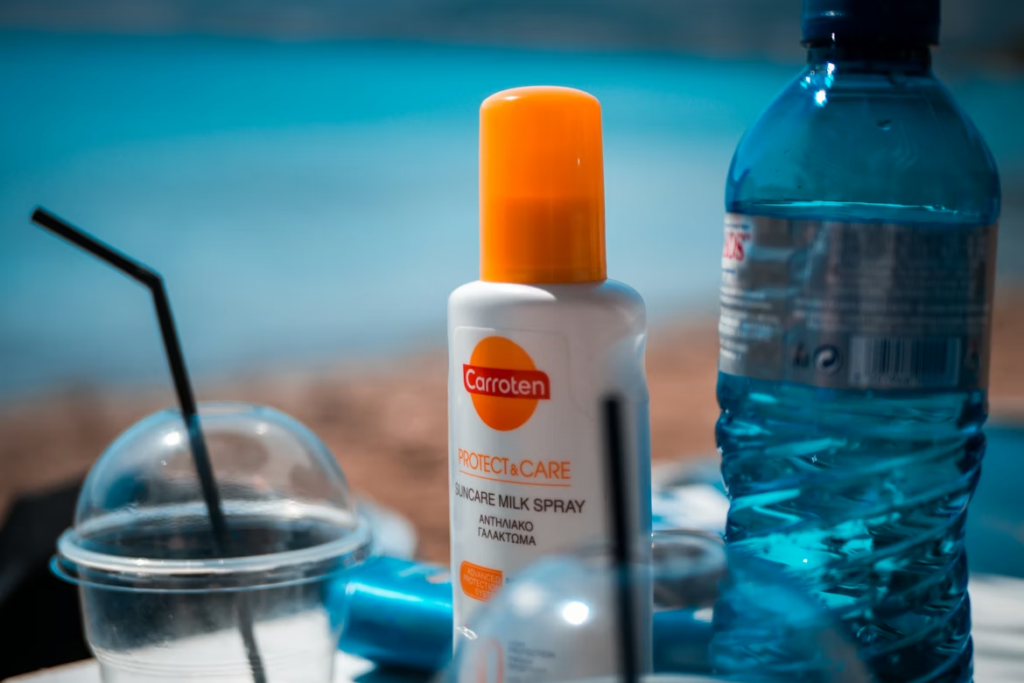
High-elevation sun exposure in parks like the Rocky Mountains or Bryce Canyon is significantly more intense than at sea level. According to 2026 dermatological reports, you need SPF 50+ sunscreen, a wide-brimmed hat, and polarized sunglasses to prevent long-term damage and immediate heat exhaustion. Alongside sun care, a basic first-aid kit containing blister plasters (moleskin) and antiseptic wipes is a factual must-have. Small injuries like a blister or a minor scrape can quickly end a trip if you are miles away from the nearest trailhead or ranger station.
