
Looking for the Best Travel Dog? Here’s How to Find the Right Rescue
Not all dogs are natural-born travelers. Some thrive in new places with changing routines, while others are happier sticking close to home.
If you’re thinking about adopting a dog and plan to bring them along on your adventures, it pays to be intentional about who you choose.
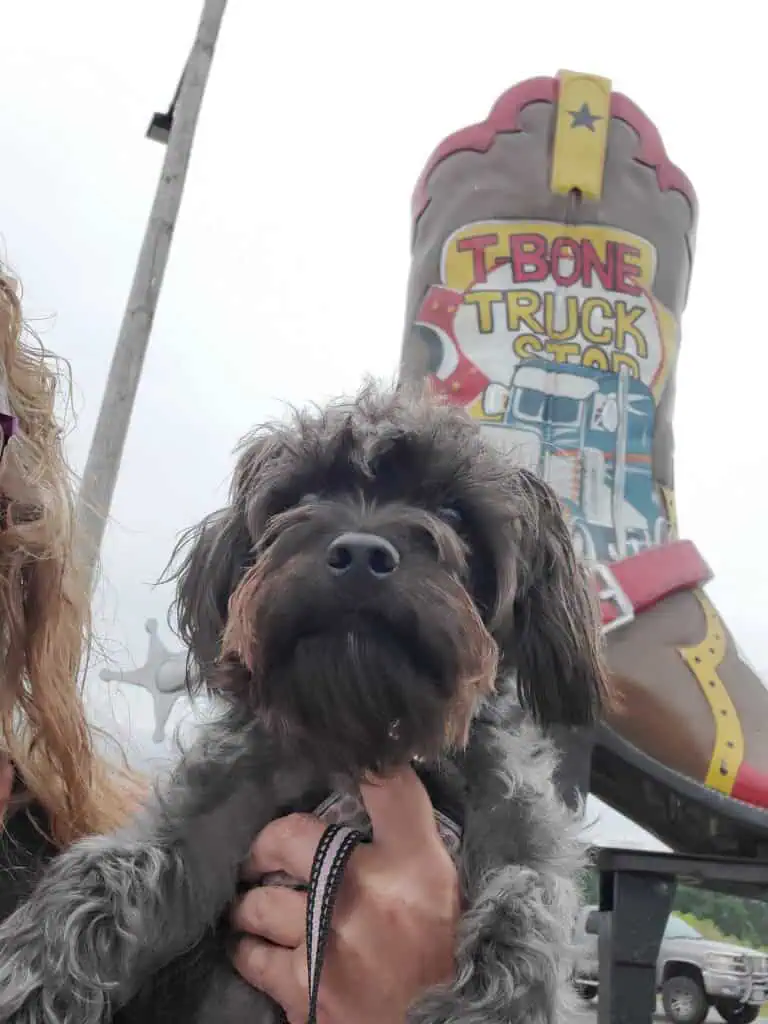
When I adopted my dog, Shelby, I knew I’d be traveling full time. I didn’t search for a specific breed or spend thousands of dollars.
I chose a rescue with the right temperament for life on the move, and she’s turned out to be the perfect little travel dog.
You don’t need to spend a fortune on a designer dog to find a great travel companion.
With the right match and a little preparation, a rescue dog can become the best travel dog you’ve ever had.
This guide will help you figure out what to look for.

Know Your Travel Style First
Before you meet any dogs, get clear on your own travel habits. This shapes the kind of dog that will fit best into your life.
Ask yourself:
- Will you fly often, and do you plan to bring your dog in-cabin?
- Are you more into road trips, van life, or RV travel?
- Will you be staying in hotels, Airbnbs, or campsites?
- How often will your dog need to navigate crowds, patios, or public spaces?
- Do you want a lap dog for city strolls or a hiking buddy for the mountains?
The best travel dog for a full-time nomad might be different than the best dog for weekend adventures.
Start with what kind of traveler you are, then find a dog that fits into that style.
Size Matters, But Not in the Way You Think
When flying, size plays a big role. Most airlines only allow dogs under 20 pounds to ride in-cabin, and they must fit in a soft-sided carrier under the seat.
But if your plans are mostly road-based, the size rules shift.
Here’s a basic breakdown:
- Small dogs are easier for air travel and tight indoor spaces. Great for frequent flyers.
- Medium dogs often make solid road companions and are easier to manage in active settings.
- Large dogs are ideal for van life or road trippers with more space. Just keep in mind added challenges like hotel restrictions and limited flight options.
That said, the best travel dog isn’t always the smallest. It’s the one that can settle calmly in a crate, navigate unfamiliar environments, and stay calm in motion.

Key Traits of the Best Travel Dog
It’s not about perfection. It’s about compatibility. Look for dogs with these temperament traits:
- Adaptable to new places, sounds, and routines.
- Calm in busy settings like airports, restaurants, and campgrounds.
- Friendly or at least neutral around strangers, kids, and other dogs.
- Moderate energy so they enjoy activities but can also relax.
- Comfortable in crates or carriers, even for extended periods.
You’re not just looking for a dog you love. You’re looking for one who can handle constant change with curiosity instead of fear.
How to Tell if a Rescue Dog Will Be a Good Traveler
Most rescue dogs don’t come with a full backstory. That’s okay. What matters is what they show you now.
When visiting a shelter or foster home:
- Spend time outside the kennel. Walk them, sit with them, and observe.
- Watch how they react to noise, strangers, and distractions.
- See how quickly they recover from being startled.
- Look for curiosity and confidence. Fearful dogs aren’t bad, but they’ll need more training and time before travel.
Even if the dog isn’t perfect right away, you’re looking for potential. The best travel dogs aren’t born ready. They’re dogs who can learn, grow, and adapt.
Questions to Ask Before You Adopt
Talk to the shelter staff or foster about how the dog behaves outside the shelter.
Ask:
- Has this dog ridden in a car? How did it go?
- Are they crate trained or comfortable being confined?
- Do they bark when left alone?
- How do they respond to new environments or people?
- Have they been exposed to crowds, busy streets, or other animals?
Let them know you’re looking for the best travel dog, not just a pet for a fenced backyard. You’ll get better advice if you’re clear about your plans.
Don’t Get Caught Up in Breed Labels
It’s tempting to Google “best travel dog breeds,” and there’s nothing wrong with doing some research.
In fact, I’ve written a separate article on the best and worst dogs for full-time travel if you want a breakdown based on typical breed traits.
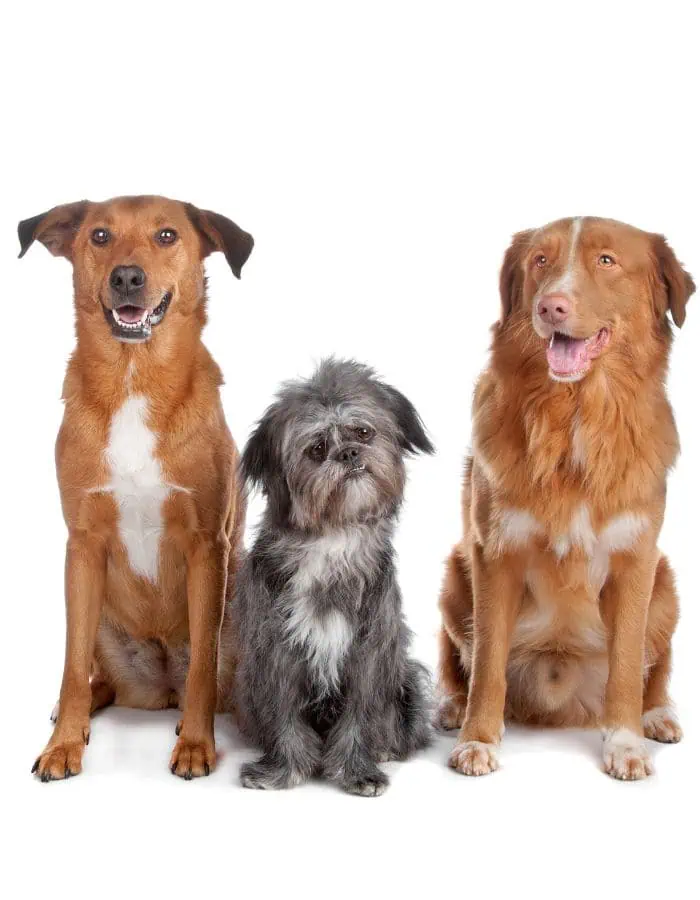
But when it comes to adopting a rescue, breed labels are often just best guesses.
That terrier mix might be part husky. That calm-looking lab could have some hound tendencies. Shelter paperwork rarely tells the full story.
The truth is, a dog’s behavior tells you far more than their supposed breed.
- Are they curious instead of fearful?
- Do they recover quickly after being startled?
- Are they confident in new places?
- Do they follow your lead and stay engaged?
Those are the things that matter most when choosing the best travel dog.
And a mixed-breed rescue with the right temperament can be just as amazing, if not better, than any purebred.
Training Makes the Difference
Even the best rescue dog needs support to become a great travel partner. Early training and slow exposure are key.
Start with:
- Crate training as a safe and positive experience.
- Short car trips to fun places.
- Practice in public spaces like cafes or markets.
- Basic commands that help your dog stay calm and focused on you.
Confidence is built through small wins. The more new experiences your dog handles well, the more relaxed they’ll be in the long run.
What Actually Makes the Best Travel Dog?
Let’s break it down. Whether it’s a Chihuahua, a mixed-breed shepherd, or a shaggy terrier from the shelter, the best travel dog is one who:
- Feels safe in a crate or carrier.
- Trusts you in new environments.
- Can rest calmly between adventures.
- Enjoys walks, exploration, and novelty.
- Can bounce back from surprises.
Breed might influence tendencies, but it’s your dog’s temperament and training that determine how well they’ll travel.

Take Your Time
Even if a dog shows travel potential, don’t rush the process. Give them time to adjust to your home, your routine, and you.
- Start with short outings and build up.
- Practice staying in new places overnight.
- Gradually add new experiences and environments.
The best travel dog is built through consistency and trust. The good news is, rescue dogs often bond deeply with the people who give them a second chance.
That bond becomes your superpower when the road gets bumpy or the plane is delayed.
Wrap-Up: Adopting the Best Travel Dog
Adopting a rescue dog for a travel lifestyle can be incredible. You don’t need a purebred or a passport-ready pup on day one.
What you need is a dog whose temperament matches your lifestyle, who can grow with you, and who’s up for the adventure.
The best travel dog might be waiting in a shelter right now, ready for their next chapter with you.
Related Posts
- The Best and Worst Dogs for Digital Nomads
- Guide to Planning a Road Trip With A Dog Without The Stress
- How to Help Dogs With Car Anxiety
- Flying Internationally With a Dog in the Cabin: What You Need to Know
- Best Dog-Friendly Hotel Chains in the United States
- Most Dog-Friendly Restaurant Chains in the United States
- 15 Dog-Friendly National Parks You’ll Both Love Exploring
