9 Countries With Good and Affordable Healthcare in 2026
One of the biggest reasons people leave the U.S. is the cost of healthcare. It’s no secret that medical bills in the States can be financially devastating.
The good news is that you don’t have to spend a fortune to get quality care elsewhere.
I’ve been a digital nomad since 2022, and my first trip to the doctor in Mexico was a wake-up call.
The clinic posted prices right on the wall. No guessing. No surprise bills in the mail. And even paying out of pocket, it was a fraction of what I would have spent back home.
If you’re looking for countries where healthcare is both affordable and reliable, these nine options stand out, even for older digital nomads.
In most cases, you’ll get the best rates if you become a resident, but even visitors often find out-of-pocket costs shockingly low.
Disclaimer: This article is based on personal experience and general research. It’s not medical or financial advice. Healthcare systems and costs vary by country and change over time, so always double-check details and talk to a qualified professional before making decisions about your health or finances.
Countries With Good and Affordable Healthcare
1. Mexico

Mexico’s healthcare system is modern, widely accessible, and affordable. You’ll find hospitals and clinics in every major city, with many doctors trained internationally.
Some facilities even have Joint Commission International accreditation, which is the gold standard globally.
How it works for expats and nomads:
- Public care is available through programs like INSABI (for low-income residents) and IMSS (for workers and permanent residents).
- Costs for public care are extremely low or free, but even private care is reasonable.
- Expect to pay upfront for procedures, so have a credit card or emergency fund ready.
My experience: I went to Costamed in Cozumel for a doctor’s visit and paid about $80 USD. It would have been half that with residency, but even the “expensive” option here was far cheaper than the U.S.
2. Malaysia
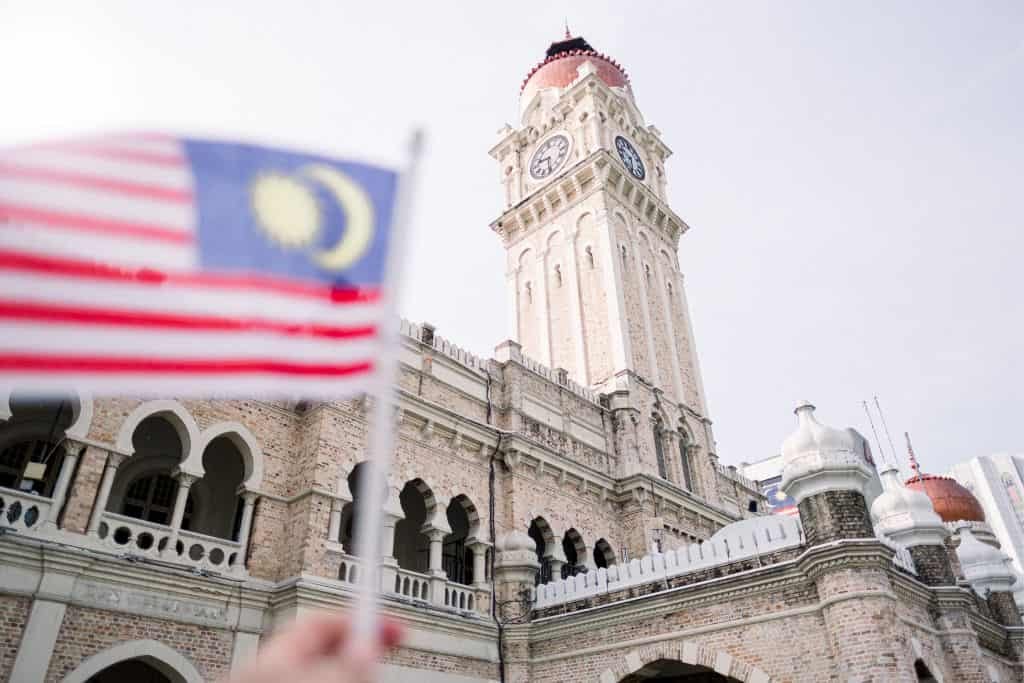
Malaysia has quietly become one of the top destinations for medical tourism. English is widely spoken in hospitals, and the costs are some of the lowest in Southeast Asia.
The country also has a strong reputation for cleanliness and low infection rates.
What stands out:
- Eight internationally accredited hospitals cater to both locals and international patients.
- Minor procedures and even major surgeries cost a fraction of what they do in the U.S.
- Private insurance is optional but affordable if you want full coverage.
3. Colombia
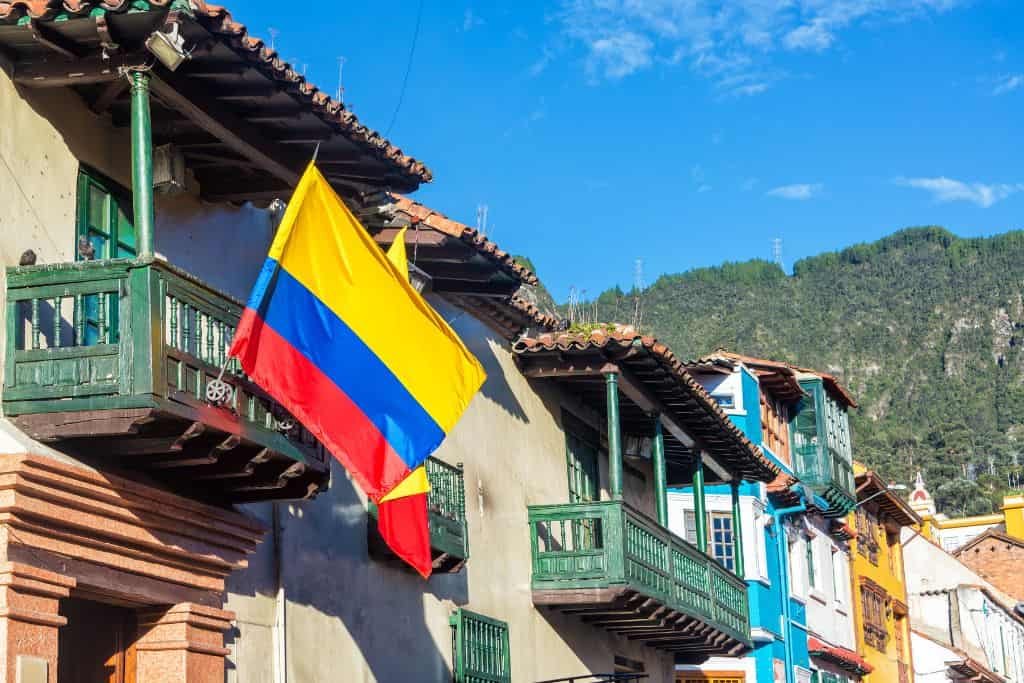
Colombia’s healthcare system ranks higher than the U.S. in World Health Organization rankings.
Expats with residency can join the national health insurance program (EPS) for around $70 to $85 a month for two people.
Why it’s appealing:
- Pre-existing conditions aren’t a barrier to enrollment.
- Medications are widely available and inexpensive, often without a prescription.
- Private hospitals are modern and staffed with highly trained professionals, especially in cities like Medellín and Bogotá.
4. Portugal

Portugal is popular with retirees, digital nomads, and families thanks to its mild climate, low cost of living, and excellent healthcare system.
The public system (SNS) is tax-funded and open to residents.
Good to know:
- Public care is low-cost or free, and most doctors speak English.
- Private insurance starts around $50 a month, depending on your age and coverage.
- Chronic condition medications, like insulin, are heavily subsidized or free.
5. Spain

Spain offers a similar setup to Portugal with its public system, Seguridad Social. It covers most medical needs, and expats who pay into the system can use it too.
Benefits:
- Public healthcare covers most or all costs for general medicine and hospitalization.
- Private insurance is affordable if you want shorter wait times or English-speaking doctors.
- Prescriptions are partially subsidized, reducing out-of-pocket costs.
6. Costa Rica
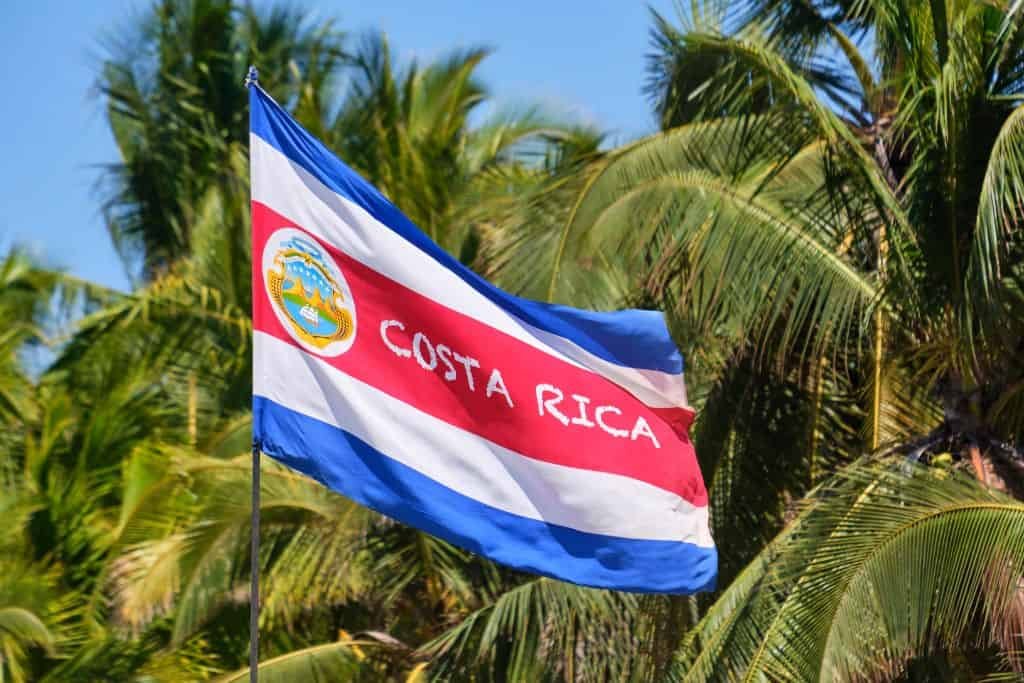
Costa Rica’s public system, called the Caja, provides universal coverage for residents. Once you have legal residency, you pay a monthly fee (usually 7 to 11% of your income) and get full access to care.
Why expats love it:
- No copays or exclusions for pre-existing conditions.
- Quality private care is also available for reasonable prices.
- The country is politically stable and known for its eco-friendly lifestyle.
7. Japan

Japan’s healthcare system combines advanced medical technology with surprisingly low costs.
All residents, including expats, must join either the employee-based or national health insurance program.
Key points:
- Patients pay 30% of costs; insurance covers the rest.
- Costs for prescriptions and procedures are strictly regulated.
- International clinics and major hospitals in cities like Tokyo and Osaka have English-speaking staff.
8. Brazil
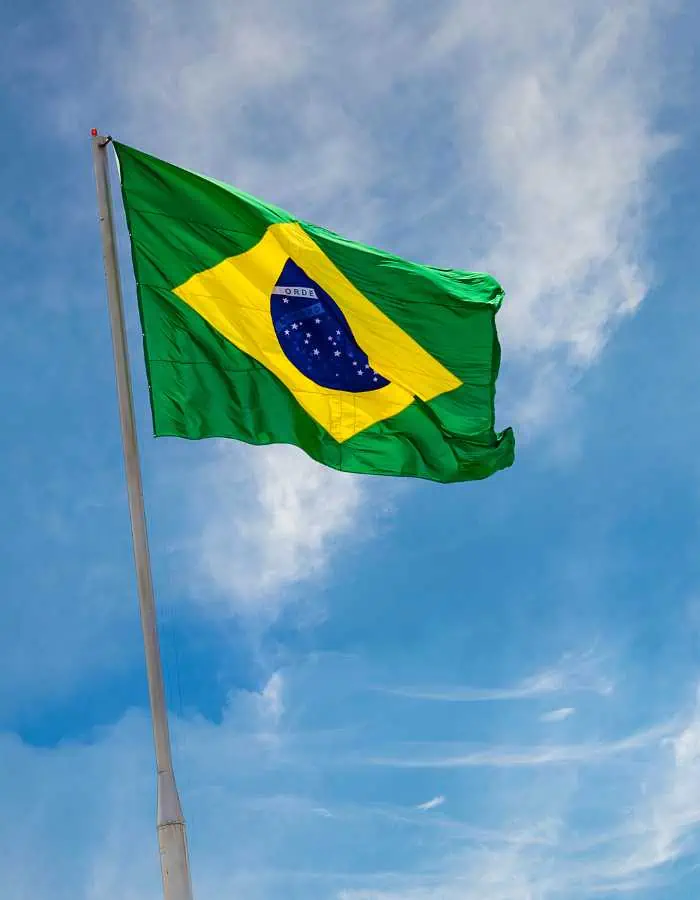
Brazil’s public healthcare system, SUS, offers free care to everyone, including expats. That said, many foreigners choose private insurance for faster access and more comfort.
What to expect:
- Modern hospitals in major cities with well-trained specialists.
- Private care costs are still significantly lower than U.S. prices.
- Brazil is also known for dental care and cosmetic surgery at competitive rates.
9. Cuba

Cuba is famous for its focus on preventive medicine and community-based care.
While the public system primarily serves locals, foreigners can access care at international clinics for very low prices.
Considerations:
- Care is basic but high quality, with a strong emphasis on primary care.
- Expect some supply shortages and limited advanced technology.
- Popular with medical tourists, especially for certain specialized treatments.
Free vs. Universal Healthcare: What’s the Difference?

Free healthcare means you pay nothing at the point of service. It’s usually funded entirely by taxes.
Universal healthcare means everyone is covered, but there may still be small copays or supplemental private insurance options.
For U.S. readers, it’s worth noting that Medicare isn’t universal healthcare. It only covers people 65 and older or those with certain disabilities, which is very different from systems where everyone is covered regardless of age or income.
Either way, these systems are far more affordable than what most Americans are used to.
What are the Best Countries for Medical Tourism?

Medical tourism is booming. People travel to countries like Thailand, Mexico, and Costa Rica for dental work, cosmetic surgery, and even major procedures at a fraction of U.S. costs.
Popular spots in 2025:
- South Korea – Leading destination for plastic surgery and skin treatments.
- Thailand – Known for cosmetic surgery and orthopedics.
- Mexico – Popular for dental and bariatric surgery, especially near the U.S. border.
- India – Specializes in cardiac care, oncology, and complex surgeries.
- Costa Rica – Affordable dental and cosmetic procedures with eco-tourism appeal.
Is Healthcare Abroad Really This Affordable?
Yes, but there are caveats. You’ll usually pay less, but eligibility for public programs often requires residency.
Even then, having travel insurance or private coverage is smart for emergencies. SafetyWing is a great choice for digital nomad health insurance.
Frequently Asked Questions: Healthcare Outside the U.S.
Why is healthcare more affordable outside the United States?
Healthcare costs are often lower abroad because systems are structured differently. Administrative costs are lower, medications and procedures are price-controlled, and many governments subsidize healthcare for residents. In short, you’re not paying the high overhead and profit margins that drive U.S. prices up.
Is the quality of health care outside the United States comparable to that in the United States?
It depends on where you go, but in many cases, yes. Some countries actually outperform the U.S. in key health outcomes like life expectancy and infant mortality. Major cities around the world often have modern hospitals, highly trained doctors, and internationally accredited facilities.
How do I find affordable healthcare outside the United States?
Start by researching healthcare systems in the country you’re considering. Look into whether residency is required to access public care and compare the cost of private care. Global health insurance providers can help fill any gaps, and medical tourism agencies are useful if you’re traveling specifically for a procedure.
Do I need to speak the language to access healthcare in other countries?
Not always. In popular expat destinations, many doctors and hospitals have English-speaking staff. In rural areas, language can be more of a challenge, but translators are often available, and apps like Google Translate can help bridge the gap in a pinch.
Can I use my U.S. health insurance outside the United States?
Some U.S. plans cover emergencies abroad, but most don’t provide full coverage. Check with your provider before you travel so you know what’s included. Many expats and long-term travelers buy international health insurance or travel insurance to avoid surprise expenses.
Are there any risks associated with seeking healthcare outside the United States?
There can be. Differences in language, cultural norms, and medical practices may be challenging at first. Standards of care can also vary between countries and even between cities. Do your research ahead of time, look for internationally accredited hospitals, and read reviews from other expats or travelers before choosing a provider.
Wrap-Up: Countries With Good and Affordable Healthcare
Healthcare doesn’t have to drain your bank account. If you’re considering a move abroad or even an extended stay, these nine countries are worth looking into.
Between public systems, affordable private options, and thriving medical tourism industries, you can find quality care without the U.S. price tag.
Living abroad doesn’t just save you money on healthcare. It can also open the door to a better quality of life overall.
Ladies, join my free, private Facebook group, Women Over 50 Digital Nomads. It’s a safe place to connect, learn, and thrive as a digital nomad. You don’t need to be over 50 but you do need to be a woman.
Related Posts
- The Best Cities for Digital Nomads
- Older Digital Nomads
- Working for a US Company While Living Abroad
- Digital Nomad’s Guide to Working Remotely in Mexico
- Where to Live in Mexico: The Ultimate Digital Nomad’s Guide
- Navigating the World of Digital Nomad Housing
- Digital Nomad Health Insurance – How to Find Affordable Insurance
- Digital Nomad Equipment
- Pros and Cons of Being a Digital Nomad
- Can I Be a Digital Nomad With a Dog?
