
Cozumel Diving: The Complete Guide (By a Local)
Thinking about diving in Cozumel? You’re in the right place. I lived on the island and spent years diving its reefs, walls, and wrecks.
If you’ve already gone down the rabbit hole of “best dive sites” lists and dive shop reviews, I get it. It’s overwhelming.
That’s why I put this guide together. It covers everything you need to know, from planning your trip to choosing dive operators and finding the reefs that match your experience level.
Why Cozumel is a Diver’s Dream
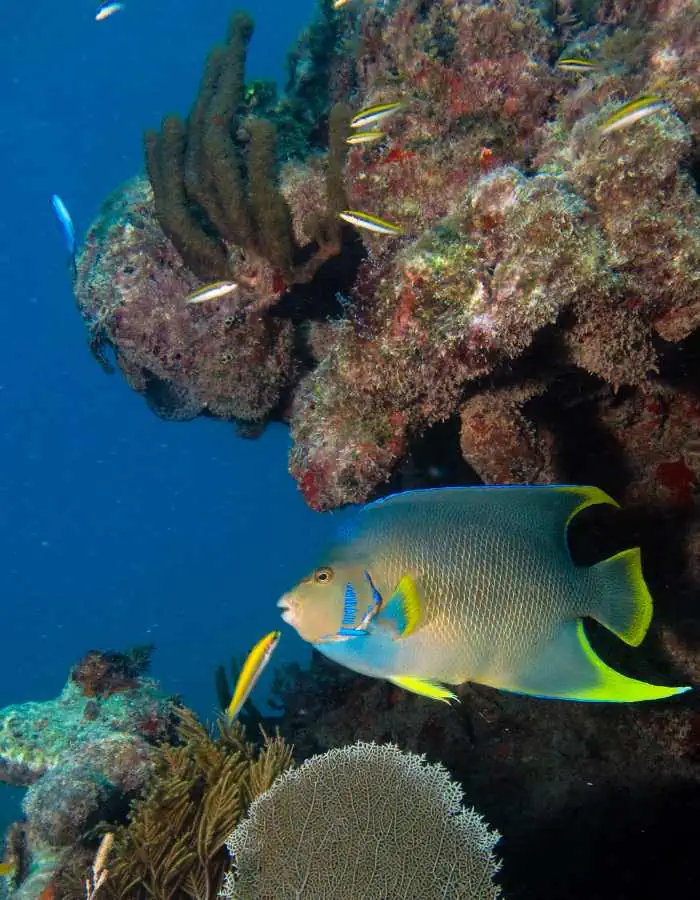
Cozumel is known for being a diver’s paradise. It’s part of the Mesoamerican Barrier Reef, the second-largest reef system in the world.
That means incredible biodiversity with towering coral formations, drift dives over endless walls, and everything from tiny toadfish to eagle rays.
Visibility often extends 100 feet or more, so every dive feels cinematic. The currents here do most of the work for you. Instead of kicking hard, you drift along and watch the reef slide by.
The island is also serious about protecting its marine park. There are strict rules about touching coral or feeding fish, and the park rotates site closures to help reefs recover.
As a diver, you get healthy reefs and a chance to see what conservation looks like in action.
Best Time to Dive in Cozumel
You can dive in Cozumel year-round, but some months are better than others.
- December to March: Best weather and calm conditions. Clear skies, flat seas, and perfect visibility. It’s also high season, so expect more divers and higher prices.
- April to June: Still great weather but fewer crowds. Water is warm, prices dip, and reefs are just as beautiful.
- July to October: Hurricane season. You can still dive, but storms can close the port unexpectedly.
- November: Rainy and windy. The port often closes multiple days in a row, so if diving is your main reason to visit, this isn’t ideal.
Quick tip: Don’t stress if you see rain in the forecast. In Cozumel, it usually means a passing shower, not all-day rain. What will cancel dives are high winds, which shut down small-boat operations.
15 Best Dive Sites in Cozumel
Most dives in Cozumel are drift dives. The current carries you along, and the boat meets you where you surface.
It is easy once you get the hang of it, but if you stop mid-dive to look at something, you will need to kick against the current.
Start with mild-current sites if you are new to this style of diving. Once you’re comfortable, it becomes one of the most relaxing ways to dive.
Below are the sites I consider must-dives. I have included what makes each site special, who it is best for, and tips you will not find in quick overviews.
1. Chankanaab Reef
- Depth: 35 – 50 feet (10 – 15 meters)
- Experience Level: Beginner
- Current: Mild
Chankanaab Reef is inside the Cozumel National Marine Park and is one of the island’s most accessible reefs.
The shallow depth and calm water make it perfect if you are learning to dive or just want a low-stress day underwater.
Why it is special: Despite being shallow, the reef is alive with fish, coral, and occasional sightings of turtles and nurse sharks.
The sunlight here is incredible for photography because the light penetrates easily, and colors really pop.
What to watch for: This is a popular site with snorkelers and beginner divers, so you will not be alone. Stick close to your guide to avoid drifting into other groups.
Insider tip: Chankanaab pairs well with nearby Paradise Reef for a two-tank day. It is also a great choice if you have non-divers with you since the onshore park has a beach, restaurants, and a lot to do.
2. Columbia Pinnacles
- Depth: 30 – 98 feet (9 – 30 meters)
- Experience Level: Intermediate to Advanced
- Current: Mild
Columbia Pinnacles is famous for massive coral towers that rise dramatically from the seafloor. Swimming between these structures feels like flying through an underwater canyon.
Why it is special: The pinnacles create a mix of shallower and deeper routes, so you can explore at your own comfort level. Large fish such as grouper and barracuda are common here, and turtles often cruise by.
What to watch for: Navigation can be tricky among the towers, and currents occasionally funnel through tighter sections. Stay close to your guide if you are new to the site.
Insider tip: If conditions are calm, guides sometimes combine this with Columbia Wall for a spectacular two-dive experience.
3. Columbia Shallows
- Depth: 26 – 50 feet (8 – 14 meters)
- Experience Level: Beginner
- Current: Mild
Columbia Shallows is the place for long, easy dives surrounded by colorful coral gardens. It is also one of the best snorkel sites on the island.
Why it is special: The reef is shallow enough to maximize bottom time, and sunlight brings out brilliant colors in the coral and fish.
Families love this site because snorkelers and divers can explore the same area at different depths.
What to watch for: Because it is easy to access, Columbia Shallows can be crowded, especially when multiple boats arrive at once.
Insider tip: This site is fantastic for underwater photography. The clear, shallow water means you can capture natural light without artificial strobes.
4. Columbia Wall
- Depth: 60 – 120 feet (18 – 36 meters)
- Experience Level: Intermediate to Advanced
- Current: Varies
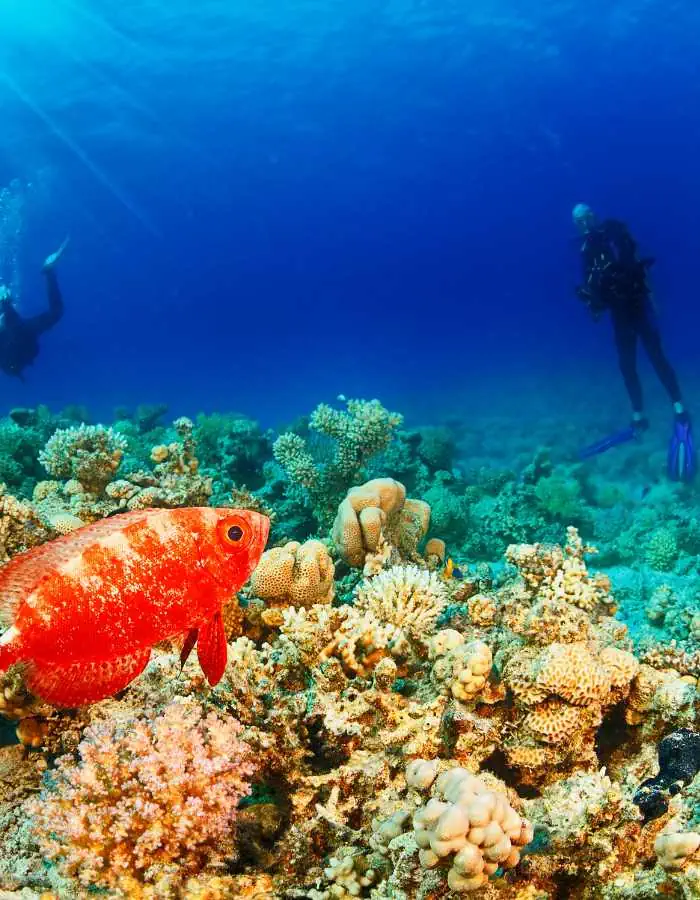
Columbia Wall is one of Cozumel’s most dramatic dive sites. The reef drops into the blue, with huge sponges, overhangs, and cracks that shelter everything from parrotfish to eagle rays.
Why it is special: The sense of scale here is unmatched. You feel tiny swimming along this vertical wall, with deep blue on one side and coral-covered cliffs on the other.
What to watch for: Depth and current require strong buoyancy control. It is not the site to test new gear or skills.
Insider tip: The wall often has mild currents at depth but can speed up near the top. Plan your ascent along the wall rather than drifting off into open water.
5. C-53 Shipwreck (Felipe Xicoténcatl)
- Depth: 50 – 98 feet (15 – 30 meters)
- Experience Level: Intermediate to Advanced
- Current: Moderate
The C-53 is a sunken minesweeper intentionally placed to form an artificial reef. Over two decades later, it is covered in coral and home to schools of fish.
Why it is special: Few wreck dives in the Caribbean are this accessible. The structure has open corridors and rooms to explore, and it attracts everything from angelfish to groupers.
What to watch for: Inside the wreck, silt can reduce visibility if disturbed. Stay streamlined and avoid touching surfaces.
Insider tip: Bring a light to explore interior spaces. Look for arrow crabs and banded coral shrimp hiding inside.
6. Palancar Caves
Depth: 30 – 90 ft (9 – 27 m)
Experience Level: Intermediate to Advanced
Current: Mild to Moderate
Palancar Caves offers swim-throughs, tunnels, and arches formed by coral over thousands of years. It feels adventurous but still offers plenty of open water above you.
Why it is special: Light filters dramatically through the overhead structures, creating a surreal diving experience. Marine life includes turtles, barracudas, and countless reef fish.
What to watch for: The caves are not true overhead environments, but they require comfort in confined spaces and solid buoyancy to avoid bumping coral.
Insider tip: This is a favorite site for photographers. Plan your dive for mid-morning when the sun angle lights up the swim-throughs.
7. Palancar Reefs
- Depth: 30 – 120 feet (9 – 36 meters)
- Experience Level: Beginner to Intermediate
- Current: Mild to Strong
Palancar is not just one reef but a collection of four main sections: Gardens, Horseshoe, Bricks, and Caves. Each has different features, from gentle slopes to dramatic drop-offs.
Why it is special: The reefs are healthy and massive. You could spend an entire week diving only Palancar and never see it all.
What to watch for: Conditions vary between sections. Gardens is best for beginners, while Bricks and Horseshoe have stronger currents and deeper walls.
Insider tip: Ask your dive shop which Palancar site they plan to visit that day so you can match it to your skill level.
8. Paradise Reef
- Depth: 32 – 59 feet (10 – 18 meters)
- Experience Level: Beginner
- Current: Moderate
Paradise Reef is close to the cruise port, making it easy to reach. It is especially famous for night diving.
Why it is special: At night, the reef transforms. Octopuses, lobsters, and bioluminescent organisms come out, offering a completely different experience than daytime dives.
What to watch for: Because of its location, Paradise can get crowded. If you want a quieter dive, book early morning or night dives.
Insider tip: Bring a flashlight with a red filter at night to spot creatures without startling them.
9. Paso del Cedral
- Depth: 30 – 60 feet (9 – 18 meters)
- Experience Level: Intermediate to Advanced
- Current: Mild to Moderate
Paso del Cedral is known for lively fish action and occasional nurse sharks resting under ledges.
Why it is special: Schools of grunts, snappers, and angelfish gather here. The terrain mixes coral heads with sandy patches, perfect for spotting rays.
What to watch for: The current can vary. Stay close to your group, especially if multiple dive boats are in the area.
Insider tip: Look inside crevices for splendid toadfish, a species unique to Cozumel.
10. Punta Sur Reef
- Depth: 90 – 130 feet (27 – 39 meters)
- Experience Level: Advanced
- Current: Varies
Punta Sur is famous for “The Cathedral,” a massive swim-through shaped like a church dome.
Why it is special: The site’s depth and dramatic formations make it one of Cozumel’s most challenging and rewarding dives. You may see reef sharks, eagle rays, and large groupers.
What to watch for: Strong currents and deep profiles make this dive suitable only for experienced divers.
Insider tip: Plan this dive for calm weather, as conditions at Punta Sur can change fast.
11. Punta Tunish
- Depth: 50 – 130 feet (15 – 39 meters)
- Experience Level: Advanced
- Current: Strong
Punta Tunich is one of Cozumel’s fastest drift dives. You will fly past sloping coral ridges with big schools of fish overhead.
Why it is special: The current brings nutrient-rich water, which attracts eagle rays and large pelagics.
What to watch for: It is easy to blow past points of interest here. Stay aware of your depth and use hand signals with your buddy to regroup.
Insider tip: Keep your eyes on the sand patches for southern stingrays buried beneath.
12. San Clemente
- Depth: 30 – 98 feet (9 – 30 meters)
- Experience Level: Intermediate
- Current: Mild
San Clemente is quieter than many other sites, making it ideal if you prefer relaxed dives without boat traffic.
Why it is special: Small coral heads dot the sandy bottom, perfect for spotting macro life like nudibranchs and juvenile fish.
What to watch for: It lacks the towering formations of Palancar or Columbia, but the subtle details are worth slowing down to notice.
Insider tip: Bring a macro lens if you are into photography. This is where you’ll see some of the rarest critters.
13. San Francisco Shallows
- Depth: 15 – 30 feet (4.5 – 9 meters)
- Experience Level: Beginner
- Current: Mild
San Francisco Shallows is perfect for training dives or a calm first dive of the trip.
Why it is special: Bright coral gardens in shallow water mean long bottom times and great light for photos.
What to watch for: Because it is shallow and easy, you may see multiple dive classes here.
Insider tip: Excellent spot for snorkeling if you are traveling with non-divers.
14. Santa Rosa Wall
- Depth: 50 – 130 feet (15 – 39 meters)
- Experience Level: Intermediate to Advanced
- Current: Strong
Santa Rosa Wall is iconic. My first dive here was terrifying because of the drop-off, but it is also one of the most breathtaking walls in Cozumel.
Why it is special: The wall is covered with giant sponges and coral, and turtles are common. Look out into the blue for eagle rays.
What to watch for: The wall’s depth and current demand solid buoyancy. It is easy to descend deeper than planned if you are not careful.
Insider tip: Stay close to the wall for better reference and less chance of drifting out into open water.
15. Tormentos
- Depth: 50 – 60 feet (15 – 18 meters)
- Experience Level: Intermediate to Advanced
- Current: Moderate to Strong
Tormentos means “storms” in Spanish, which tells you something about the current here. It is lively, colorful, and full of fish action.
Why it is special: Expect to see schools of grunts, sponges, and plenty of reef fish. It is an energetic dive that never feels boring.
What to watch for: The current can shift mid-dive, so stay aware and close to your guide.
Insider tip: Pair this with San Francisco Shallows for a perfect two-tank day with one high-energy dive and one mellow drift.
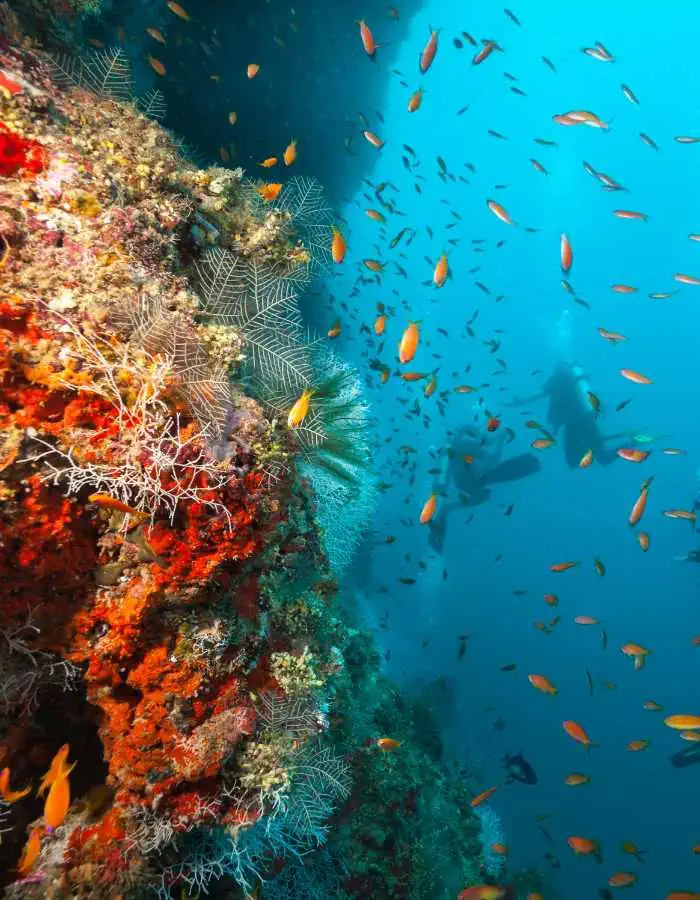
What You’ll See Diving in Cozumel
Cozumel’s reefs are alive year-round, and every season brings different highlights. Expect colorful coral, tons of tropical fish, and a few surprises if you time your trip right.
Year-Round Marine Life
You will almost always see:
- Parrotfish, angelfish, and butterflyfish grazing on the reef
- Schools of snappers and grunts hanging in the current
- Moray eels peeking from crevices
- Barracudas cruising overhead
- Hawksbill and loggerhead turtles
- Spotted eagle rays gliding past
- Groupers and queen triggerfish
- Splendid toadfish, a species found only in Cozumel (look under ledges)
Seasonal Visitors
- Spring (March–June): Nurse sharks and blacktip sharks are more common. Splendid toadfish sightings peak during this season.
- Summer (July–September): Turtle nesting season. If you are lucky, you might see hatchlings making their way to the sea at night.
- Fall (October–December): Octopuses and lobsters become more active as water temperatures drop slightly.
- Winter (January–February): Eagle rays migrate in and are often seen in groups, especially near the northern reefs.
Rare but possible: Crocodiles do live in Cozumel’s lagoons, but they almost never venture into dive sites. It is extremely unlikely to see one underwater.
Cozumel’s Best Dive Shops
It seems like Cozumel has a million dive shops. It’s overwhelming. The good news is there are many, many great dive operators, so it’s pretty hard to go wrong.
Still, you don’t want to just pick one at random. These are the shops I’ve used myself or that come very highly recommended.
- Aldora Divers
- Dive With Martin
- Island Divers Cozumel
- ScubaJuan Cozumel
- Chili Charters
- Blue Angel Resort
Be sure to join one or more of the Cozumel diving groups on Facebook. I particularly like Cozumel Scuba Diving Friends. It’s very helpful and informative.
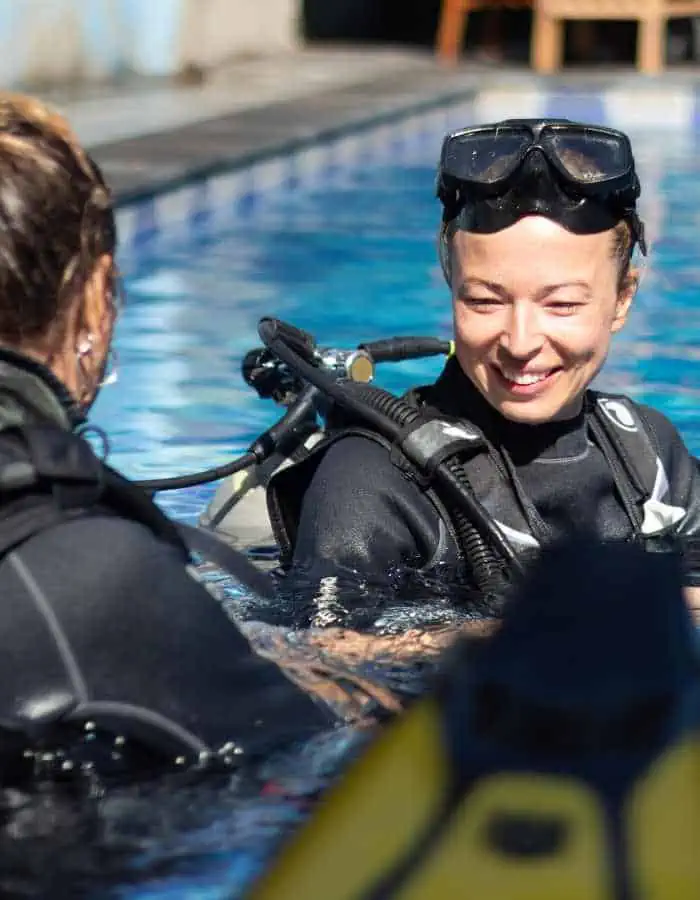
Learn to Scuba Dive in Cozumel
If you have never dived before, Cozumel is one of the best places to learn. Calm reefs, warm water, and excellent instructors make it a stress-free experience.
Discover Scuba Courses
For those new to scuba diving, Discover Scuba Diving courses are a great way to begin.
These introductory courses are designed for beginners without any prior experience. They typically include:
- A brief theory session covering the basics of scuba diving.
- A pool or confined water session to get comfortable with the diving equipment and basic underwater skills.
- An open water dive, where you can experience the beauty of Cozumel’s underwater world under the guidance of a certified instructor.
Open Water Diving Certification
Many visitors choose to complete their open water diving certification in Cozumel. The island’s dive shops offer full certification courses, which include:
- Comprehensive dive theory lessons.
- Confined water dives to practice skills.
- Four open water dives to apply what you’ve learned and explore the reefs.
Open Water Referral
It’s common for people to start their certification process at home, completing the theoretical part of the course online or through a local dive shop.
They then complete their open water dives in Cozumel, taking advantage of the island’s excellent dive sites and conditions.
Advanced Diving Courses
Already certified? Cozumel is a great place to advance your skills:
- Advanced Open Water Diver: A course to expand your diving knowledge and experience. It includes deep diving, underwater navigation, and three other specialty dives of your choice.
- Specialty Courses: These focus on specific aspects of diving, like underwater photography, night diving, or wreck diving.
- Rescue Diver and Dive Master courses for those looking to take their diving to a professional level.
Choosing a Dive School
Cozumel is home to numerous reputable dive schools. When choosing where to learn look for PADI or SSI certified dive centers, as they adhere to internationally recognized training standards.
Consider shops that offer small class sizes for a more personalized learning experience. Also be sure to check reviews and get recommendations from other divers.
Here are some dive shops that have great reputations for training.
(Note that I haven’t taken any courses from these dive shops. But I’ve gathered information from many divers in Cozumel, and these are the shops most highly recommended.)
Cozumel Dive Academy
Courses Offered:
- Discover Scuba Diving
- Open Water Diver
- Open Water Referral
- Advanced Open Water Diver
- Rescue Diver
- Master Scuba Diver
- Technical Courses
- Various Specialities
Scuba Life Cozumel
Courses Offered:
- Discover Scuba Diving
- Open Water Diver
- Open Water Referral
- ReActivate-Scuba Refresher
- Adventure Diver
- Advanced Open Water Diver
- Rescue Diver
- Master Scuba Diver
Where to Stay: Dive-Focused Resorts
Staying at a dive resort can make life easier. They handle your gear, have on-site piers, and often package dives with your room rate.
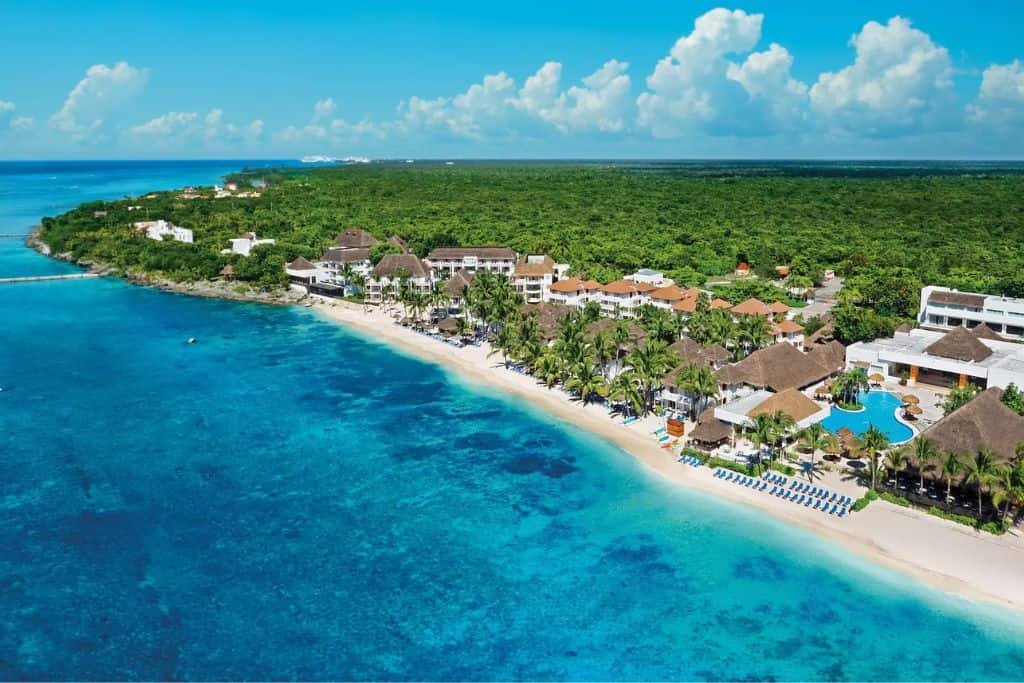
Recommended Dive Resorts in Cozumel:
Blue Angel Resort
Blue Angel seems to have everything, including a highly-rated dive shop, nice rooms, great service, and excellent food. Plus, all the rooms have a balcony and ocean view.
They have an on-site dive shop with boats leaving from their own pier. They also have a dive school.
Scuba Club Cozumel
As a dedicated dive resort, Scuba Club Cozumel focuses heavily on providing a complete dive experience.
With its own pier and custom dive boats, it offers easy access to Cozumel’s top dive sites.
Allegro Cozumel
Allegro Cozumel is favored by divers for its comprehensive dive packages and proximity to some of the best dive sites.
It also offers family-friendly amenities, making it suitable for divers traveling with non-diving companions or family members.
Dive Safety and Hyperbaric Chambers
Cozumel is one of the safest places in Mexico to dive, partly because it is prepared for emergencies.
- The island has multiple hyperbaric chambers for treating decompression sickness.
- Dive operators are trained in emergency protocols and carry oxygen on board.
- Medical clinics and hospitals are experienced in handling dive-related issues.
Responsible Diving: Eco-Friendly Practices in Cozumel
Cozumel’s reefs are protected for a reason. They are some of the healthiest in the Caribbean, and a big part of that comes down to how seriously the island takes conservation.
Both divers and operators are expected to follow strict rules to keep the reef thriving for future generations.
Cozumel’s Conservation Efforts
Marine Park Regulations
Cozumel’s Marine Park Authority enforces rules designed to protect coral and marine life. You cannot touch or stand on the reef, feed fish, or anchor on coral.
Fishing is also restricted in park boundaries. These rules might sound strict, but they are what keep the reefs looking so healthy.
Coral Reef Restoration Programs
Several dive shops and local groups work together on coral restoration. Volunteers help with coral planting, monitoring growth, and rehabilitating damaged areas.
These programs give divers a way to contribute directly to reef health rather than just observe it.
Dive Site Rotation System
The marine park rotates which sites are open to divers at any given time. This allows heavily visited areas to rest and recover.
If a site you want to dive is temporarily closed, it is not a bad thing. It means the reef will be in better shape when it reopens.
For updates, check the Cozumel Reefs National Park Facebook page before your trip.
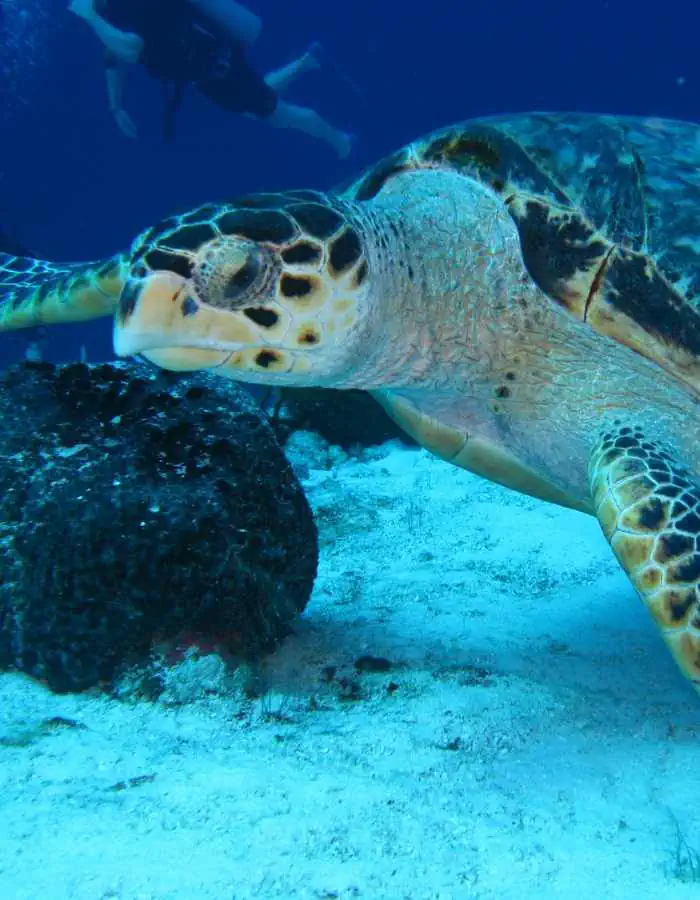
Getting to Cozumel and Getting Around
Cozumel is very easy to get to. You have several options:
By Air: Cozumel International Airport (CZM) welcomes flights from major cities in the USA, Canada, and Mexico. Direct flights are available from several locations, making it a convenient option.
From Cancun: If you’re flying into Cancun, you can take a bus or private transfer to Playa del Carmen, followed by a ferry to Cozumel. This route is sometimes much cheaper than flying directly into Cozumel.
From Tulum: The new Tulum International Airport, also known as Felipe Carrillo Puerto International Airport (TQO), opened in December 2023. It’s pretty easy to get to Cozumel from Tulum, so this adds a nice alternative.
From Playa del Carmen: Taking a day trip to Cozumel is easy. Simply hop on the ferry and you’ll be in downtown San Miguel in less than an hour.
Cruise Ships: Cozumel is a popular stop for Caribbean cruises.
Getting Around in Cozumel
Once on the island, getting around is straightforward:
Rentals: Renting a car is a popular option for those who want the freedom to explore the island at their own pace. There are several rental agencies near the ferry dock and airport.
While you’ll see hundreds of people on scooters, I don’t recommend you rent one. There are far too many bad accidents involving scooters.
Taxis: Taxis are readily available and can take you to most places on the island. Always agree on the fare before starting your journey.
Note that Cozumel does not have any rideshare options such as Uber or Lyft. Also, you can’t get a taxi at the airport. You’ll need to take a shared or private shuttle.
Frequently Asked Questions: Cozumel Diving
Does Cozumel have good scuba diving?
Yes. Cozumel is one of the top dive destinations in the world, with crystal-clear water, healthy reefs, and sites for all levels.
What do you see when diving in Cozumel?
Expect colorful coral, turtles, eagle rays, and the famous splendid toadfish. Nurse sharks are common, and during winter you may see migrating eagle rays.
Do you need a wetsuit to scuba dive in Cozumel?
Water temperatures are warm, but many divers wear a 3mm wetsuit for sun protection and comfort during multiple dives.
Can you scuba dive in Cozumel without being certified?
Yes. Discover Scuba Diving courses let you try diving with an instructor. For full certification, you need an Open Water course.
Is scuba diving in Cozumel safe?
Generally, yes. Dive operators follow strict safety protocols, and the island is equipped with hyperbaric chambers and medical services for emergencies.

Wrap-Up: Cozumel Diving
Cozumel is a world-class diving destination for a reason. The reefs are healthy, the water is clear, and the variety of dive sites means you can come back year after year and always find something new.
Between dives, there is plenty to do on land with great food, beaches, and a relaxed island vibe.
Every dive I have done here has shown me something different. I still have a bucket list of what I want to see, including a seahorse, a hammerhead, and the splendid toadfish. That is part of what keeps me coming back.
Related Posts
- Best Tours For Scuba Diving in Cancun
- Cancun or Cozumel: Which is Better for Your Vacation?
- Best Beach Bars in Cozumel
- Best Places to Snorkel in Cozumel
- Best Snorkel Tours in Cozumel
- Best Tequila Tours in Cozumel
- Cozumel vs. Playa del Carmen: Which is Better?
- Cozumel vs. Isla Mujeres: Which is Better?
- Is Cozumel Safer Than Cancun?
Pro Tips for Your Mexico Trips
Do I need travel insurance?
YES. No matter when you visit Mexico, don’t forget to buy travel insurance. It’s a small price to pay for peace of mind. If you need it once it will pay for itself many times over. I highly recommend Safety Wing. They have a proven track record for customer satisfaction and a variety of coverage levels.
Is it safe to rent a car in Mexico?
YES. Renting a car in Mexico is not only safe, but it’s a great way to explore. Discover Cars is hands down the best rental car company. They check international and local companies to get you the best rates.
Will my phone work in Mexico?
Maybe — It depends on your company, so check with your provider. If you don’t have free service in Mexico, the least expensive option is to buy a Telcel SIM card. As Mexico’s largest carrier, Telcel has the best coverage of any Mexico SIM Cards. I have one and it’s been a lifesaver.
You can also get an eSIM. Airalo has coverage in over 200 countries/regions, including Mexico.
What’s the best way to book my Mexico accommodations?
For Mexico hotels, Booking.com is the best site, but for hostels, check out Hostel World. If you’re considering a Mexico Airbnb, don’t forget to check VRBO, which is often cheaper with more options.
What do I pack for Mexico?
My Mexico packing list has all the info you need on packing for your trip to Mexico.
What’s the best site for great deals on flights to Mexico?
For finding cheap Mexico flights, I recommend using Skyscanner.
Do I need a visa for Mexico?
Probably Not. U.S., Canadian, and most European passport holders don’t need a visa for Mexico. To verify if you’ll need a Mexico travel visa check the Mexican Consulate’s website.
For assistance with all your worldwide visa questions, check out iVisa.
