
Cozumel Pronunciation – How to Sound Like a Local
Are you trying to figure out the correct way to pronounce Cozumel? Is it Coo-za-mel? Co-zo-mel? Caw-za-mel? I feel you. I’ve spent more time than I care to admit not knowing how to pronounce the names of cities I’ve visited!
Here’s the short answer on Cozumel pronunciation:
There are actually two ways Cozumel is usually pronounced. The locals say “kosu-mel.” That’s because Z in Spanish sounds like an S.
English speakers will usually say “kaw-zoo-mel.”
Obviously, the Spanish Cozumel pronunciation is the correct one. It is their city after all. But you’ll hear the English pronunciation just as often.
I’ve been living in Cozumel since 2022, and while my Spanish is still a work in progress, I’ve picked up some tips to help you nail the Cozumel pronunciation and sound less like a gringo when you’re here.
And no, I’m not just talking about knowing how to order a margarita, although that’s a skill worth mastering too!
Let’s start with a quick overview of Spanish to get the basics down. Then, we’ll move on to some insider tips on how to sound more like a local.
I’ll also share some of the best ways to learn Spanish that have helped me along my journey.
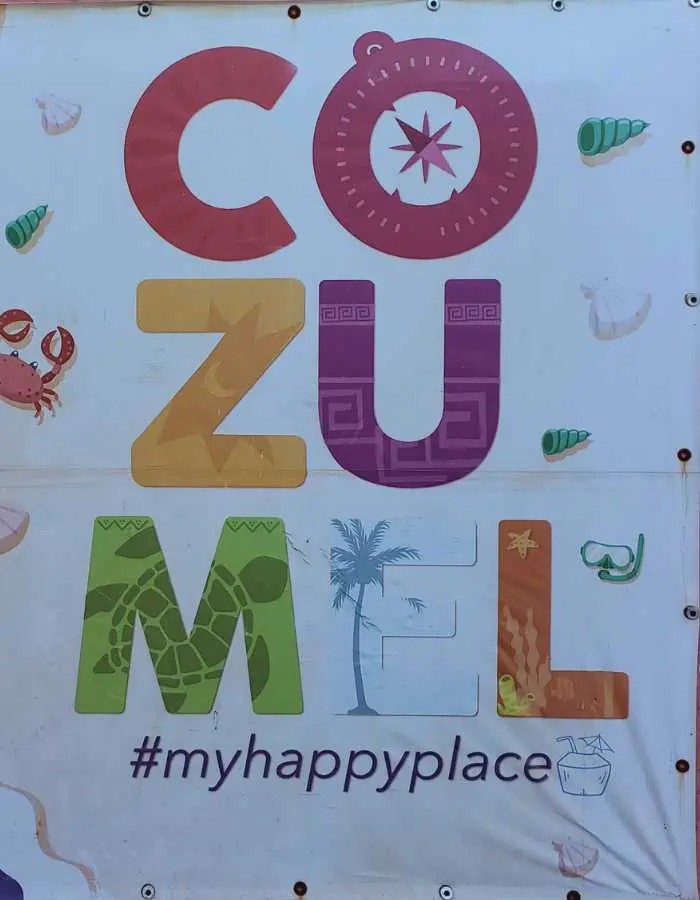
Cozumel Pronunciation
To make this much easier for you, listen to it here:

Also, check out SpanishDictionary.com. You can actually hear the Spanish and English versions of the word Cozumel.
Quick Overview of Spanish
Spanish is one of the most widely spoken languages in the world, and it’s the go-to language for many countries in Latin America and, of course, Spain.
But if you don’t remember any of your high school Spanish, don’t worry. At its core, Spanish is a phonetic language, which means it’s generally spoken the way it’s written. That’s a big win for us learners!
The Alphabet
Spanish uses the Latin alphabet, just like English. But here’s the kicker: It has a few extra letters and sounds that you won’t find in English. Ever heard of “ñ”? Yeah, that’s one of them.
Vowels and Consonants
Spanish vowels are pretty straightforward. There are only five, A, E, I, O, U, and they’re always pronounced the same way.
Consonants can be a bit trickier, but once you get the hang of them, you’re good.
Accents
These little marks are game-changers. In Spanish, an accent can completely alter the meaning of a word.
Take “papa” and “papá” as an example.
The first one means “potato,” while the second one means “dad.” Yep, you read that right. A single accent mark can be the difference between calling someone a spud or acknowledging them as your parent.
Accents also serve another crucial role: they tell you which syllable to stress when you’re speaking. For instance, in “teléfono,” the accent on the ‘e’ tells you to put the emphasis there: te-LÉ-fo-no.
If you get the stress wrong, not only will you sound like a gringo, but you might also confuse your listener.
Also, make sure you know how to pronounce the “ñ” sound. Trust me, the last thing you want is to mix up “año” (year) with “ano” (anus). Hop back over to SpanishDictionary.com to hear the difference.
Masculine and Feminine Words
Spanish is a gendered language, meaning that nouns are either masculine or feminine. For example, “el libro” (the book) is masculine, while “la mesa” (the table) is feminine.
Usually, words ending in “-o” are masculine, and words ending in “-a” are feminine. But hold on, there are exceptions! Words like “el mapa” (the map) are masculine even though they end in “-a.”
And then you have “la mano” (the hand), which is feminine despite ending in “-o.” So, while there are general rules, there are also exceptions that you’ll learn along the way.
Rolling Your Rs
One of the signature sounds in Spanish is the rolled R. It’s a sound that doesn’t exist in English, but don’t worry, with a bit of practice, you’ll get it.
Okay, maybe you’ll need a LOT of practice. I can roll my Rs only when they’re in certain places in words.
How to Sound More Like a Local
Sure, you’ve got the basics of Spanish down, but sounding like a local takes more than just knowing your “hola” from your “adiós.”
During my years in Cozumel, I’ve picked up some invaluable tips that have helped me blend in. Or at least not stick out like a sore thumb quite as much.
Here’s how you can do it too.
The Art of Rolling the Rs
Let’s start with the infamous rolled R. It’s not just an R; it’s an event. In Spanish, you have the single rolled R and the double R, also known as “rr.” The single roll is quick, like in “pero” (but). The double R, found in words like “perro” (dog), requires a more extended roll.
It’s a sound that doesn’t exist in English, so it can be tricky. But it’s also a dead giveaway that you’re not a local if you can’t master it. Practice by saying words like “carro” (car) and “arriba” (up) until you get that roll down.
Slang: The Secret Language of Locals
Every place has its own lingo, and Cozumel is no exception. For example, while “cool” in standard Spanish might be “guay,” in Cozumel, you’re more likely to hear “chido.”
These local slang words are like a secret handshake—they instantly make you part of the club. So, listen out for them and sprinkle them into your conversations.
Here are some more slang words commonly used in Mexico:
- Chido: As mentioned earlier, “chido” is the Mexican way of saying something is cool or awesome.
- Güey: Pronounced like “way,” this term is similar to “dude” or “bro.” Use it cautiously, though, as it’s informal and best suited for friends.
- Chamba: This is a casual way to refer to work or a job. For example, “Tengo que ir a la chamba” means “I have to go to work.”
- Cuate: This term is used to refer to a close friend. It’s similar to “buddy” in English.
- Chilango: This is a term used to describe someone from Mexico City. It’s not derogatory, but it’s best to know your audience before using it.
- Chido Tu Cotorreo: This phrase is a longer form of “chido” and is used to say that someone is a good talker or that the conversation is enjoyable.
- Estar Crudo: After a night of too many margaritas, you might “estar crudo,” which means to be hungover.
- Neta: This term is used to ask if someone is serious. For example, “¿Neta?” is like saying, “Really?”
- Chingón: This is a strong term used to describe someone who is very good at what they do. However, be cautious with this term as it can be considered vulgar in some contexts.
- Bronca: This word is used to describe a problem or conflict. For example, “Tengo una bronca” means “I have a problem.”
- Jefe/Jefa: Literally meaning “boss,” these terms are often used to refer to one’s parents.
Remember, slang can be very regional and context-specific. Always be aware of your audience and setting before throwing these terms around.
But once you get the hang of it, using local slang can make you feel more like a part of the community.

The Power of Observation: Listen and Mimic
You can learn a lot just by being a good listener. Pay attention to the locals and how they stress certain syllables, the flow of their sentences, and even their body language.
Try to mimic this as much as possible. Sure, language apps are great for structured learning, but real-world immersion is where the magic happens.
Navigating Formalities: The ‘Usted’ and ‘Tú’ Conundrum
In Spanish, the way you address someone can say a lot about your relationship with them.
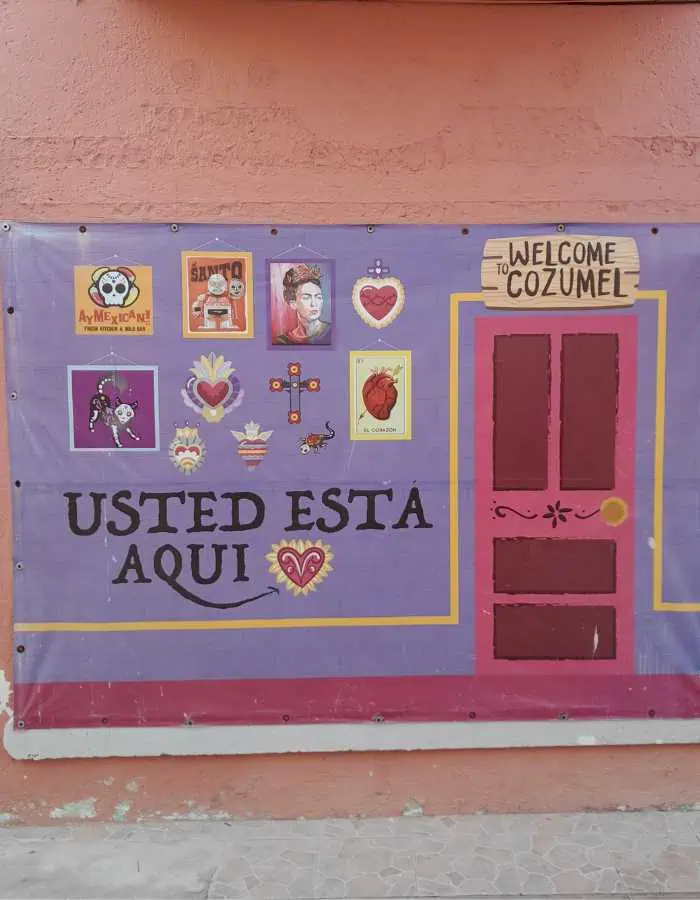
“Usted” is the formal way to say “you,” and it’s often used in professional settings or with people who are older than you.
“Tú,” on the other hand, is informal and used among friends and peers. Knowing when to switch between the two can be a subtle but powerful way to fit in.
Best Ways to Learn Spanish
So you’ve got the basics and you’re ready to dive deeper. But what’s the best way to actually learn Spanish?
Trust me, I’ve been in your shoes, and while I’m still on my own learning journey, I’ve found some strategies that have made a world of difference. Here’s how you can level up your Spanish game.
Language Apps
Apps like Duolingo, Babbel, and Rosetta Stone offer a structured way to learn. They’re great for beginners and can help you build a solid foundation. But remember, they’re just a starting point. To really master Spanish, you’ll need more than just screen time.
I’ve personally used both Babbel and Rosetta Stone. They’re both good, but if I had to choose just one, I’d go with Babbel. It’s more mobile, so I can get lessons in while I’m waiting in line, on a bus, or pretty much anywhere.
Rosetta Stone has a mobile option, but it’s hard to read on a small screen and it’s just not as mobile-friendly.
Of course, Google Translate is a must-have. I love the lens option to convert written text to English.

Immersion: The Fast Track to Fluency
There’s no substitute for immersing yourself in a Spanish-speaking environment. Whether it’s a study-abroad program or just living in a Spanish-speaking country like me, immersion is the fast track to fluency.
You’ll be forced to use the language in real-world situations, which is the best way to learn.
Although, to be honest, nearly everyone in Cozumel speaks English, so I’m not forced to use Spanish most of the time. While I was living in a small neighborhood in Cancun outside the tourist areas, I found I needed to speak Spanish a lot more.
Find Conversation Partners
Find a native speaker to practice with. It could be a friend, a family member, or even a language exchange partner you find online. The key is to practice speaking as much as possible.
You’ll learn colloquial expressions, improve your accent, and gain confidence in your speaking abilities.
Take a Class
Sometimes, you need a bit more structure. Taking a Spanish class can provide that, along with the accountability of homework and exams.
Look for classes that focus on conversational Spanish and offer plenty of opportunities for speaking and listening.
I’ve found that in-person classes work best for me. I took two online Spanish classes and it was too easy to rely on my books for everything.
Flashcards
Don’t underestimate the power of flashcards. Whether it’s physical cards or an app like Anki, flashcards can help you memorize vocabulary and essential phrases. Make it a habit to review them daily.
I’ve been using FlashQuiz on my laptop. It’s free and easy to make flashcards, move them into different categories, and practice.
The only problem with FlashQuiz is that the cards aren’t also available on my phone.
Podcasts and Videos
Podcasts and YouTube videos are excellent resources for learning Spanish. You can listen to them while you’re doing other things, like driving or working out. Choose content that interests you, so you’re more likely to stick with it.
I love the videos with songs. It makes it easier to remember the day of the week when they’re in a song. Here are my favorites:
Alphabet: This is my favorite song for learning how to pronounce each of the words. It’s catchy and fun. I actually sing it all the time.

Days of the Week: Sometimes I have to sing this song to remember which is Friday and which is Saturday.

Numbers: I have a serious block when it comes to numbers in Spanish. This video helps, although to be honest, I have to slow down the speed.
Still, I love this guy. Who knew you could look so cool, excuse me, chido, when counting?
![Count to 1000 in Spanish with BASHO & FRIENDS - [Viewer's Choice]](https://digitalnomadandadog.com/wp-content/plugins/wp-youtube-lyte/lyteCache.php?origThumbUrl=https%3A%2F%2Fi.ytimg.com%2Fvi%2FYidnh5oOEEM%2F0.jpg)
Read, Read, Read
Pick up Spanish books, newspapers, or even children’s stories to expand your vocabulary. Start with simpler texts and work your way up to more complex material. The more you read, the better your comprehension will become.
Watch TV Shows and Movies in Spanish
Let’s talk about one of the most enjoyable ways to learn Spanish: watching TV shows and movies.
This method is not just entertaining; it’s incredibly effective for several reasons.
TV shows and movies provide you with real-life dialogues. You get to hear how people actually talk, not just textbook sentences. This helps you understand conversational pacing, slang, and even regional accents.
Listening to fast-paced dialogue can be challenging, but it’s excellent practice. With time, you’ll find that you can understand more and more. Many streaming services offer subtitles, so you can read along if you miss something.
Understanding a language isn’t just about words; it’s about culture too. Shows and movies can give you insights into cultural norms, humor, and traditions. This can be especially useful if you’re planning to travel or live in a Spanish-speaking country.
Whether you’re into dramas, comedies, or documentaries, there’s something for everyone. Start with simpler shows and work your way up to more complex narratives.
Some popular Spanish-language shows include “La Casa de Papel” (Money Heist), “Narcos,” and “Élite.”
Don’t hesitate to watch your favorite episodes multiple times. Repetition can help reinforce vocabulary and improve your understanding of complex sentences.
I like to watch Harry Potter in Spanish. I’ve seen all the Harry Potter movies roughly 5,987 times so I know the dialogue. It helps to hear the Spanish words when I know what they’re saying in English.
Keep a Journal
Writing regularly in Spanish can help reinforce what you’ve learned. Keep a journal to jot down new words, interesting phrases, or even just your thoughts for the day. It’s a good way to practice and also track your progress.

Wrap-Up: Cozumel Pronunciation
Remember, the key to sounding like you belong is understanding the language and the culture.
And let’s be honest, it’s way more fun to explore Cozumel when you can say it right and speak a bit of the local lingo.
Safe travels, and see you in Cozumel!
Related Posts
- How to Get to Cozumel From Cancun – and Back Again
- Is Cozumel Safe?
- Best Time to Visit Cozumel: Month-by-Month Guide
- Day Trip to Cozumel From Playa del Carmen
- Cancun or Cozumel: Which is Better for Your Vacation?
- Best Beach Bars in Cozumel
- Best All-Inclusive Resorts in Cozumel for Families
- Best Places to Snorkel in Cozumel
- Best Snorkel Tours in Cozumel
- Best Tequila Tours in Cozumel
- Legal Drinking Age in Cozumel: All the Facts
Pro Tips for Your Mexico Trips
Do I need travel insurance?
YES. No matter when you visit Mexico, don’t forget to buy travel insurance. It’s a small price to pay for peace of mind. If you need it once it will pay for itself many times over. I highly recommend Safety Wing. They have a proven track record for customer satisfaction and a variety of coverage levels.
Is it safe to rent a car in Mexico?
YES. Renting a car in Mexico is not only safe, but it’s a great way to explore. Discover Cars is hands down the best rental car company. They check international and local companies to get you the best rates.
Will my phone work in Mexico?
Maybe — It depends on your company, so check with your provider. If you don’t have free service in Mexico, the least expensive option is to buy a Telcel SIM card. As Mexico’s largest carrier, Telcel has the best coverage of any Mexico SIM Cards. I have one and it’s been a lifesaver.
You can also get an eSIM. Airalo has coverage in over 200 countries/regions, including Mexico.
What’s the best way to book my Mexico accommodations?
For Mexico hotels, Booking.com is the best site, but for hostels, check out Hostel World. If you’re considering a Mexico Airbnb, don’t forget to check VRBO, which is often cheaper with more options.
What do I pack for Mexico?
My Mexico packing list has all the info you need on packing for your trip to Mexico.
What’s the best site for great deals on flights to Mexico?
For finding cheap Mexico flights, I recommend using Skyscanner.
Do I need a visa for Mexico?
Probably Not. U.S., Canadian, and most European passport holders don’t need a visa for Mexico. To verify if you’ll need a Mexico travel visa check the Mexican Consulate’s website.
For assistance with all your worldwide visa questions, check out iVisa.
