The Difference Between a Blog and a Vlog: Which Should You Start?
Are you trying to decide between starting a blog or a vlog?
The difference between a blog and a vlog might seem straightforward, but choosing which one to start is a bigger decision than it looks.
Both can grow into successful platforms, but they fit different strengths, personalities, and goals.
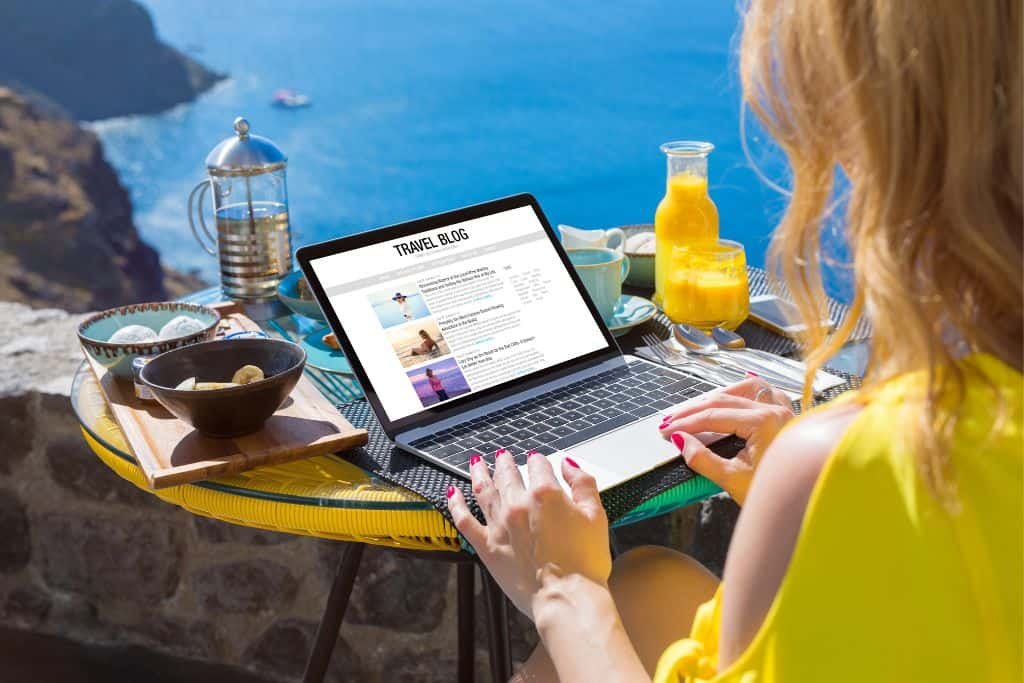
I’ve been running my travel blog for years, and it’s what allows me to work from anywhere. It’s perfect for me, but that doesn’t mean it’s right for everyone.
If you’re weighing your options, here’s what you should know so you can pick the one that’s right for you.
What’s the Difference Between a Blog and a Vlog?
- A blog is written content published on a website.
- A vlog is video content, usually hosted on YouTube or social media.
Both can be personal or professional, and both can help you build an audience and earn money.
Each format comes with its own challenges and benefits, which is why the choice really depends on your skills and preferences.
How to Decide: Blog or Vlog?
The decision isn’t just about whether you prefer writing or filming. It’s about what feels realistic for your lifestyle and what you’ll actually enjoy doing long term.
You’ll also want to think about your audience and how they prefer to consume content.
Ask yourself questions like:
- Are you comfortable speaking on camera, or do you prefer expressing yourself through writing?
- Do you have the time or interest to learn editing software?
- Does your topic work better as a visual demonstration or detailed written guide?
- What’s your long-term goal? Are you aiming for search traffic, sponsorships, building a personal brand, or all of the above?

Key Differences Between Blogging and Vlogging
Content Format
Blogs are primarily written articles, guides, or stories that live on a website. They’re great for evergreen content that people can revisit and share.
Vlogs are video-first, which makes them ideal for storytelling, tutorials, or showing experiences in real time.
A vlog can give viewers a better sense of your personality and lifestyle since they see and hear you directly.
Time and Equipment
Blogging is often cheaper and easier to start. You only need a laptop, internet connection, and basic knowledge of how to set up a website.
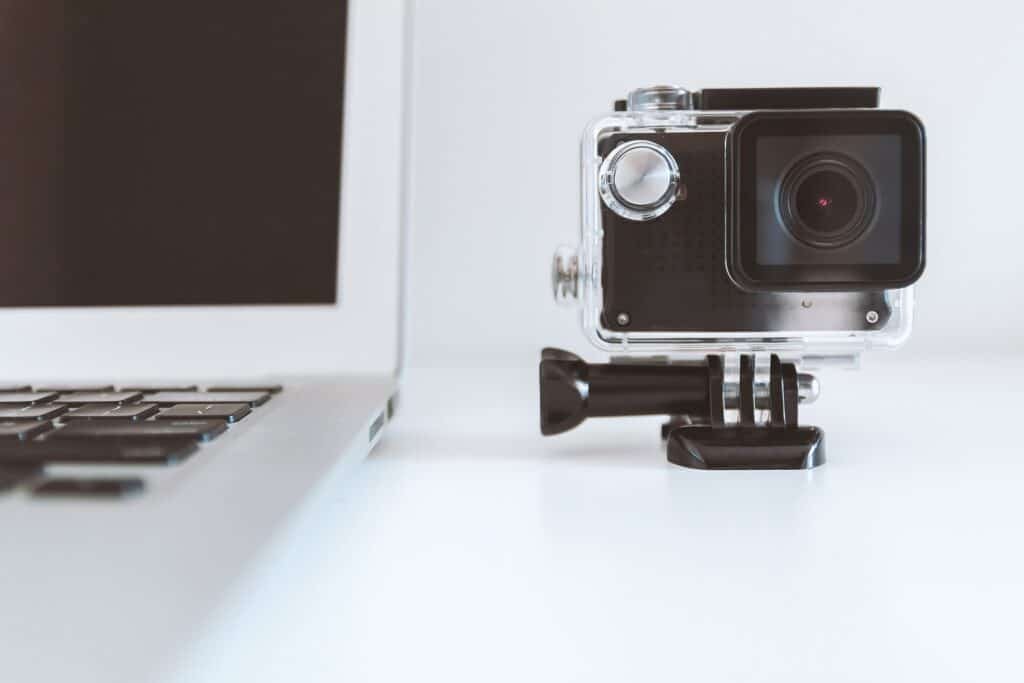
Vlogging requires more gear. Even if you start with your phone, you’ll likely want a tripod, microphone, and good lighting.
Video editing also takes time, and if you want professional-quality videos, you may need to learn more advanced skills.
Skills Needed
Blogging requires strong writing skills and some understanding of SEO so your content can be found on search engines.
Vlogging requires comfort on camera, storytelling, and editing. You don’t need Hollywood-level skills, but you do need to know how to keep viewers engaged for several minutes at a time.
Income Potential
Both blogs and vlogs can earn money, but the income streams are slightly different. Blogs often earn through display ads, affiliate links, and selling digital products like courses or ebooks.
Vlogs typically make money through ad revenue on YouTube, sponsorships, and sometimes merchandise.
Both formats can be profitable, but they require consistency and time to build up an audience.
Pros and Cons of Blogging
Pros
- Easy to start with low upfront costs.
- Flexible to update and edit content anytime.
- Great for introverts or anyone uncomfortable on camera.
- Strong potential for search engine traffic over time.
- Can work from anywhere with a laptop and Wi-Fi.
Cons
- Takes time to build an audience and earn income.
- Requires learning SEO and basic site management.
- Less personal connection compared to video.
- Needs consistent writing and posting to grow.

Pros and Cons of Vlogging
Pros
- Builds personal connection quickly.
- Perfect for showing rather than telling (travel, DIY, tutorials).
- Videos can go viral and grow fast on platforms like YouTube or TikTok.
- Multiple monetization options like sponsorships, ads, and product placement.
Cons
- Requires more time for filming and editing.
- Equipment costs can add up, even if you start simple.
- You need to be comfortable on camera or willing to learn.
- Consistency is key, and missing uploads can slow growth.
Which One Should You Choose?
The right choice depends on your strengths and lifestyle. If you love writing and want to build content that people can find on Google for years to come, start with a blog.
If you love being on camera and want to connect with people in a more personal way, try vlogging.
If you’re not sure, experiment with both. Many creators write blog posts and create companion videos.
It’s extra work, but it gives you the best of both worlds: SEO traffic from your blog and personal connection from your vlog.
How to Start a Blog
Starting a blog is straightforward, but having a clear plan makes the process smoother.
Here’s how to get started:
1. Pick a niche you care about and have some knowledge of. Travel, food, personal finance, or lifestyle can all work if you’re consistent and helpful.
2. Choose a platform. WordPress.org is my top pick because you own your site and have full control. (Don’t confuse it with WordPress.com. It’s the .org one you want.)
3. Get hosting and a domain name. I recommend Lyrical for reliable hosting and support. Choose a simple, easy-to-remember domain name.
4. Set up WordPress and choose a theme. Kadence is a clean, fast, customizable option.
5. Create essential pages like About, Contact, and Privacy Policy.
6. Learn basic SEO. This will help you get traffic from Google without paying for ads.
7. Start publishing helpful content. Focus on solving problems for your readers and keep a regular posting schedule.
8. Promote your blog through social media, Pinterest, or an email newsletter.
I highly recommend starting with a course. I love Jessie Festa’s course, Travel Blog Prosperity. It’s very thorough and the most economical option. Use my discount code DNAAD to get your first month for only $9.
You can read my full review of Travel Blog Prosperity here.
How to Start a Vlog
If you’re more of a talker than a writer, vlogging might be your best fit. It’s perfect if you want to build a personal brand, show behind-the-scenes content, or share experiences in real time.
Here’s how to get started:
1. Choose your niche and format. Will you share daily life, tutorials, reviews, or travel videos?
2. Start with what you have. A smartphone is fine for your first few videos. Add a tripod and external microphone when you can.
3. Create a YouTube channel (or TikTok, Instagram, etc.) and customize it with a banner, profile photo, and description.
4. Learn basic video editing. Free software like DaVinci Resolve works great to start. Keep edits simple but engaging.
5. Upload regularly and use strong titles and thumbnails to grab attention.
6. Engage with viewers. Respond to comments and build a community around your content.
7. Promote your videos on social media to grow faster.
8. Monetize when ready through YouTube’s Partner Program, sponsorships, or selling products.
Vlogging can be more time-consuming than blogging, but it can also grow an audience faster if your content is engaging and consistent.
Wrap-Up: Blogging vs Vlogging
Both blogs and vlogs have the potential to be profitable, and the impact they have on your life and business can be huge.
Choose the format that matches your strengths, your lifestyle, and the way you want to connect with your audience.
If you’re excited to write, start a blog. If you’re drawn to storytelling on camera, start a vlog.
And if you’re unsure, test both. The best format is the one you’ll enjoy creating consistently.
Want to make your blog or vlog into a business? You can! Download this free ebook to learn how.
Frequently Asked Questions: Blogging vs. Vlogging
Which is more time-consuming, blogging or vlogging?
Vlogging can be more time-consuming as you have to record and edit video footage, while blogging mainly involves writing and editing.
Can I make money from blogging or vlogging?
Yes, both can be monetized. Bloggers can make money through advertising, sponsored content, and affiliate marketing. Vloggers can make money through ads, sponsorships, and merchandise.
Which one is more engaging, blogging, or vlogging?
Vlogging is often considered more engaging because viewers can see and hear the person behind the content, making it more personal and relatable.
Can I combine blogging and vlogging?
Yes, many content creators combine both mediums by incorporating videos into their blog posts or writing articles to accompany their videos.
Which is more accessible, blogging or vlogging?
Blogging is generally more accessible as it only requires a computer and an internet connection, while vlogging requires a camera and video editing software.
How does AI affect bloggers and vloggers?
Many bloggers and vloggers utilize artificial intelligence to help them create their content. It’s important to know how to maximize AI’s potential to stay competitive.
Ladies, join my free, private Facebook group, Women Over 50 Digital Nomads. It’s a safe place to connect, learn, and thrive as a digital nomad. You don’t need to be over 50 but you do need to be a woman.
Related Posts
- Best Travel Blogging Courses (Paid and Free!)
- Is Blogging Still Profitable?
- How to start a travel blog without traveling
- Amazing Digital Nomad Blogs You Must Read
- Best Copywriting Blogs Writers Should Follow Now
- How to Successfully Transition Into Copywriting
- Copywriter vs Copy Editor: What’s the Difference?
- Best Digital Nomad Books
- Navigating the World of Digital Nomad Housing
- Digital Nomad Health Insurance – How to Find Affordable Insurance
