Digital Nomad Myths: 10 Things People Still Get Wrong
When most people hear the phrase “digital nomad,” they picture someone lounging on a beach with a laptop, sipping a coconut while money magically flows into their account.
Fun idea, but not exactly reality.
I’ve been living the digital nomad lifestyle for years, and I can tell you it’s one of the most misunderstood ways to live and work.
The freedom is real, but so are the misconceptions. Let’s clear up some of the biggest digital nomad myths people still believe, and what the lifestyle is actually like.
Myth 1: Digital Nomads Are Always on Vacation
This is probably the biggest misconception of them all. From the outside, it might look like nomads are constantly exploring new cities, lounging by the pool, or taking boat trips.
And yes, those things happen, but they’re squeezed in around work.
Most nomads I know spend a good chunk of the day behind their laptops. Deadlines, client calls, and meetings don’t disappear just because you’re in Mexico or Portugal.
I plan sightseeing and activities around my writing schedule. If I have a client project due, that always comes first.
Reality check: Being a digital nomad is working remotely while traveling, not a never-ending vacation.
Helpful tip: If you’re thinking about becoming a digital nomad, practice balancing work and fun at home first. Work from a coffee shop or library and then head out for a hike or day trip. That rhythm is exactly what nomad life feels like.

Myth 2: You Have to Be Young and Single
This is one of those digital nomad myths that refuses to die. People think the lifestyle is only for 20-something backpackers with no commitments.
The truth is nomads come in all ages, stages of life, and relationship statuses.
I became a digital nomad in my 50s. I also run a community of women over 50 who are thriving as digital nomads. (You can join it here.)
Families homeschool their kids while traveling. Couples split their time between different countries. And yes, there are plenty of younger solo nomads too.
Reality check: The digital nomad lifestyle is for anyone willing to adapt their work and life around mobility, regardless of age or marital status.
Helpful tip: If you’re older and worried about fitting in, don’t be. Many destinations have established nomad communities with people of all ages.
Look for Facebook groups or co-working spaces. They’re full of diverse people, not just college grads.
Myth 3: You Need to Be Rich to Start
Some people think becoming a digital nomad requires a huge savings account. While it’s smart to have a financial cushion, you don’t need to be wealthy.
Many people start out with modest budgets and make it work by choosing affordable destinations.
For example, living in Cozumel or Merida, Mexico costs far less than living in most U.S. cities. Rent, food, and transportation are all more affordable.
Add in slower travel, staying in one place for a month or longer, and you’ll save money compared to constantly moving around.
Reality check: It’s less about being rich and more about learning to budget and choose the right destinations.
Helpful tip: Start by comparing the cost of living in potential destinations. Tools like Numbeo or Nomads.com can help, but personal blogs give you a clearer picture of actual daily expenses.
Myth 4: It’s All About Exotic Beaches and Cafes
Yes, the Instagram version of digital nomad life is beaches, hammocks, and cool cafés. But the day-to-day reality is less glamorous.
Many of us work from Airbnbs, co-working spaces, or even at a kitchen table in a rented apartment.
When I lived in Cozumel, I worked plenty of hours from my rental before heading out to snorkel or meet friends.
Reality check: Pretty much no one works from the beach. Sand and laptops don’t mix.
Helpful tip: Don’t worry about working from “picture-perfect” places. What matters most is comfort, Wi-Fi, and minimal distractions. Save the beaches for after work.

Myth 5: Digital Nomads Don’t Have Stability
From the outside, moving from country to country might look chaotic. In reality, most digital nomads create their own version of stability.
That might mean creating a daily routine, finding favorite places to eat, or returning to the same destination every year.
I personally have a rhythm of spending time in Mexico and then returning to Northern California. That back-and-forth feels stable to me, even though I don’t own a house.
Reality check: Stability doesn’t have to mean a permanent address. It can mean consistent routines and communities, even if they’re spread out across the globe.
Helpful tip: If you crave stability, consider slow travel. Staying in one place for months at a time gives you time to settle in, make friends, and feel grounded.
Myth 6: Wi-Fi Is Always a Nightmare
Yes, bad Wi-Fi happens. But digital nomads aren’t helpless; we find solutions. Co-working spaces, cafés, mobile hotspots, and local SIM cards are the backbone of staying connected.
I’ve had video calls from small beach towns in Mexico with no issues at all. Well, there was loud music from the beach club downstairs, but that’s a different problem.
Reality check: Internet access is rarely a dealbreaker if you plan ahead.
Helpful tip: Before booking a stay, ask for a screenshot of the Wi-Fi speed test. Carry a backup hotspot or SIM card. And if you really need rock-solid internet, choose a co-working space or library.
Myth 7: You Have to Be a Tech Wizard or Influencer
This is another big one. People assume digital nomads are either coding in Bali or posting on Instagram all day. The truth is the jobs are as diverse as the people.
I’ve built a business around copywriting and blogging. Others teach English online, do customer service, coach, or run small online shops.
You don’t need to be a tech genius or have a massive social media following to live this lifestyle.
Reality check: If your job can be done remotely, you can be a digital nomad.
Helpful tip: Start by asking yourself: “Can I do my current work from a laptop anywhere in the world?” If yes, you’re already halfway there.
If not, look into freelancing, teaching, or other location-independent jobs. There are lots of job boards that specialize in remote work.
Myth 8: It’s Dangerous to Travel Constantly
This is one of the digital nomad myths I hear most often. People worry that moving around is unsafe, especially in places like Mexico or Southeast Asia.
The truth is every country has safe areas and less safe areas, just like back home. I’ve lived in Cozumel, Cancun, and Campeche and felt completely safe by following local advice, avoiding risky areas, and staying aware of my surroundings.
Reality check: Safety depends more on your behavior and preparation than your location.
Helpful tip: Join local Facebook groups, talk to residents, and do your research before arriving. Most nomads find safety improves when you connect with the local community.
Myth 9: You Can’t Have Pets as a Digital Nomad
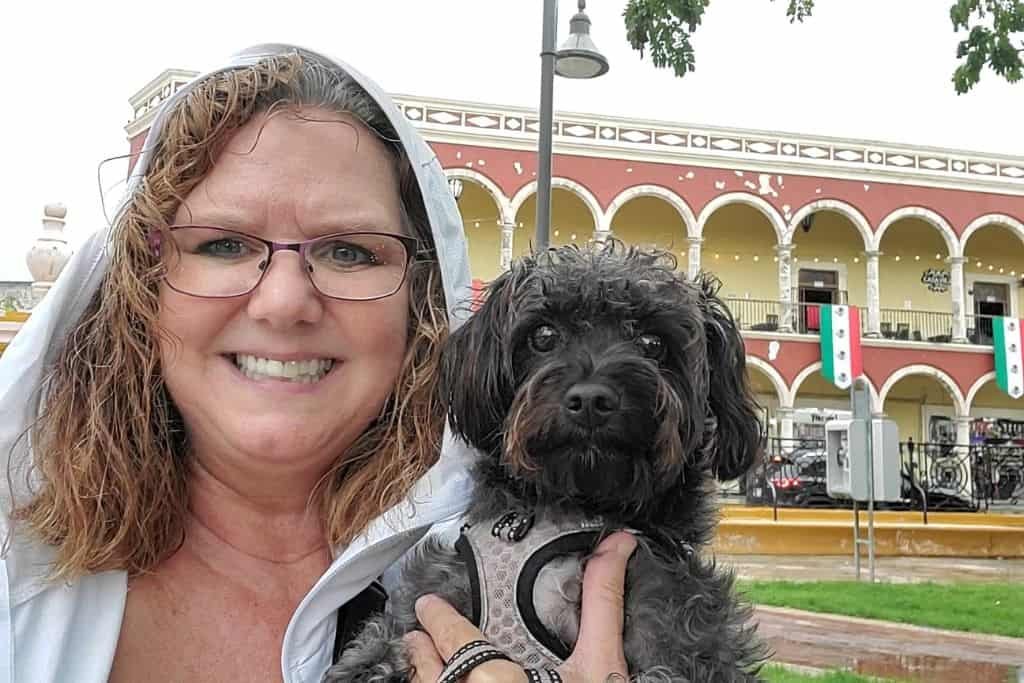
People are always surprised when they find out my dog Shelby travels with me.
Traveling with a pet takes extra planning, understanding airline policies, choosing pet-friendly accommodations, and researching local vets, but it’s absolutely possible.
Shelby has flown internationally, lived in Mexico, and adapted beautifully to nomad life. If anything, having her with me makes this lifestyle even better.
Reality check: Pets can thrive as digital nomads too. Just make sure you choose the best breed for traveling.
Helpful tip: Always check airline and country regulations before traveling. Look for pet-friendly rentals on sites like Airbnb, and join local expat groups where other pet owners share advice.

Myth 10: Digital Nomadism Is Just a Trend
Some people dismiss digital nomadism as a passing fad. The reality is remote work is growing, not shrinking.
Companies are more open than ever to hiring remote employees. Entire communities are being built for digital nomads in places like Mexico, Portugal, and Thailand.
Reality check: This lifestyle isn’t going away, it’s evolving.
Helpful tip: If you’re on the fence, know that you’re not too late. The opportunities for remote work are still expanding, and digital nomad communities are more supportive than ever.
Wrap-Up: Digital Nomad Myths
The digital nomad lifestyle is flexible, rewarding, and full of opportunities, but it’s not the fantasy people often imagine.
By busting these digital nomad myths, hopefully you can see what it’s really like.
It’s not for everyone, but if you’ve been dreaming about it, it’s definitely more realistic than the stereotypes suggest.
Related Posts
- Pros and Cons of Being a Digital Nomad
- How to Become a Digital Nomad
- Can I Be a Digital Nomad With a Dog?
- The Best Cities for Digital Nomads
- Older Digital Nomads
- Working for a US Company While Living Abroad
- Digital Nomad’s Guide to Working Remotely in Mexico
- How to Find Remote Work
- Where to Find Remote Work: 10 Best Job Boards
- Establishing Residency in a No-Income-Tax State: A Digital Nomad’s Guide
Ladies, join my free, private Facebook group, Women Over 50 Digital Nomads. It’s a safe place to connect, learn, and thrive as a digital nomad. You don’t need to be over 50 but you do need to be a woman.
