
15 Dog-Friendly National Parks You’ll Both Love Exploring
Want to explore some of America’s most stunning landscapes with your dog?
While national parks are often seen as off-limits to pets, several actually allow dogs in designated areas like trails, campgrounds, and scenic roads.
Before you pack the leash and water bowl, it’s smart to know which parks welcome dogs and which stick to stricter rules.
From the pet-friendly trails of Acadia to the wide-open dunes of Indiana, here’s your guide to national parks that are great for visiting with a dog.
15 Dog-Friendly National Parks
1. Grand Canyon National Park (Arizona)

Located in northern Arizona, the Grand Canyon is a UNESCO World Heritage Site known for its immense size and intricate landscape.
The park covers over 1.2 million acres and offers breathtaking views of the Colorado River and layered red rock formations.
The South Rim is open year-round, while the North Rim has seasonal closures.
Dog-Friendly Details:
- Dogs are allowed on the South Rim’s paved trails, including the Rim Trail.
- Pets are not permitted below the rim or on shuttle buses.
- A kennel is available on the South Rim for day use.
- See Grand Canyon’s pet policy here.
2. Petrified Forest National Park (Arizona)
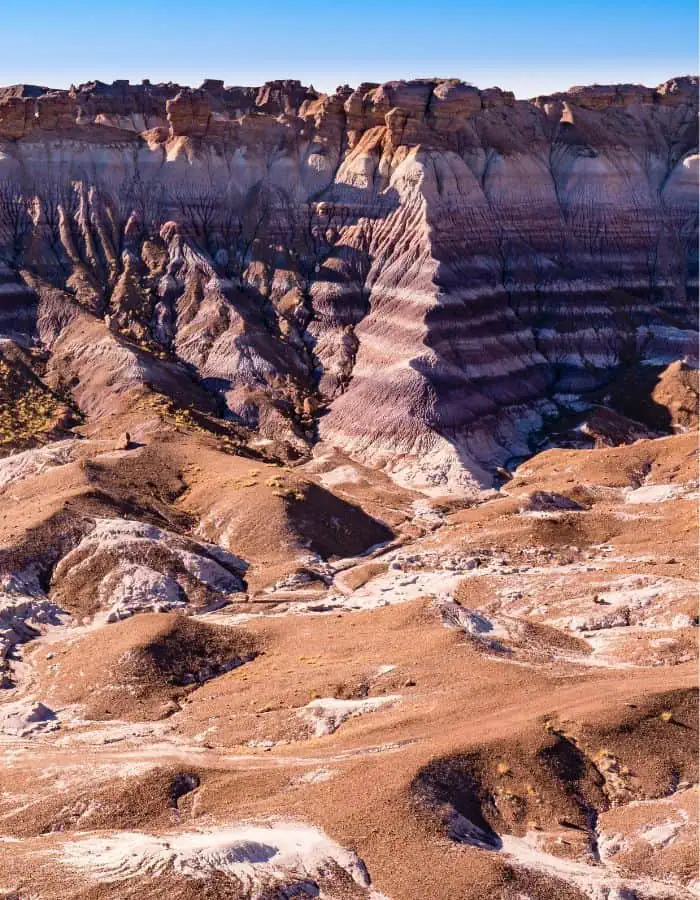
Situated in northeastern Arizona, the Petrified Forest is known for its vast deposits of petrified wood and the colorful badlands of the Painted Desert.
The park covers approximately 221,391 acres and offers a unique glimpse into ancient ecosystems and geological history.
Visitors can explore a landscape rich in fossils, including fallen trees that lived in the Late Triassic period, about 225 million years ago.
The park also contains over 800 archeological and historic sites, showcasing more than 13,000 years of human history.
Dog-Friendly Details:
- The park features the “Petrified Fur-Rest Bark Park,” a fenced-in area near the south entrance with separate sections for large and small dogs, benches, shade, and play structures.
- Leashed dogs are welcome on all park trails, paved roads, and in designated wilderness areas.
- See Petrified Forest’s pet policy here.
3. Hot Springs National Park (Arkansas)
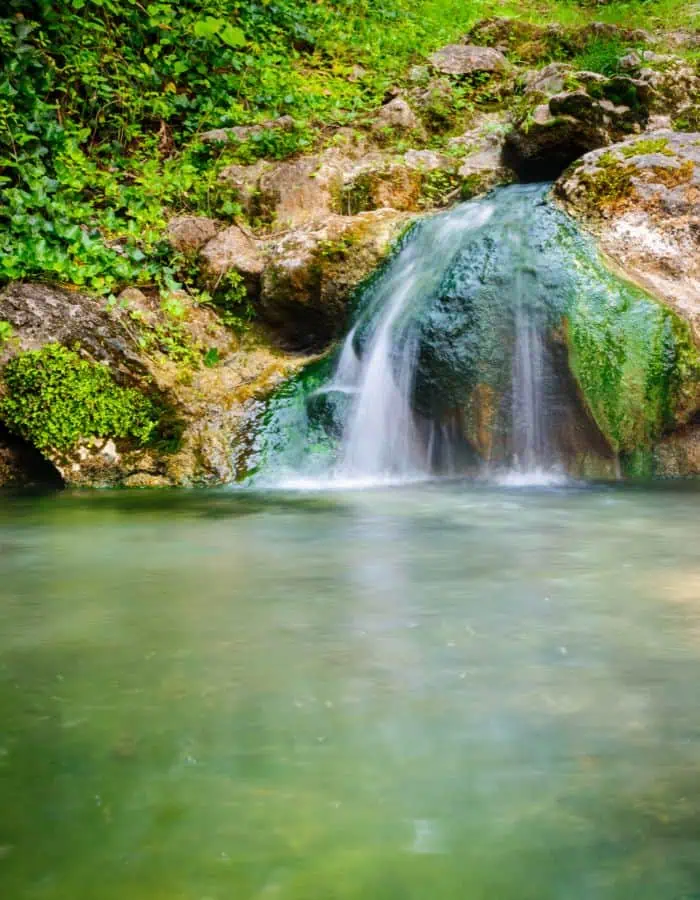
Located in central Arkansas, Hot Springs National Park is known for its unique combination of natural hot springs and historic bathhouses.
Established in 1832 as a federal reservation and designated as a national park in 1921, it is one of the oldest protected areas in the United States.
The park encompasses 5,550 acres, including portions of downtown Hot Springs, making it one of the most accessible national parks.
Visitors can explore the historic Bathhouse Row, hike scenic trails through the Ouachita Mountains, and learn about the area’s rich cultural history.
Dog-Friendly Details:
- Dogs are welcome on all 26 miles of trails within the park, including popular routes like the Sunset Trail and Hot Springs Mountain Trail.
- Pets must be leashed at all times and are not permitted inside park buildings, including the historic bathhouses.
- Pets are allowed in the Superior Bathhouse Restaurant and Brewery.
- See Hot Springs National Park’s pet policy here.
4. Yosemite National Park (California)
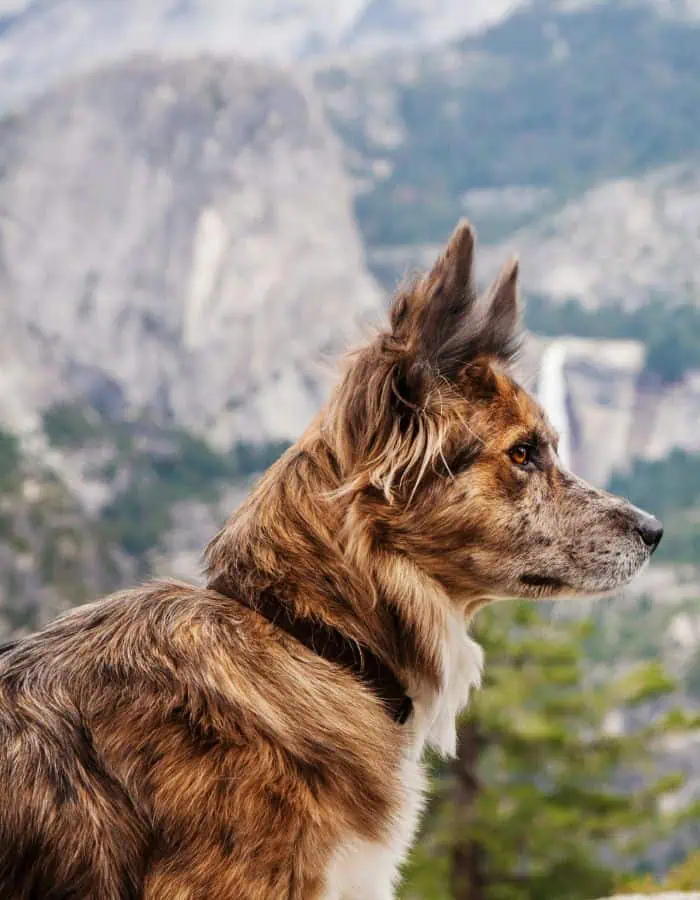
Located in the Sierra Nevada mountains of central California, Yosemite National Park spans nearly 1,200 square miles of diverse terrain, including towering granite cliffs, waterfalls, ancient sequoia groves, and vast wilderness areas.
Established in 1890, the park is famous for iconic landmarks such as El Capitan, Half Dome, and Yosemite Falls.
Yosemite Valley, a glacially carved canyon approximately eight miles long, serves as the park’s centerpiece and draws millions of visitors annually.
Dog-Friendly Details:
- Leashed dogs are permitted on fully paved roads, sidewalks, parking areas, and developed campgrounds.
- Pets are not permitted on unpaved trails, in wilderness areas, or on shuttle buses.
- During summer months, a daytime kennel service is available at the Yosemite Valley Stable for visitors planning activities in non-pet-friendly areas.
- See Yosemite’s pet policy here.
5. Santa Monica Mountains National Recreation Area (California)
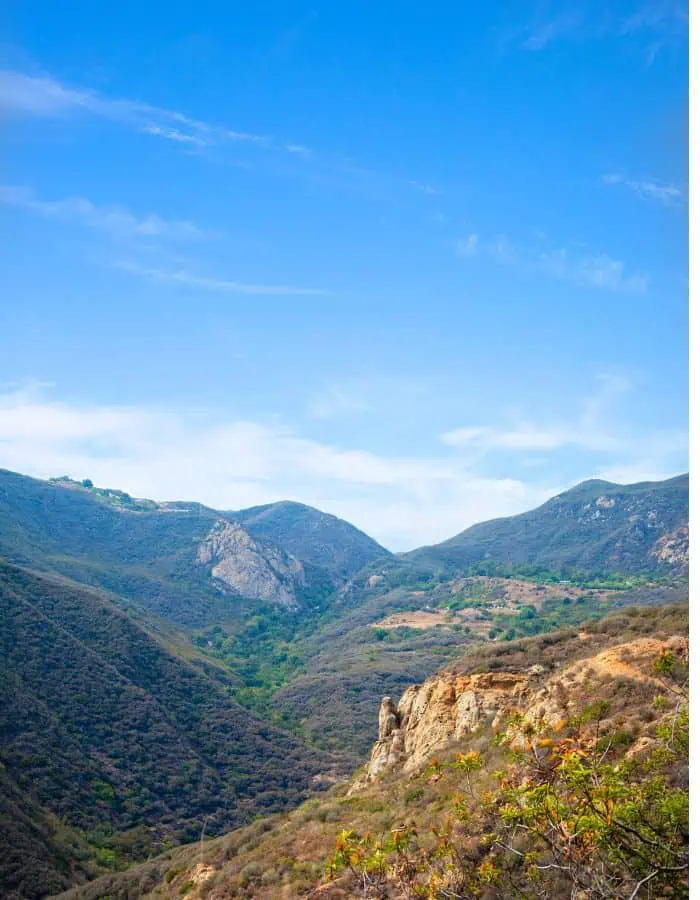
Covering approximately 153,785 acres across Los Angeles and Ventura counties, the Santa Monica Mountains National Recreation Area (SMMNRA) is the largest urban national park in the United States.
Established in 1978, this area offers a diverse range of ecosystems, including coastal sage scrub, oak woodlands, and chaparral-covered hills.
The park encompasses numerous state and local parks, historic sites, and over 500 miles of trails, providing tons of opportunities for hiking, biking, horseback riding, and wildlife viewing.
Dog-Friendly Details:
- Leashed dogs are allowed on many trails and in developed areas within the SMMNRA.
- Popular dog-friendly trails include Solstice Canyon, Runyon Canyon Park, and the Los Leones Trail.
- Dogs are not permitted on backcountry trails of certain state parks within the SMMNRA, including Topanga State Park, Malibu Creek State Park, Leo Carrillo State Park, and Point Mugu State Park.
- See SMMNRA’s pet policy here.
6. Fort Funston (California)

Located on the southwestern edge of San Francisco, Fort Funston is a former military installation turned coastal haven within the Golden Gate National Recreation Area.
Known for its 200-foot-high sandy bluffs and strong winds, it’s a popular spot for hang gliding.
The area has a network of trails with panoramic views of the Pacific Ocean. It’s perfect for hiking, horseback riding, and dog walking.
The park also features remnants of its military past, including the decommissioned Battery Davis.
Dog-Friendly Details:
- Dogs are permitted off-leash under voice control in much of Fort Funston, making it a popular destination for dog owners.
- In certain sensitive areas, such as the Bank Swallow habitat, dogs must be on a leash to protect the threatened species.
- Be cautious near cliff edges and observe posted signs.
- See Fort Funston’s pet policy here.
7. Runyon Canyon Park (California)

Situated in the Hollywood Hills at the eastern end of the Santa Monica Mountains, Runyon Canyon Park covers 160 acres and offers a variety of hiking trails with panoramic views of Los Angeles, including the Hollywood Sign and the downtown skyline.
The park features several trails of varying difficulty, such as the Runyon Canyon Fire Road (easy), the Star Trail (medium), and the Hero Trail (difficult), catering to hikers of all levels.
Dog-Friendly Details:
- Runyon Canyon Park is known for its liberal dog policy, allowing dogs to be off-leash under voice control in designated areas, particularly in the central and southern parts of the park.
- In certain sections, especially near the northern entrance at Mulholland Drive, dogs must be kept on a leash to ensure the safety of wildlife and other park visitors.
- Given the park’s rugged terrain and presence of wildlife such as coyotes, it’s important to keep dogs under control at all times and stay on designated trails.
- See Runyon Canyon Park’s pet policy here.
8. Great Sand Dunes National Park and Preserve (Colorado)

Tucked into southern Colorado, Great Sand Dunes National Park is home to the tallest dunes in North America. Some reach over 700 feet high.
It’s not just sand, though. You’ll also find grasslands, wetlands, and alpine forests all packed into one place.
It’s a choose-your-own-adventure kind of park. You can climb the dunes, splash in Medano Creek (seasonal, but super fun when it’s flowing), or drive the Medano Pass Primitive Road if you’ve got a high-clearance 4WD vehicle.
Just be ready for a bit of a workout. Walking on sand isn’t as easy as it looks.
Dog-Friendly Details:
- Dogs are welcome in the main day-use areas, including the dunes, Dunes Overlook Trail, Medano Creek, and around the campground.
- Be mindful of hot sand temperatures during summer months.
- See Great Sand Dunes’ pet policy here.
9. Indiana Dunes National Park (Indiana)

Just an hour from Chicago, Indiana Dunes National Park stretches along 15 miles of Lake Michigan’s southern shore.
It’s a mix of sandy beaches, towering dunes, quiet forests, and wetlands. With over 50 miles of trails, it’s a favorite for hikers, birdwatchers, and anyone looking to escape the city.
Dog-Friendly Details:
- Dogs are allowed year-round on all beaches, except for the lifeguarded swimming area at West Beach during the summer season.
- Dogs are allowed on most trails, provided they are leashed.
- Pinhook Bog Trail and the equestrian portion of the Glenwood Dunes Trail system are off-limits to pets.
- Nature play areas and certain picnic spots also have restrictions.
- See Indiana Dunes’ pet policy here.
10. Acadia National Park (Maine)

Set on Mount Desert Island in Maine, Acadia National Park gives you a little bit of everything: rocky coastlines, dense forests, scenic lakes, and granite peaks.
Cadillac Mountain is the big name here, literally. It’s the highest point along the U.S. Atlantic coast, and catching a sunrise from the summit is kind of a bucket list thing.
Even though it’s one of the most-visited national parks, it doesn’t feel overwhelming. There are quiet corners, off-season hikes, and laid-back drives that let you soak in the beauty without fighting for elbow room.
Dog-Friendly Details:
- Dogs are allowed on 100 miles of hiking trails and 45 miles of carriage roads.
- Campgrounds like Blackwoods, Seawall, and Schoodic Woods are all dog-friendly.
- Some of the steeper trails like Precipice, Beehive, and Jordan Cliffs aren’t safe for dogs because of ladders and steep rock scrambles.
- See Acadia’s pet policy here.
11. Sleeping Bear Dunes National Lakeshore (Michigan)

Sleeping Bear Dunes sits along the northeast edge of Lake Michigan and combines freshwater beaches, massive sand dunes, inland lakes, and quiet forest trails.
The park is known for its scenic overlooks, especially along Pierce Stocking Scenic Drive, and hikes that lead to panoramic lake views.
It’s a popular spot for summer travelers thanks to its mix of outdoor activities and easy access to nearby towns like Glen Arbor and Empire.
Visitors can hike trails like Empire Bluff, paddle on the Platte or Crystal rivers, or spend the day at one of the dog-friendly beaches.
There’s also camping, biking, and plenty of space to get away from the crowds if you venture a little further inland.
Dog-Friendly Details:
- Leashed dogs are allowed on many of the park’s hiking trails, including Empire Bluff Trail, Alligator Hill, and Bay View Trail.
- Dogs are allowed on several stretches of beach but must avoid lifeguarded swim areas and sensitive wildlife zones. Look for posted signs.
- The Dune Climb and North and South Manitou Islands are off-limits to pets.
- See Sleeping Bear Dunes’ pet policy here.
12. White Sands National Park (New Mexico)
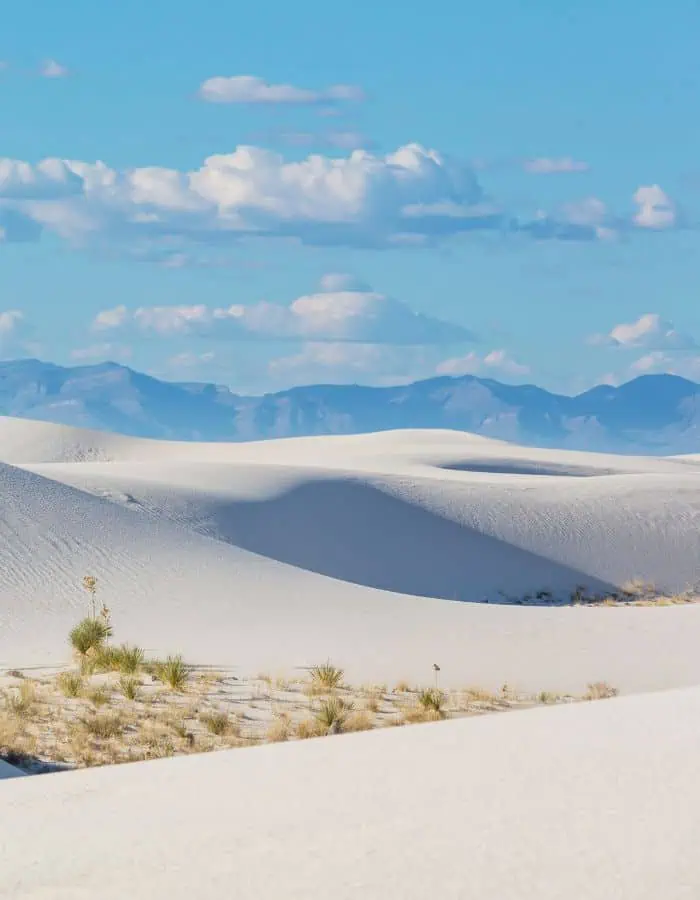
White Sands National Park in southern New Mexico is made up of 275 square miles of bright white gypsum sand. It’s the largest dune field of its kind in the world.
The park is especially popular for sand sledding, scenic drives, and photography. If you time it right, sunrise and sunset over the dunes are stunning, and nighttime stargazing here is next level thanks to the lack of light pollution.
Trails like the Playa Trail and Dune Life Nature Trail offer an easy way to explore the terrain without venturing too far from your car.
It’s wide open, peaceful, and simple to explore which makes it a great option for travelers with dogs.
Dog-Friendly Details:
- Dogs are allowed throughout the park, including on dunes and trails.
- Pets are not allowed inside the visitor center or buildings.
- The sand can get extremely hot during the day, especially in summer—bring water, go early or late in the day, and consider protective boots for your dog’s paws.
- See White Sands’ pet policy here.
13. Cuyahoga Valley National Park (Ohio)

Sitting between Cleveland and Akron, Cuyahoga Valley National Park offers a surprising mix of natural beauty and historical charm.
The park encompasses over 33,000 acres of forests, rolling hills, wetlands, and farmland, all centered around the winding Cuyahoga River.
Visitors can explore more than 125 miles of trails, including the popular 20-mile Towpath Trail, which follows the historic route of the Ohio & Erie Canal.
Highlights include Brandywine Falls, a 65-foot waterfall; the Ledges, a striking rock outcropping with scenic views; and the historic Hale Farm & Village, showcasing 19th-century life.
Dog-Friendly Details:
- Leashed dogs are welcome on over 100 miles of trails, including the Towpath Trail and many others throughout the park.
- Pets are not permitted in park buildings, on the Cuyahoga Valley Scenic Railroad, or on the East Rim mountain bike trail.
- See Cuyahoga Valley’s pet policy here.
14. Shenandoah National Park (Virginia)
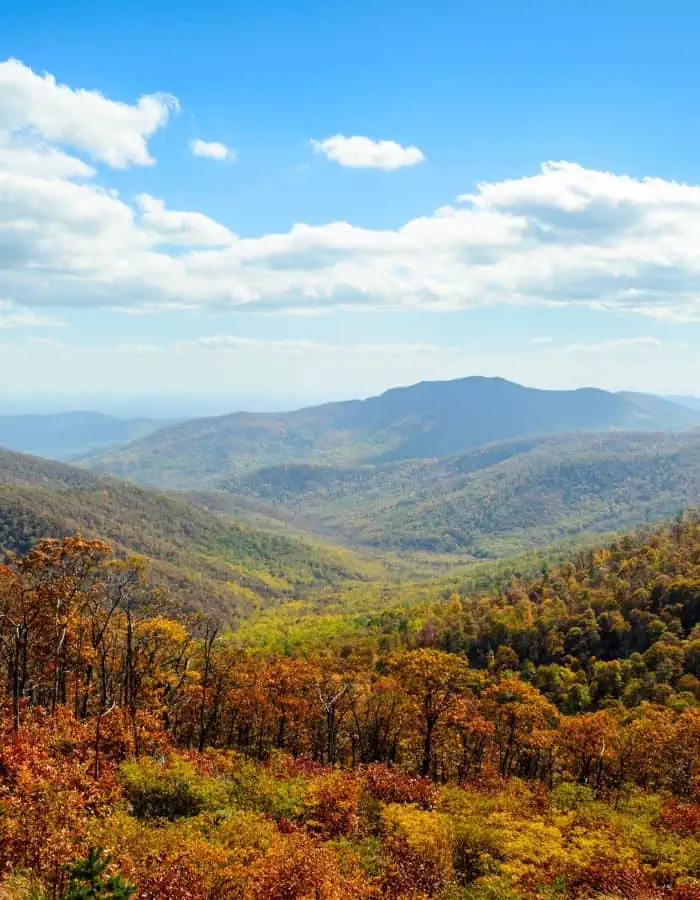
Stretching along the crest of Virginia’s Blue Ridge Mountains, Shenandoah National Park has over 500 miles of trails, including a scenic portion of the Appalachian Trail.
The park is known for Skyline Drive, a 105-mile road that provides panoramic views of the Shenandoah Valley and is especially popular during the fall foliage season.
Visitors can explore a variety of landscapes, from cascading waterfalls to quiet wooded hollows.
Popular hikes include the Hawksbill Summit, the park’s highest peak, and the Rose River Loop, known for its picturesque streams and waterfalls.
The park also offers opportunities for wildlife viewing, with chances to see deer, black bears, and a variety of bird species.
Dog-Friendly Details:
- Dogs are allowed on most trails, with a few exceptions due to safety concerns.
- Pets must be on a leash no longer than 6 feet at all times and are not allowed in park buildings, on shuttle buses, or in designated swimming areas.
- See Shenandoah’s pet policy here.
15. New River Gorge National Park and Preserve (West Virginia)
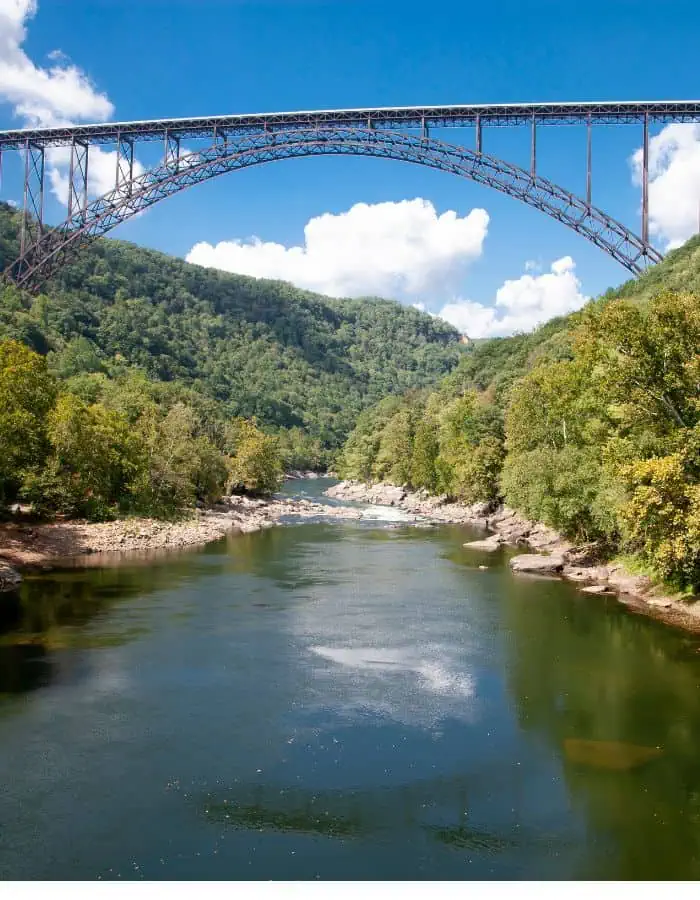
New River Gorge became a national park in 2020, but it’s been a well-loved outdoor playground in West Virginia for decades.
It protects a dramatic 70,000-acre stretch of the New River, one of the oldest rivers on the continent, as it carves its way through steep canyons and forested ridges.
The park is a hotspot for rock climbing, whitewater rafting, and scenic hiking. The New River Gorge Bridge, one of the tallest in the country, is the star of the show especially during Bridge Day in October when people BASE jump off it (not for the faint of heart).
If you’re into views but not extreme sports, you can take in the bridge from overlooks like Long Point or hike the Endless Wall Trail for a quiet walk with a big payoff.
There’s also history here: the area is dotted with remnants of old coal mining towns, and the park has interpretive trails and historic structures that tell the story of the region’s industrial past.
Dog-Friendly Details:
- Dogs are allowed on all trails as long as they’re leashed.
- Popular hikes include Endless Wall Trail and Long Point Trail, both with stunning views.
- Be extra cautious at overlooks and steep drop-offs.
- Dogs are not allowed inside buildings or visitor centers.
- See New River Gorge’s pet policy here.
B.A.R.K. Ranger Program
Many national parks participate in the B.A.R.K. Ranger program, a fun and educational way to promote responsible pet travel.
It’s designed to help visitors explore parks with their dogs while protecting the landscape and wildlife.
B.A.R.K. stands for:
- Bag your pet’s waste
- Always leash your pet
- Respect wildlife
- Know where you can go
At participating parks, you can stop by the visitor center to pick up a free B.A.R.K. Ranger activity card.
Once you and your dog complete the steps, you’ll earn an official B.A.R.K. Ranger tag or certificate. It’s kind of like a junior ranger badge, but for dogs.
It’s a fun way to engage with the park while learning how to be a good steward of public lands. Plus it makes for a cute photo op.
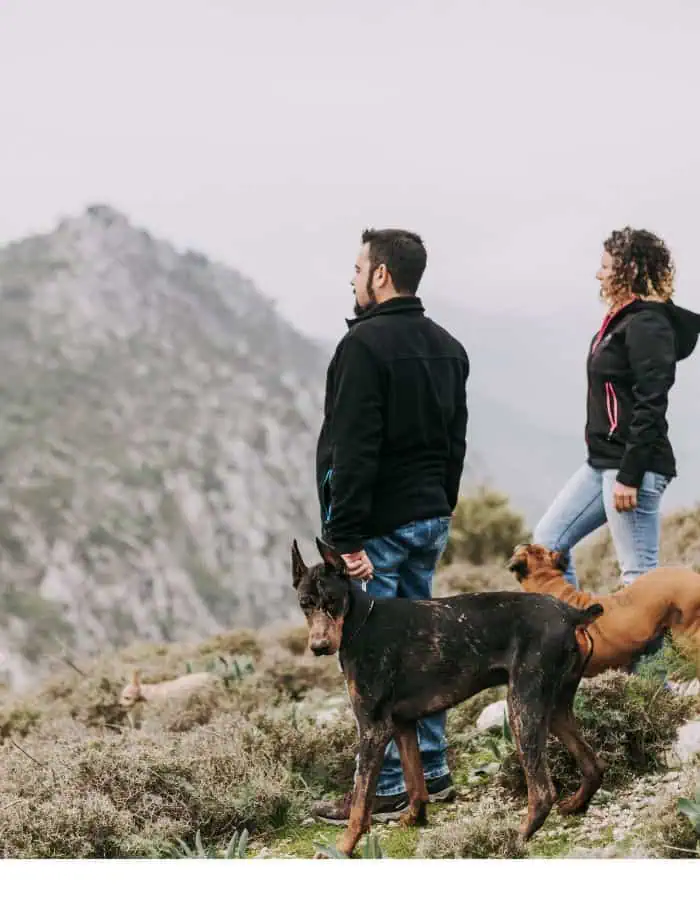
General Rules for Dogs in National Parks
Even at the most dog-friendly national parks, you’ll want to follow these standard rules:
- Leashes must be 6 feet or shorter.
- Dogs are usually not allowed in park buildings, shuttle buses, swimming areas, or backcountry areas.
- Always clean up after your dog. Many parks provide bags and disposal stations at popular trailheads.
- Keep your dog on trails to protect wildlife and fragile vegetation.
- Never leave your dog unattended, especially in hot cars.
Tips for Hiking With Dogs in National Parks
Planning ahead makes the difference between a fun day and a stressful one.
Here’s how to set your dog up for a safe, enjoyable park experience:
- Bring water and a bowl: Dogs can overheat quickly, especially on exposed trails.
- Check the terrain: Some trails are rocky, steep, or exposed to hot surfaces. If in doubt, wear booties or stick to cooler times of day.
- Know your dog’s limits: Start with shorter hikes and build up as your dog gains endurance.
- Pack a first-aid kit: Include gauze, tweezers, antiseptic wipes, and any medications your dog may need.
- Avoid peak heat hours: Mornings and evenings are more comfortable for most dogs.
- Choose pet-friendly lodging nearby: Some park gateway towns are especially accommodating to travelers with pets.
- Research each park’s pet policy before you go: Even dog-friendly parks have specific rules that may change seasonally or by area.
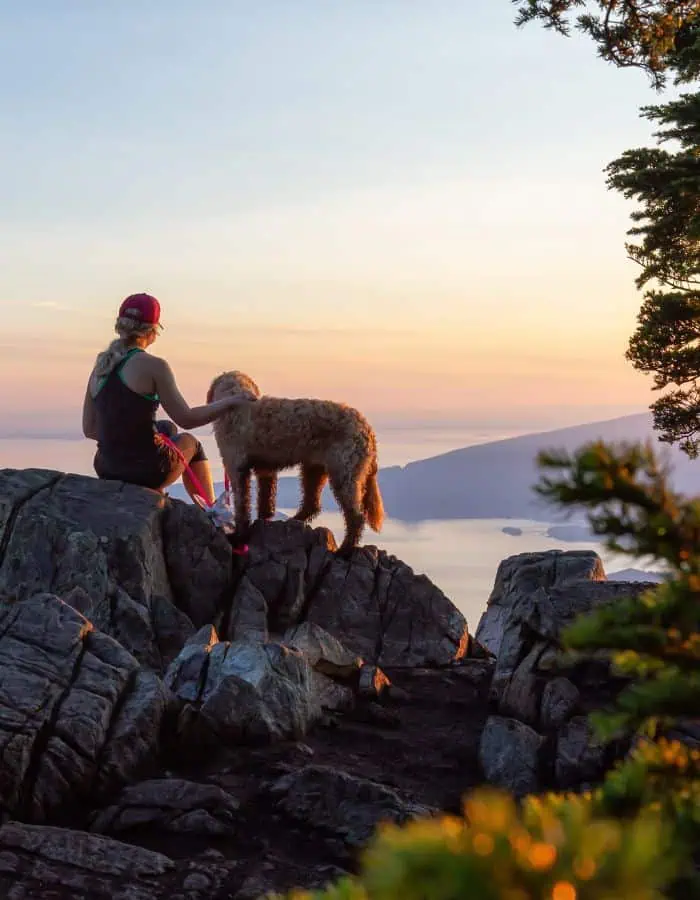
Wrap-Up: Dog-Friendly National Parks
Taking your dog to a national park can be a rewarding way to experience the outdoors if you know where to go and what to expect.
Some parks are more accommodating than others, but with research, preparation, and a little flexibility, you and your dog can enjoy some of the most beautiful places in the country together.
Related Posts
- Guide to Planning a Road Trip With A Dog Without The Stress
- Best Dog-Friendly Hotel Chains in the United States
- Most Dog-Friendly Restaurant Chains in the United States
- How to Help Dogs With Car Anxiety
- Flying Internationally With a Dog in the Cabin: What You Need to Know
- Most Dog-Friendly Cities in the World
