
Flying Soon? 5 Things to Check About Your Portable Charger Right Now Due to TSA Crisis
Portable chargers have become carry-on essentials, but they can also cause major airport stress if they don’t meet airline and security rules. With more scrutiny around batteries, a power bank that seems harmless at home can suddenly become a problem at the checkpoint or gate. Before you leave for the airport, here are five smart things to check so your charger doesn’t derail your trip.
Make Sure It’s in Your Carry-On, Not Your Checked Bag
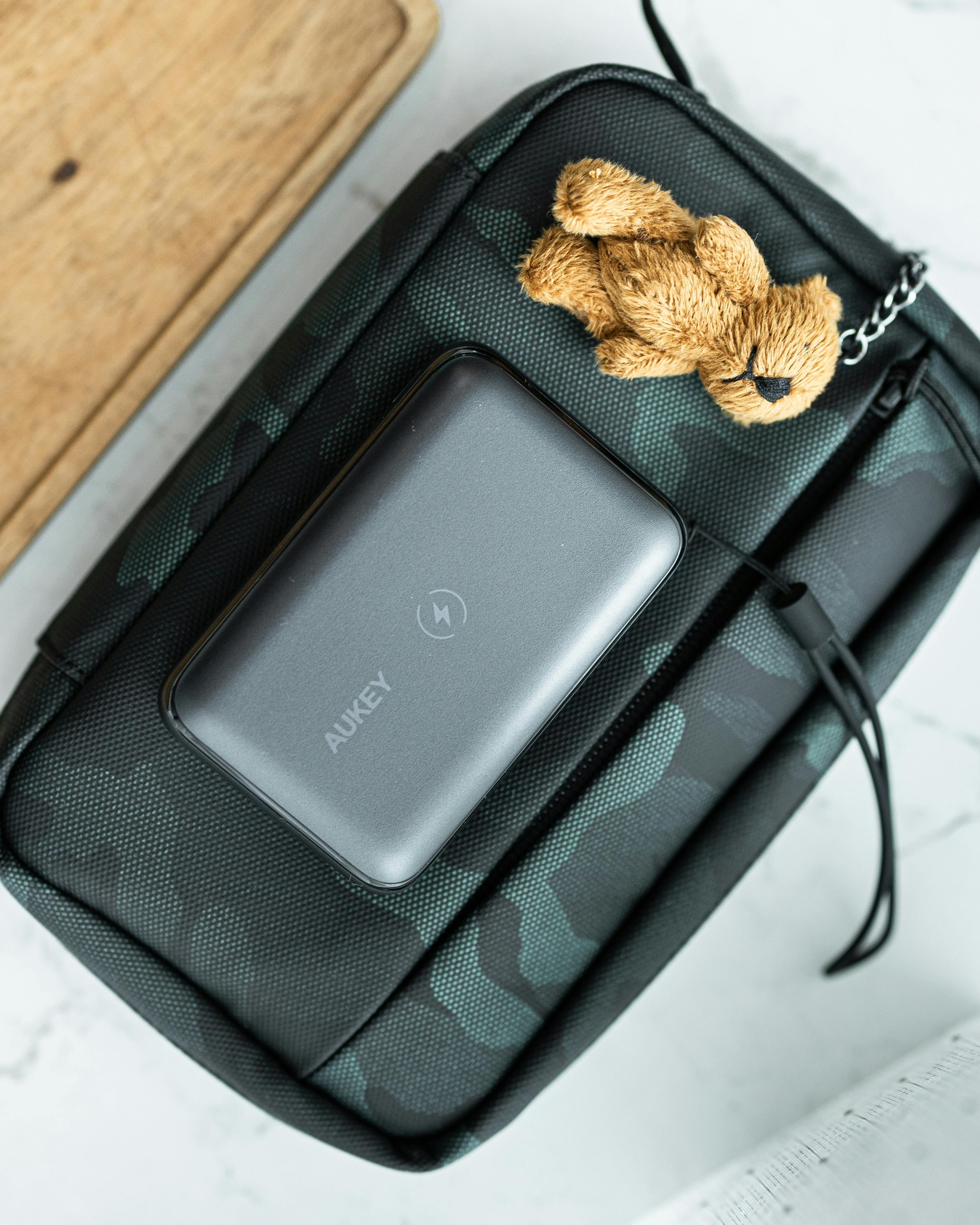
This is the big one, and it catches plenty of travelers off guard. Portable chargers and spare lithium-ion batteries generally belong in your carry-on, not in checked luggage, because airlines and safety officials want them accessible if something overheats or malfunctions during a flight.
If you packed in a rush, unzip that suitcase and double-check now. A power bank buried in checked baggage can trigger delays, bag searches, or a last-minute surrender at the airport.
It’s a simple fix at home, but a frustrating one at the terminal. Keeping it in your personal item or carry-on is the easiest way to avoid unnecessary stress before boarding.
Check the Battery Capacity Label

Not all power banks are treated the same, and the battery size matters more than many people realize. Airlines often look at watt-hours or milliamp-hours to determine whether a charger is allowed, restricted, or likely to raise questions at security.
If the label is worn off, faded, or impossible to read, that alone can become a headache. Security staff and airline agents may not want to guess what your battery capacity is, especially during periods of tighter enforcement.
Take a minute to inspect the casing and packaging if you still have it. A clearly labeled charger is much easier to travel with than one that leaves room for debate at the gate.
Look for Damage, Swelling, or Overheating Signs
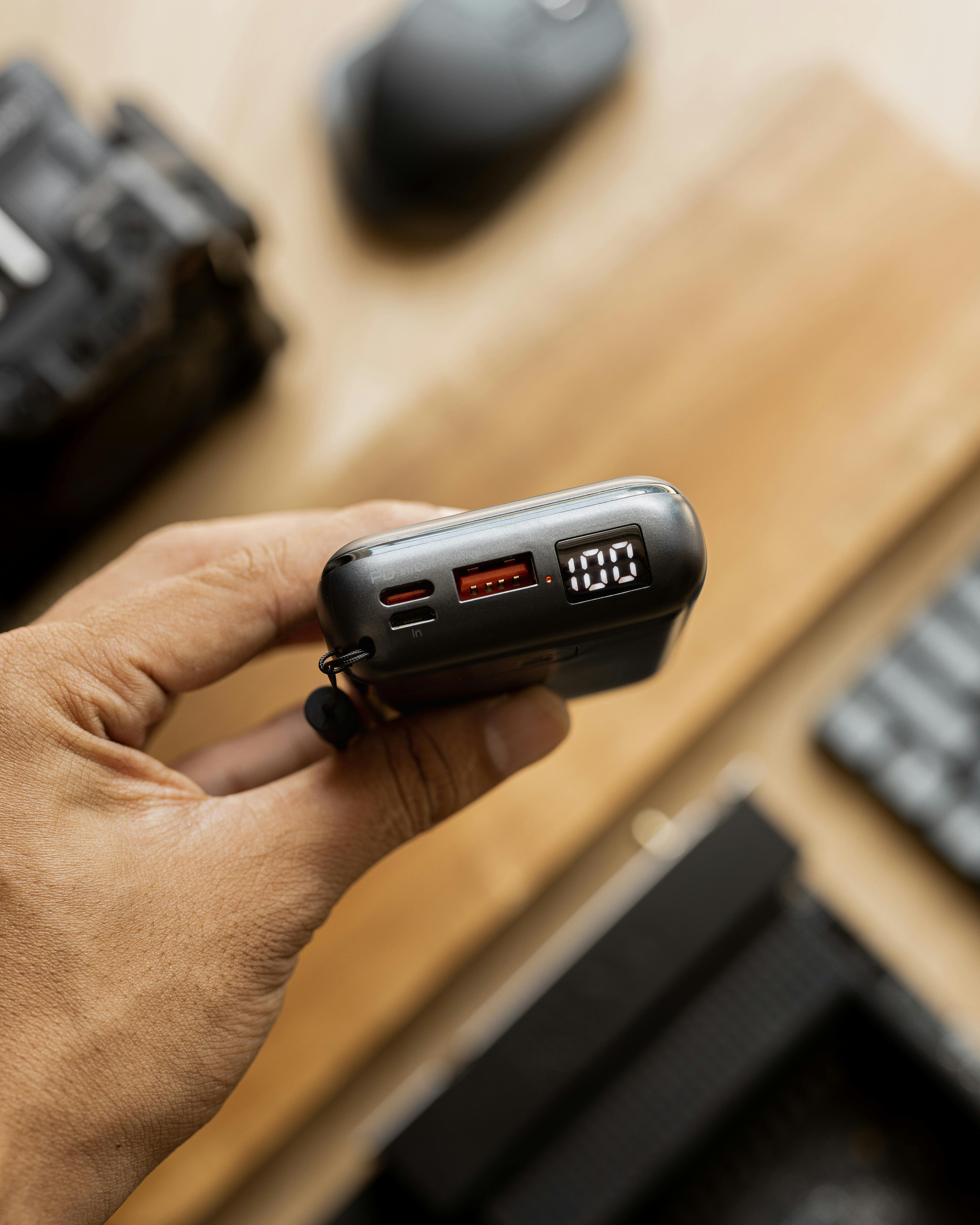
A scratched-up charger might seem harmless, but visible damage can quickly turn into a travel-day problem. Cracks, bulging, leaking, scorch marks, or a charger that gets unusually hot are all signs that your power bank may not be safe to bring on a plane.
This is one of those moments when honesty with yourself matters. If your charger has been dropped a few times, lives tangled at the bottom of a bag, or has started behaving oddly, it’s worth replacing rather than risking confiscation or worse.
Airport staff are especially alert to anything that looks unstable. A clean, intact charger is far less likely to prompt extra scrutiny.
Confirm Your Airline’s Specific Battery Rules
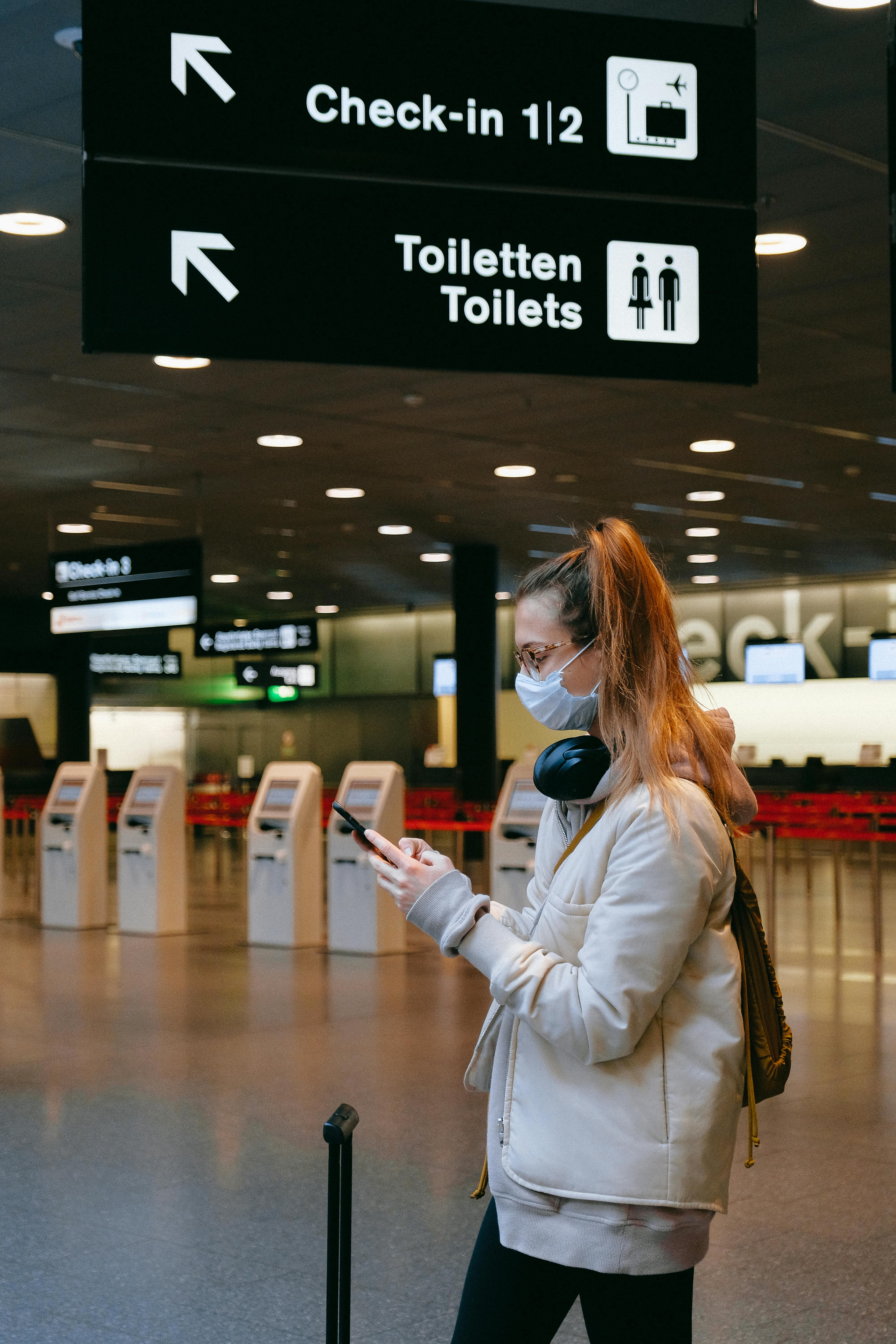
TSA screening is only part of the story. Your airline may have its own rules about how many portable chargers you can bring, where they must be stored, and whether higher-capacity batteries need approval before you fly.
That’s why it’s smart to check your airline’s policy directly before heading out, especially if you’re carrying more than one charger or using a larger model for laptops and tablets. What passes one airline’s standards may invite extra questions on another.
A quick policy check can save you from repacking your bag at the gate. It’s a small step that helps your trip start a lot more smoothly.
Pack It So You Can Pull It Out Fast at Security
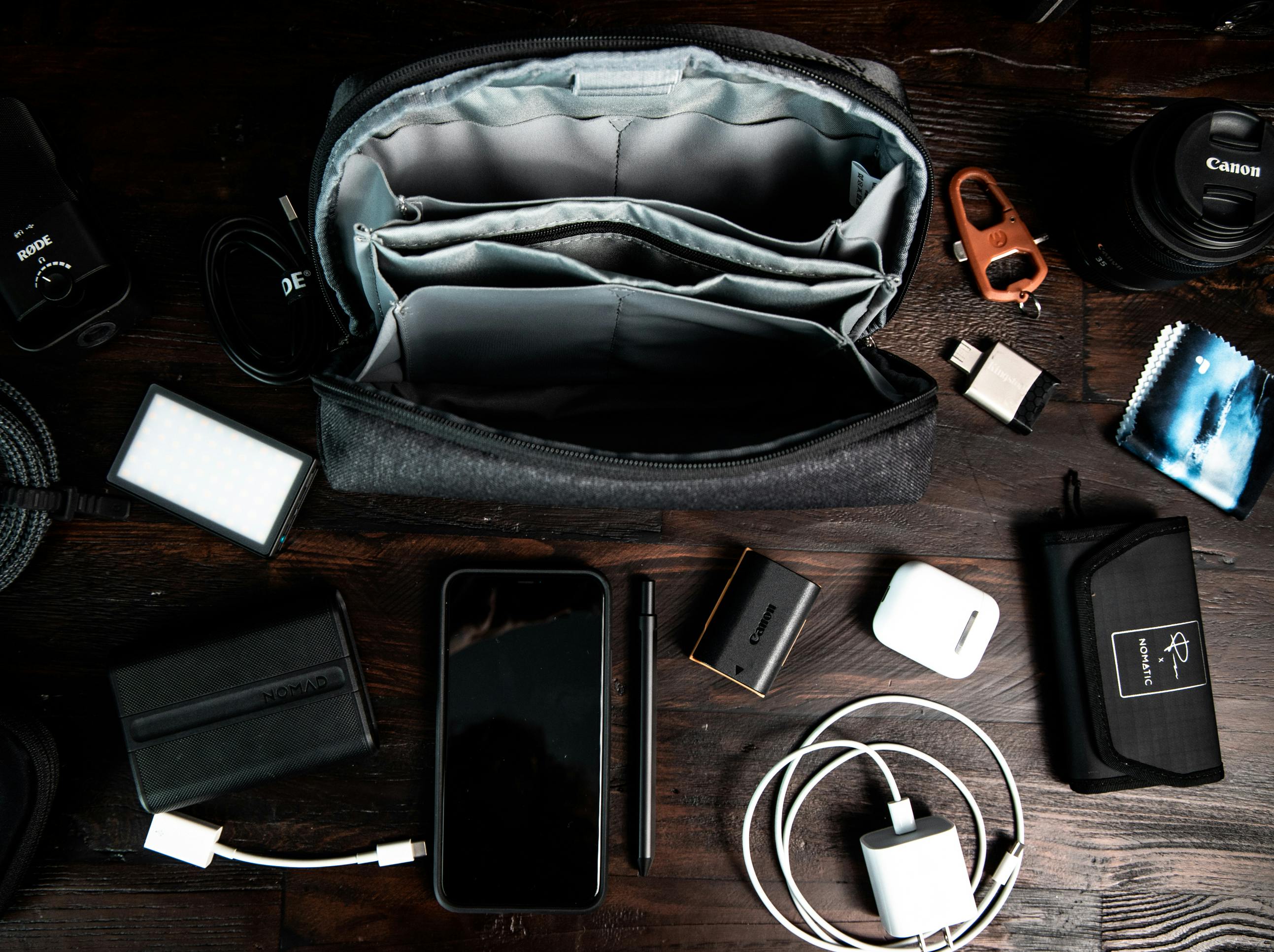
Even when your charger is perfectly allowed, how you pack it can still shape your airport experience. If it’s buried under cables, snacks, and a sweatshirt, you may end up fumbling through your bag while the line stacks up behind you.
Put the power bank somewhere easy to reach, ideally near your phone cable and other small electronics. In some situations, security officers may want a closer look, and being able to produce it quickly keeps things moving.
Think of this as a convenience move as much as a compliance one. A neatly packed charger won’t just help with screening, it also makes your entire travel day feel more under control.
