
If a woman has small breasts, here’s what it actually means about her body
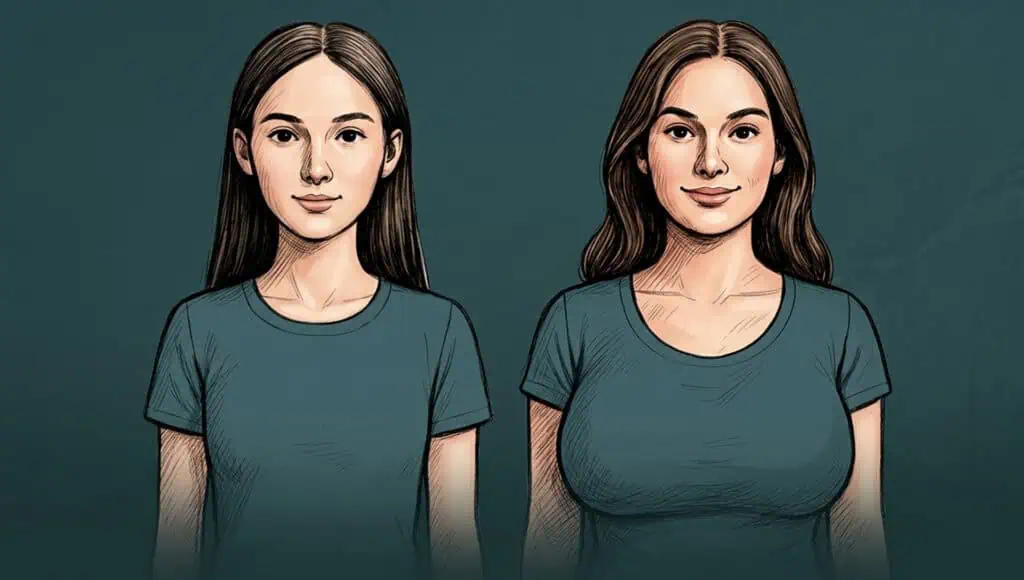
For a long time, breast size has been surrounded by all sorts of opinions, assumptions, and honestly a lot of myths too. Many women quietly wonder if their bust size has anything to do with hormonal health or overall wellbeing. It is a question that comes up more often than people admit, even if it is not always talked about openly.
In this article, we try to look at what actually matters from a health point of view. We will clear up some common misunderstandings and also share simple natural tips that can support hormonal balance for women, no matter their body type or size.
The Biology Behind Breast Size
Breast size is mostly shaped by genetics, meaning what you inherit from your family plays a big role. But hormones are also heavily involved.

During puberty, when hormone levels start changing, the body goes through a lot of development, and breast tissue grows as part of that process. Later in life, things like pregnancy, weight changes, age, and even lifestyle habits can also affect breast size.
One important point that experts always highlight is this. Having smaller or larger breasts does not automatically mean anything is wrong with your health. Every woman’s body is different.
Some people think that breast size is linked to hormone levels or fertility, but there isn’t a strong rule like that. It can be very different for each person.
Myths and Facts About Breast Size and Hormonal Health
A common belief is that women with smaller breasts are less feminine or less healthy. This is totally wrong and not backed up by science.
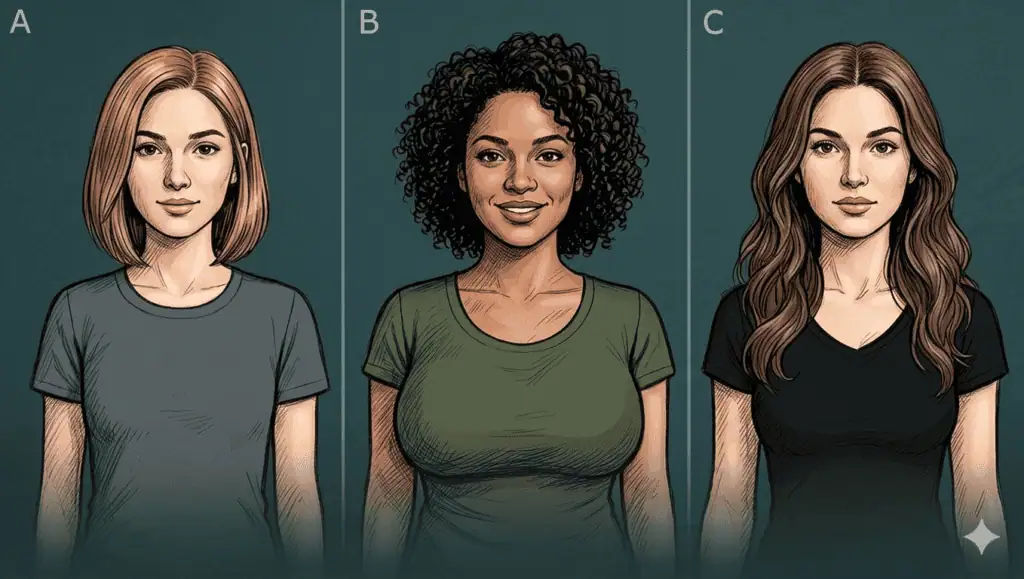
Body measurements do not determine health. It is affected by a lot of things, such as what you eat, how stressed you are, how much sleep you get, how active you are, and how happy you are. If her lifestyle supports it, a woman with small breasts can be perfectly healthy and have perfect hormonal balance.
Some research has also shown that women with bigger breasts may be more likely to get certain diseases, like diabetes or heart disease.
Bodies are complicated, and health is never just about one part of the body.
How to Keep Your Hormones in Balance
It’s important for your health in general to keep your hormones in check, no matter how big your breasts are. There are some easy things you can do to help this happen naturally.
Balanced diet
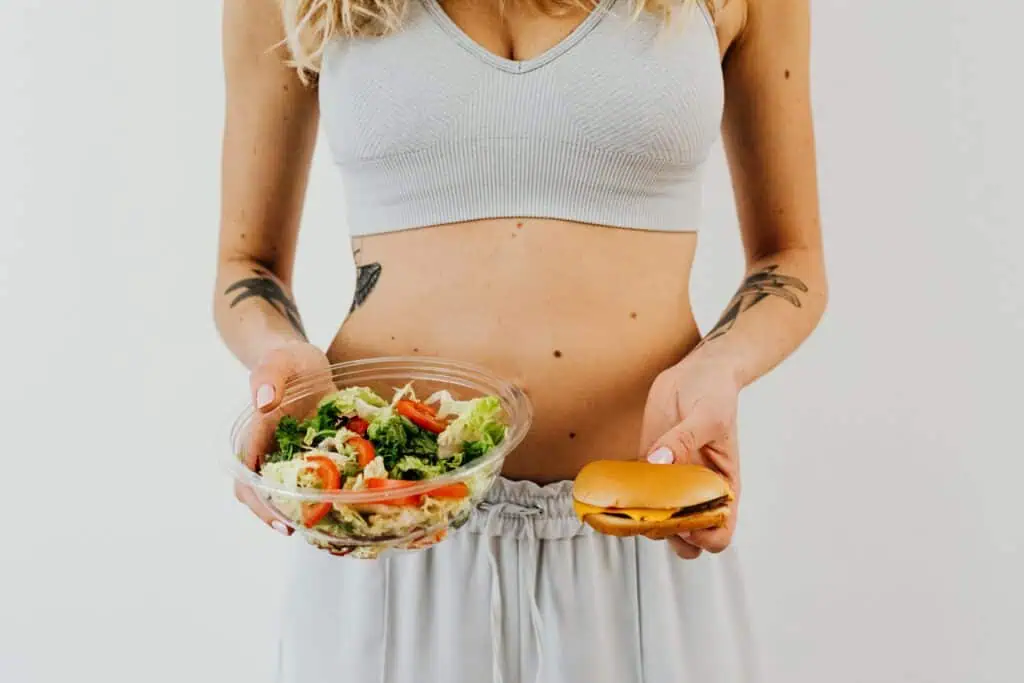
Eating a variety of healthy foods really matters. Things like fruits, vegetables, lean proteins, and healthy fats help the body function properly. Foods rich in omega 3 like fish, walnuts, and flaxseeds are often recommended for hormonal health.
Regular exercise
Movement helps more than just weight control. It also supports hormone regulation. You do not need anything extreme. Walking, yoga, swimming, or even light workouts can make a difference if done consistently.
Managing stress
Stress is one of the things that messes up hormones the most. When stress is always there, it can make it hard to sleep, change your mood, and even hurt your health. A lot of people don’t know that simple things like deep breathing, meditation, or just taking breaks can help.
Natural supplements
Some supplements like evening primrose oil or vitex are sometimes used for hormonal support. However, it is always better to speak with a healthcare professional before starting anything new, just to be safe.
Natural Remedies That May Support Women’s Health
Along with lifestyle habits, some natural options are often used to support general wellbeing.
Sage tea
Sage is known in traditional use for helping with hormonal balance, especially in women. Some people find it helpful during cycle related changes.
Maca root
Maca is a plant-based supplement that is often thought to help with hormones and energy. Most women take it in powder or capsule form as part of their wellness routines.
Tea with ginger
A lot of people know that ginger can help with inflammation. In some cases, it may also help with digestion and make periods more comfortable.
These aren’t magic fixes, but they can help you live a balanced life if you use them correctly.
It is mostly determined by genetics and natural body differences, not by a direct measure of hormonal balance or health.
The most important thing is how you take care of your health as a whole. Size and looks don’t matter as much as eating well, staying active, managing stress, and listening to your body.
At the end of the day, every woman’s body is different. Before making any big changes to your diet, supplements, or health routines, it’s always a good idea to talk to a qualified healthcare professional.
