
If You Haven’t Packed These 5 Travel Essentials, You’re Missing Items You’ll Actually Use
Packing works best when it is built around what gets used in transit, not what looks impressive in a photo. Most travel hassles are predictable: a dying phone at the gate, overpriced drinks after security, sore feet on day two, or a sudden storm that soaks a backpack. The essentials below target those repeat problems across U.S. airports, highways, and hotels, so the bag stays practical, light, and easy to manage. Each one earns its space because it prevents delays, extra spending, or avoidable discomfort.
1. Portable Power Bank
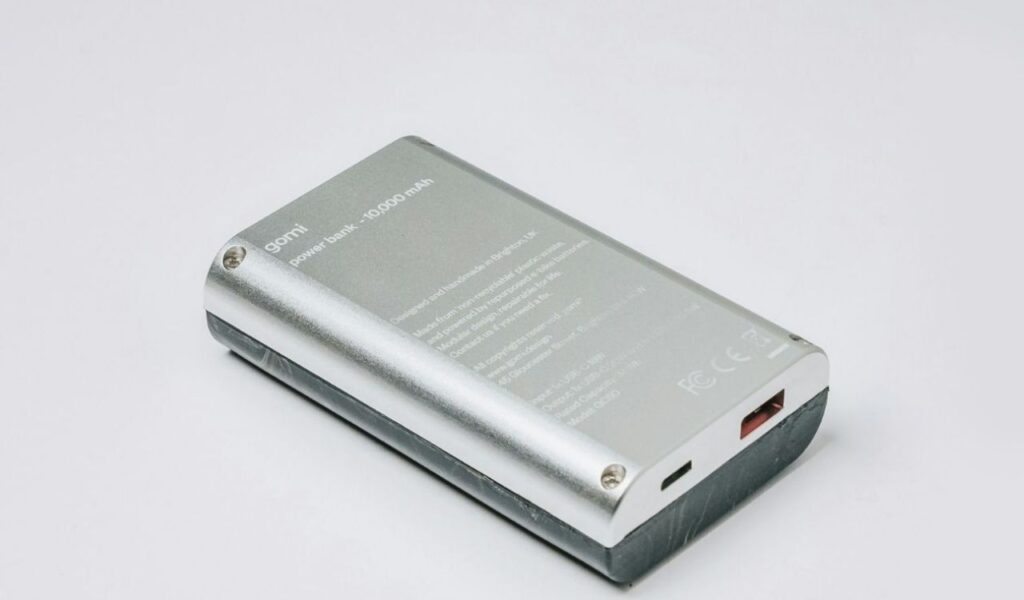
A power bank prevents the most common travel failure: a dead phone when you need a boarding pass, map, hotel code, or rideshare. Choose 10,000 to 20,000 mAh for most trips and look for a clearly printed watt-hour rating. Many carriers follow the common 100 Wh threshold for batteries in cabin baggage, so staying under that label avoids headaches at screening. Bring the correct cable and, if your phone supports it, a USB-C Power Delivery output for faster top-ups between gates. Charge it fully the night before. Do not count on the USB ports, which can be broken or too slow. A bank also keeps earbuds and a watch running during long delays.
2. Reusable Water Bottle
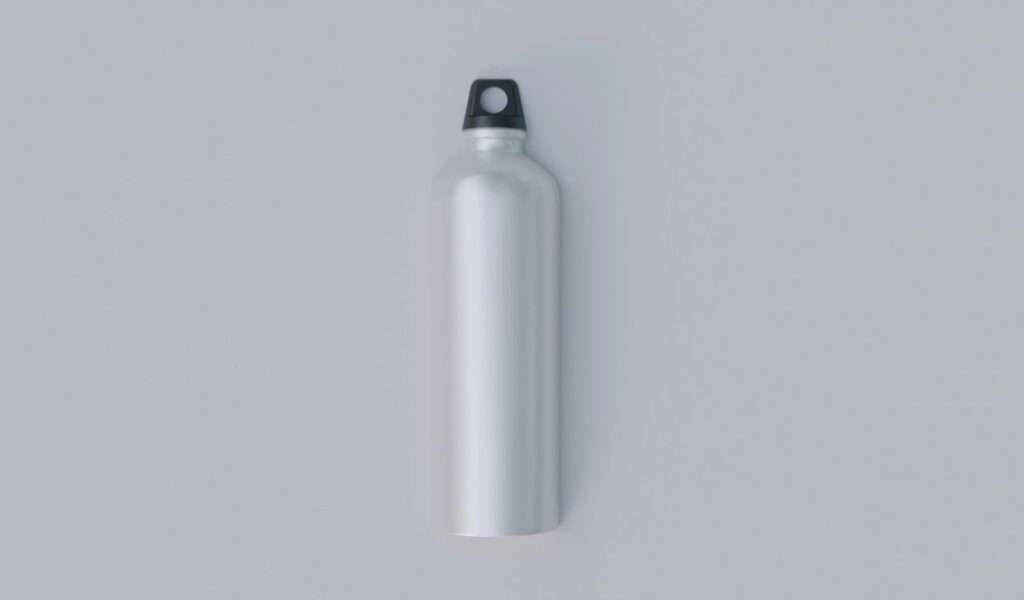
A reusable bottle saves money and helps hydration when flights, drives, or museum days run long. TSA screening permits an empty bottle through security, then you can refill at most U.S. airports after the checkpoint. Choose a leak-resistant lid and a size that fits a backpack side pocket and a car cup holder. Stainless steel keeps water cooler, while lightweight plastic cuts weight. Pack electrolyte powder if you expect heat, altitude, or heavy walking, and keep it dry until after security. In many parks and rural stops, stores can be sparse, so refilling is the better option. Cabin air is dry, so sipping helps reduce headaches.
3. Compact First Aid Kit
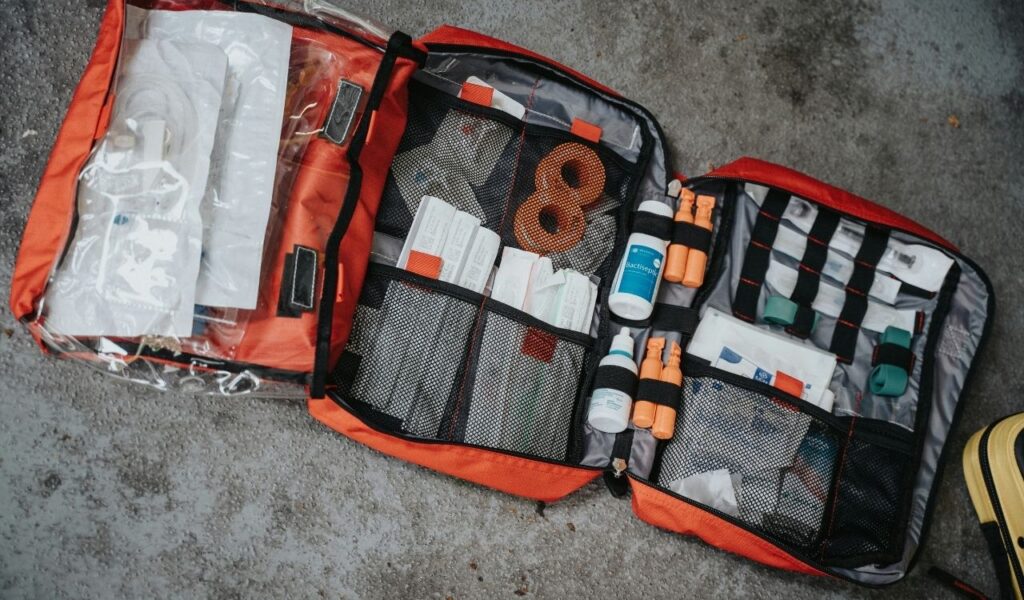
A compact first aid kit keeps minor issues from stealing hours of a trip. Include blister pads, bandages, antiseptic wipes, and a small roll of tape for hot spots on heels. Add ibuprofen or acetaminophen, an antihistamine for allergies, and motion sickness tablets if you are prone to nausea. Put prescription meds in original labeled containers and split doses between carry-on and personal item in case one bag goes missing. This kit matters most on long walking itineraries and remote drives where pharmacies close early. Keep gels such as ointment in travel sizes for carry-on screening. Alcohol prep pads can clean a cut or a phone screen.
4. Lightweight Rain Jacket
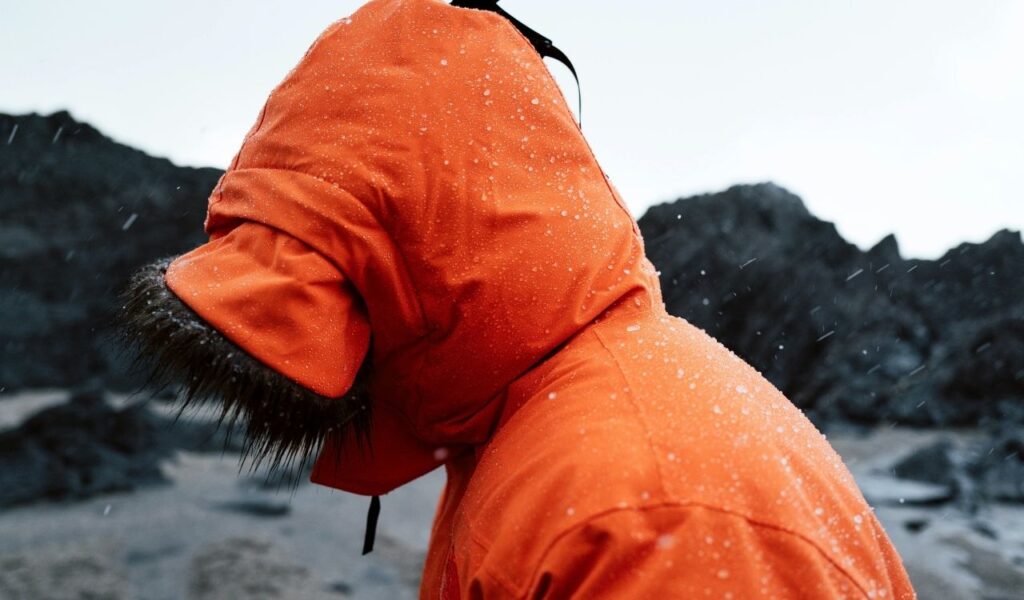
A packable rain jacket prevents weather from forcing last-minute purchases or ruined plans. In many U.S. regions, quick storms are normal, including summer downpours in Florida and sudden fronts in the Rockies. Choose a waterproof shell with a hood and sealed seams, not a thin windbreaker that wets through. Keep it near the top of your day bag so you can pull it out before you are soaked. Look for pit zips or a breathable lining if you walk often, since trapped heat causes sweat. A hood with a short brim keeps rain off glasses and away from your phone. It also protects your shoulders when you carry a backpack through the streets or on boat decks.
5. Copies Of Important Documents

Backups of key documents cut the time it takes to recover from loss or theft. Print a small sheet with your ID details, emergency contacts, and travel insurance numbers, and keep it separate from your wallet. Store hotel addresses and confirmation codes offline so you can check in even with a weak signal. Scan passports, IDs, and prescriptions and keep them in a secure cloud folder plus an email to yourself for access from any device. On international trips, this can speed replacement at a consulate, and at home, it helps with airlines and car rentals. Share a copy with a travel partner and avoid storing unnecessary sensitive numbers.
