
If You Haven’t Visited These 5 U.S. National Parks, You’re Missing Spots Even More Beautiful Than You Expect
Trip lists usually circle the same headline parks.
These five national parks are easier to overlook because they are situated off the most common fly and drive routes.
That is exactly why the payoff can feel bigger: fewer buses, clearer overlooks, and nights quiet enough to hear wind in the trees.
Each park has a signature surprise: glaciers above turquoise water, a 100-mile geologic fold, ancient bristlecones, an island wilderness, and steaming volcanic basins.
1. North Cascades National Park
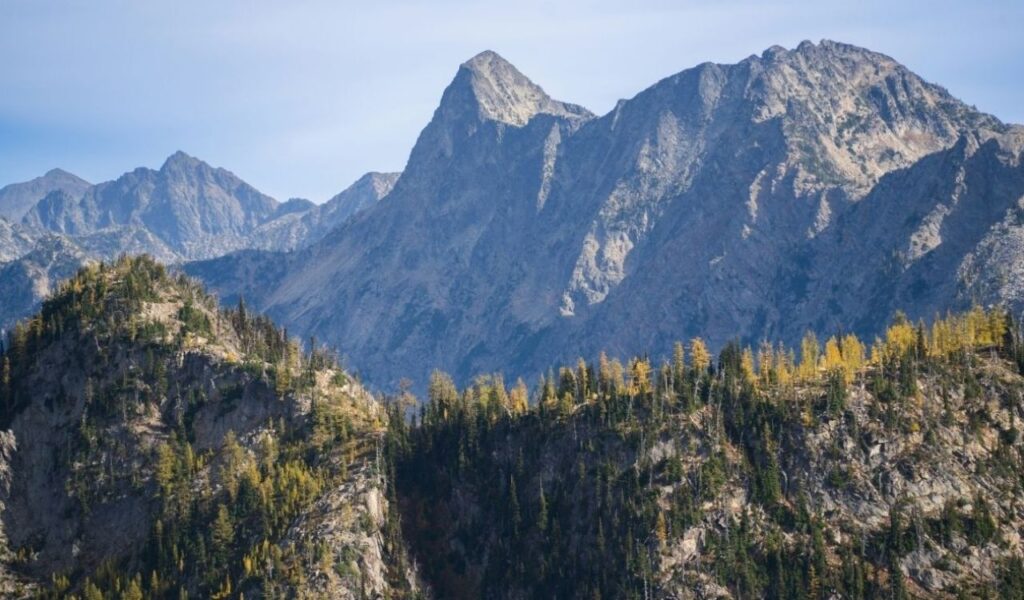
North Cascades hold more than 300 glaciers, one of the highest counts in the lower 48.
From State Route 20, overlooks near Diablo Lake show jagged ridgelines and water that turns bright turquoise in clear summer light.
Hikes like Cascade Pass put travelers into classic alpine terrain without the long approach many Washington peaks require.
Late July through September is a strong window after snowmelt, with wildflowers in the high country and longer daylight for the drive.
Ross Lake camps and boat routes add another angle, and many visitors still report finding quiet pullouts even at peak season.
2. Capitol Reef National Park
Capitol Reef is built around the Waterpocket Fold, a nearly 100-mile wrinkle in Earth’s crust that stacks cliffs, domes, and narrow canyons.
Many Utah trips skip it while chasing Zion and Arches, so the Scenic Drive often stays calmer than the state’s headline stops.
Easy wins include the petroglyph panels along Highway 24 and the short walk to Hickman Bridge, a giant natural arch.
In Fruita, historic orchards still produce apples, peaches, and cherries, and the Gifford House store is known for pies when it is open.
Aim for April to early June or September to October for cooler hikes and richer sunset color on the sandstone walls.
3. Great Basin National Park
Great Basin surprises people who expect only desert flats in Nevada.
Wheeler Peak rises to 13,063 feet, and the climb can pass alpine lakes, limber pines, and late-season snowfields.
The park protects ancient bristlecone pines that can live for thousands of years, plus Lehman Caves with shield formations and twisting limestone passages.
It is also a Gold Tier International Dark Sky Park, and ranger-led astronomy programs are a highlight when skies cooperate well.
Visit June through September for cave tours and high trail access, or late September for crisp air and color in the mountain groves.
4. Isle Royale National Park
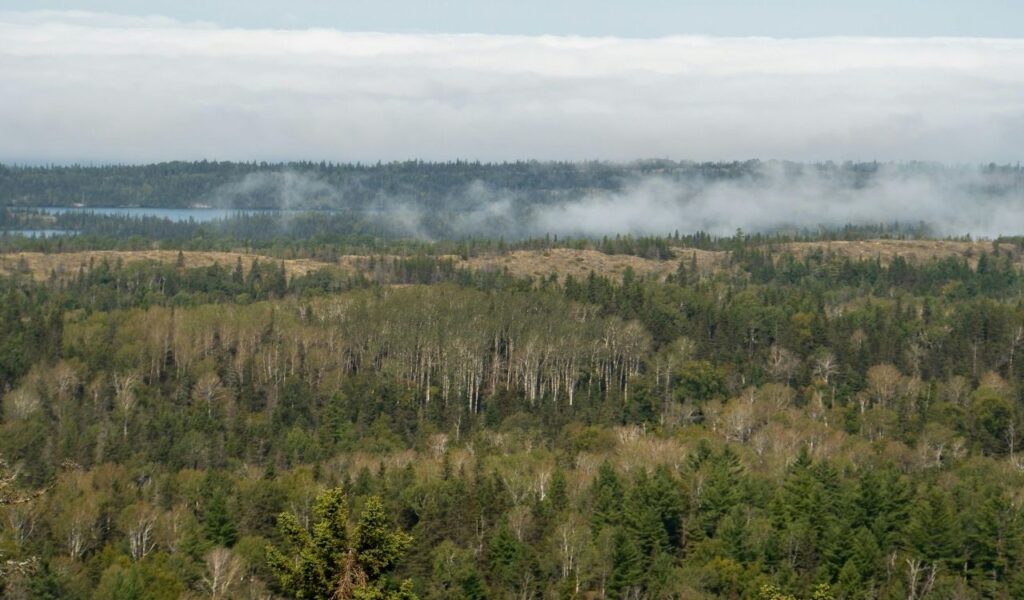
Isle Royale is a true off-grid national park, set in Lake Superior and reachable only by ferry or seaplane.
No roads cross the island, so days revolve around footpaths, canoe routes, and shoreline camps where waves replace traffic noise.
The park is famous for its long-running moose and wolf research, and wildlife sightings feel more likely when groups are small.
Mid-June through August offers the easiest logistics, while September brings cooler hiking and fewer insects.
Plan for limited services and scheduled transport, then settle into a kind of quiet that is hard to find elsewhere in the Midwest.
5. Lassen Volcanic National Park
Lassen Volcanic packs a rare range of geothermal sights into a park that many California travelers drive past.
Boardwalks at Bumpass Hell pass steaming vents, boiling pools, and sharp sulfur smells that make the ground feel alive.
Lassen Peak, a large plug dome volcano, often stays snow-capped into early summer, while lower meadows bloom below it.
The main park highway typically opens only after snow clearance, so July through September gives the fullest access.
For a history angle, the 1914 to 1917 eruption cycle left deposits and viewpoints that help visitors read the volcanic story in the landscape.
