
Is Your Pet’s Life Jacket a Fake? 3 Safety Tests Every Owner Must Run Before the Lake
Lake days with your dog should feel carefree, yet water safety gear deserves a closer look. Not all pet life jackets are built to perform under real conditions, and some low-quality versions only resemble proper flotation devices. A jacket that looks sturdy on the shelf may fail in moving water or after repeated use. Before heading to the lake, run these three simple safety tests to confirm your pet’s life jacket provides genuine protection, not just peace of mind.
1. The Float Test: Does It Actually Keep the Head Above Water?
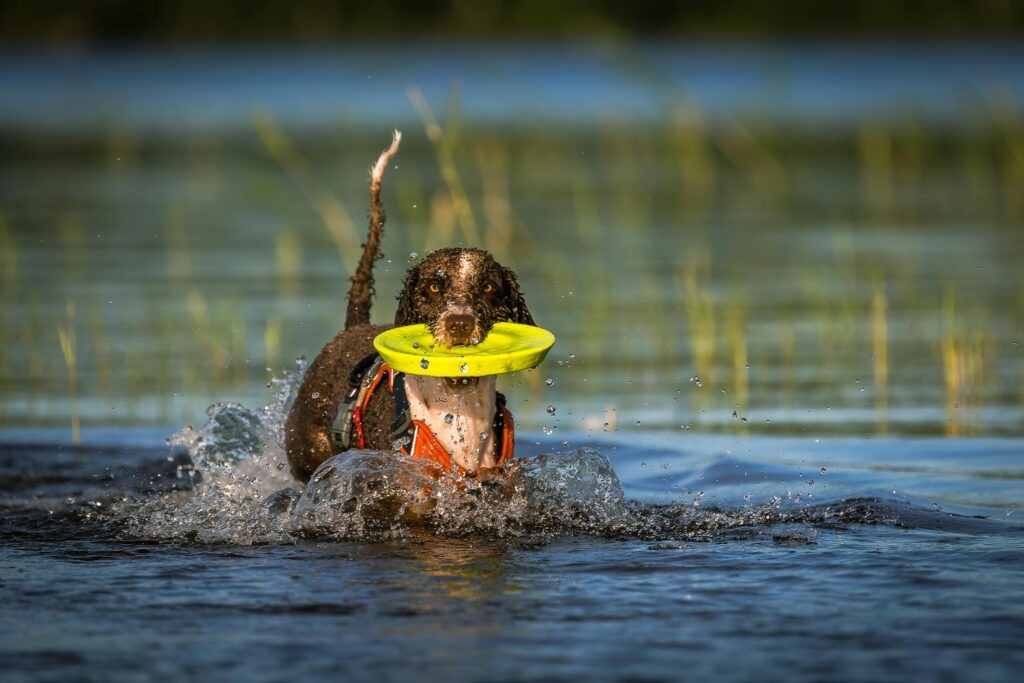
Before any open-water outing, test the jacket in a controlled environment such as a shallow pool or calm shoreline. Gently guide your dog into the water while supporting them, then release gradually to observe how the jacket distributes buoyancy. A properly constructed life jacket should keep your pet’s head and nose comfortably above water without tipping forward. Watch for uneven tilt, sagging at the chest, or rear-heavy flotation, which can strain the neck. Check how the jacket performs when your dog moves, paddles, or turns. Some poorly designed models shift position once wet, reducing stability.
2. The Strap and Stitch Check: Will It Hold Under Load?
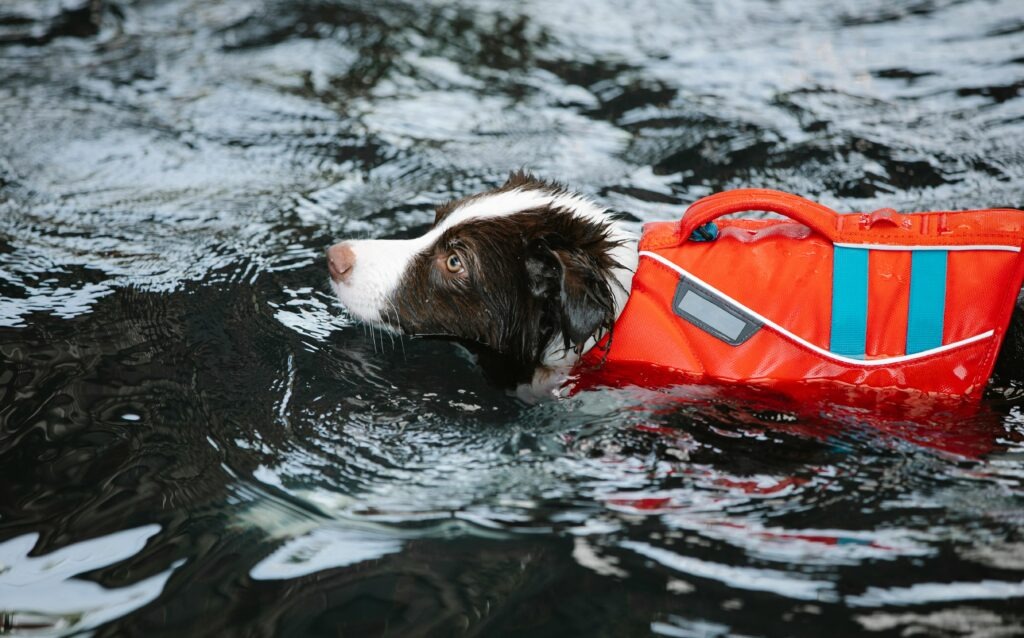
Many counterfeit or poorly manufactured pet life jackets fail at stress points, particularly around straps, buckles, and stitching. Before lake use, fasten the jacket securely and gently lift your dog a few inches using the top handle, supporting their weight safely. The handle should feel reinforced and stable, not thin or loosely attached. Run your fingers along seams to check for loose threads or uneven stitching patterns. Buckles should click firmly and resist accidental release. Water exposure can weaken inferior materials over time, so even previously used jackets deserve inspection each season.
3. The Fit and Visibility Test: Can You Grab and Spot Your Dog Quickly?
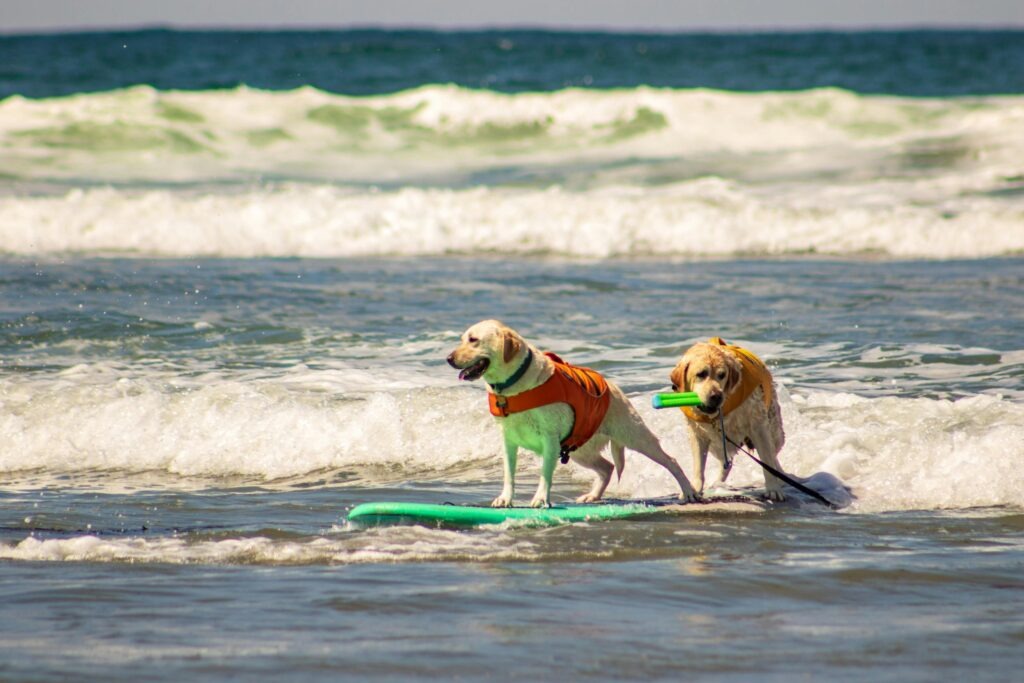
Proper fit directly impacts safety. The jacket should sit snugly around the chest and torso without restricting movement. You should be able to slide two fingers under the straps, but no more. Excess slack allows twisting, while an overly tight fit may cause discomfort or restricted breathing. After fastening, encourage your dog to walk and sit to confirm natural mobility. Visibility matters just as much as buoyancy. Bright colors and reflective strips increase your ability to spot your dog quickly in choppy water or low light. Test visibility from a short distance away, especially if your dog has a darker coat.
