
Shark Attacks in Cozumel: What You Need to Know in 2026
Are you looking for information on shark attacks in Cozumel? You’re in the right place.
I lived in Cozumel for nearly two years and have been snorkeling and diving there even longer. So I’ve got firsthand experience with the island, the reefs, and yes, the sharks.
Maybe you’re nervous about swimming in the ocean here.
Or maybe you’re like me and actually hope to see sharks.
When my family came to visit last Christmas, we planned some dives, but then my brother-in-law pulled out shark-repelling devices. I was horrified. I want to see sharks, not scare them off!
If you’re like him, Sharkbanz are available on Amazon. Do they work? I don’t know. But I can confirm that 100% of the reviewers were not eaten.
Whether you’re team “bring it on” or team “not today, Jaws,” here’s what you need to know about sharks in Cozumel.

The Reality of Shark Attacks in Cozumel
Shark attacks make headlines, but the truth is they’re incredibly rare.
According to the International Shark Attack File, there were only 47 unprovoked shark bites worldwide in 2024.
That’s down from 69 the year before and well below the 10-year average of around 70 incidents per year.
Of those, just four were fatal. The U.S. led with 28 cases, mostly in Florida, while other countries like Australia, Egypt, and the Maldives each reported fewer than 10. Mexico didn’t even make the list.
When you consider the billions of human-ocean interactions every year, the odds of getting bitten by a shark are so small they’re barely worth calculating.
You’re more likely to get hurt by a beach umbrella or your flip-flops.
So let’s talk specifically about Cozumel.
Documented Shark Attacks in Cozumel
Cozumel has had just a handful of shark incidents in the last few decades, and most were non-fatal.
For a major dive destination with thousands of people in the water every day, that’s saying something.
Here’s why attacks are so rare:
- Shark Behavior: Nurse sharks and reef sharks, the species you’re most likely to see here, aren’t aggressive toward humans.
- Clear Water: Good visibility means sharks see you clearly and prefer to keep their distance.
- Marine Regulations: Cozumel is part of a protected marine area, which helps keep ecosystems balanced and reduces stress on predators.
- Informed Tourists and Locals: People here know how to share the ocean safely.
Long story short, Cozumel is one of the safest places in the world for snorkeling and scuba diving.
Types of Sharks Found Near Cozumel
If you’re curious about what’s out there, here’s a look at the usual suspects:
- Nurse Sharks: These chill bottom-dwellers are common on shallow dives and reef sites. They usually ignore divers and feed on crustaceans and small fish.
- Reef Sharks: Sleek and fast, Caribbean reef sharks help keep reef life balanced. They’re shy around humans and prefer to stay in deeper areas.
- Bull Sharks: Seen occasionally in deeper water and more often in winter. They’re bolder than some species but generally uninterested in divers.
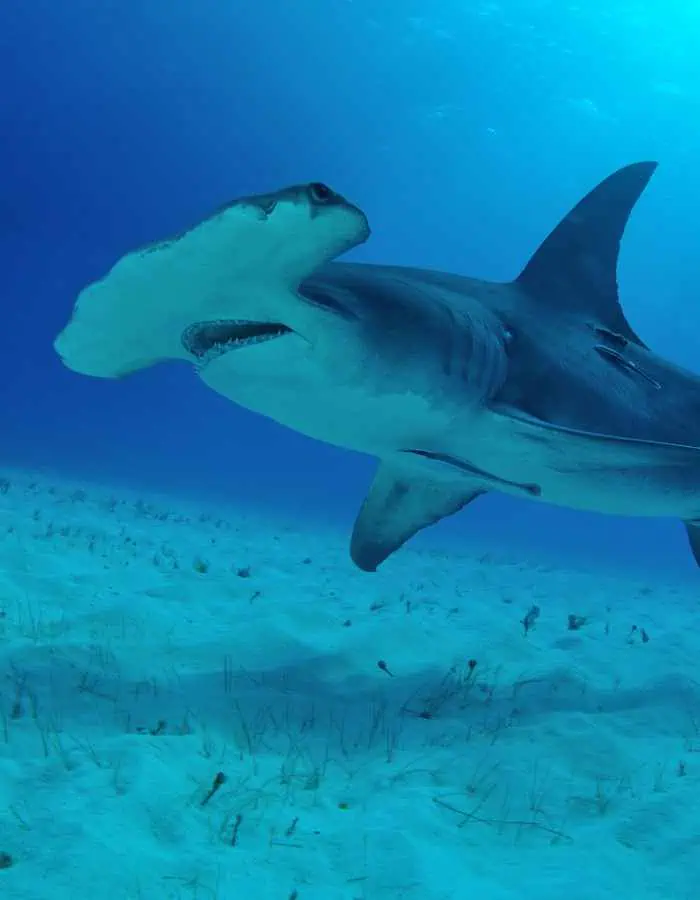
- Hammerheads: Rare but not unheard of. You’ll need some luck and deeper water to spot them.
These sharks aren’t looking for trouble. Most of them are more scared of you than you are of them.

Why Sharks Are Important
Sharks are critical to ocean health. They’re apex predators, which means they help regulate the food chain and prevent any one species from taking over.
They keep reef ecosystems in check, especially by controlling populations of fish that could otherwise damage coral growth.
A healthy shark population leads to a healthy reef, which supports biodiversity and tourism alike.
Shark Conservation in Cozumel
Cozumel isn’t just passively coexisting with sharks. There’s real effort going into protecting them:
- Protected Areas: Cozumel is part of the Mesoamerican Reef Marine Protected Area. These zones limit fishing and protect marine life.
- Fishing Rules: Mexico enforces restrictions to limit shark bycatch and protect juvenile populations.
- Research Projects: Ongoing studies help track shark behavior and support science-based conservation.
- Education Programs: Dive shops and marine groups regularly teach locals and tourists why sharks matter and how to interact responsibly.
These efforts help make sure Cozumel stays a safe and sustainable place to dive.
Diving With Sharks in Cozumel
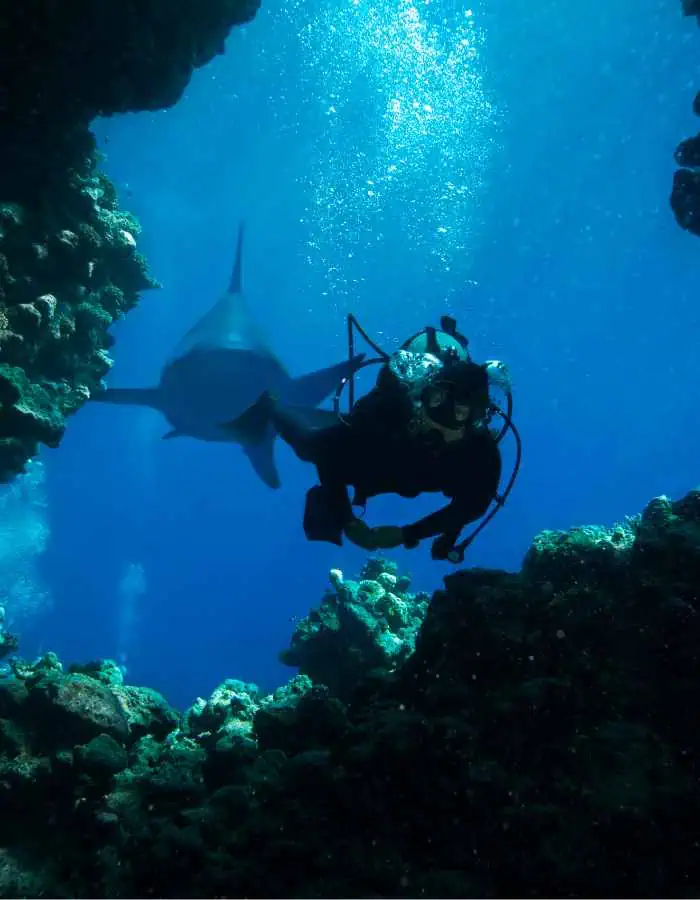
Want to see sharks in the wild? Here’s where to go and what to know:
Best Dive Sites for Sharks
- Punta Sur: Big walls, deep water, and strong currents. Winter is best for bull shark sightings.
- Santa Rosa Wall: Look for reef sharks patrolling the drop-off. Strong current, exciting dives.
- Palancar Reef: More known for coral, but nurse sharks and even hammerheads sometimes cruise by.
Choosing a Dive Shop
Go with an operator that:
- Has a solid safety record
- Follows marine park regulations
- Prioritizes conservation education
- Has experience with shark dives
Safety Tips
- Don’t chase or touch sharks
- Keep calm and move slowly
- Stay close to your guide
- Respect their space and treat them like wild animals, not attractions
Frequently Asked Questions: Shark Attacks in Cozumel
How common are shark attacks in Cozumel?
Shark attacks in Cozumel are extremely rare. The few documented cases are mostly non-fatal, making it one of the safest places for swimming and diving
What kind of sharks are in Cozumel?
In Cozumel, you can find nurse sharks, reef sharks, bull sharks, and occasionally, hammerhead sharks.
Are there great white sharks in Cozumel?
No, great white sharks are not typically found in Cozumel.
Is it safe to dive in Cozumel?
Yes. Cozumel is one of the most popular and well-regulated dive spots in the world.
What’s the best time of year to see sharks in Cozumel?
The best time to see sharks in Cozumel is during the winter months, from November to March, when water conditions and shark activity are optimal for sightings.
Wrap-Up: Shark Attacks in Cozumel
Cozumel is one of the safest places in the world to be in the water, sharks included.
The chances of an attack are incredibly low, and most of the species you might encounter are shy, uninterested in humans, or both.
If you’re hoping to avoid sharks altogether, chances are you won’t see one.
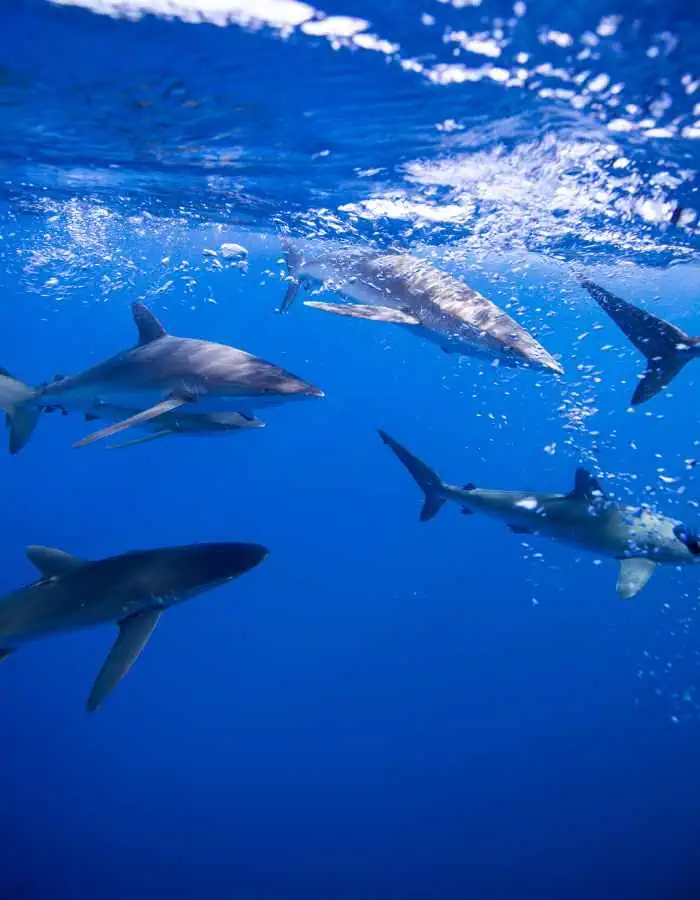
But if you’re hoping to spot one in the wild, especially on a deeper dive with an experienced guide, it’s possible with a little patience and a bit of luck.
Either way, Cozumel gives you the opportunity to explore an underwater world that’s full of life and surprisingly low on drama. And that’s part of what makes it such an incredible place to get in the water.
Related Posts
- Cozumel Diving: The Complete Guide (By a Local )
- Best Cozumel Reefs for Diving and Snorkeling
- Local’s Guide to the Cozumel National Marine Park
- Amazing Cenotes for Mexico Cave Diving (From a Local )
- Best Places to Snorkel in Cozumel
- Best Snorkel Tours in Cozumel
- Is Cozumel Safe? Here’s What You Need to Know
- What Not to Do in Cozumel: 15 Things to Avoid
- 11 Best Free Beaches in Cozumel (and 5 Almost Free)
- Is Cozumel Worth Visiting? (By a Local)
Pro Tips for Your Mexico Trips
Do I need travel insurance?
YES. No matter when you visit Mexico, don’t forget to buy travel insurance. It’s a small price to pay for peace of mind. If you need it once it will pay for itself many times over. I highly recommend Safety Wing. They have a proven track record for customer satisfaction and a variety of coverage levels.
Is it safe to rent a car in Mexico?
YES. Renting a car in Mexico is not only safe, but it’s a great way to explore. Discover Cars is hands down the best rental car company. They check international and local companies to get you the best rates.
Will my phone work in Mexico?
Maybe — It depends on your company, so check with your provider. If you don’t have free service in Mexico, the least expensive option is to buy a Telcel SIM card. As Mexico’s largest carrier, Telcel has the best coverage of any Mexico SIM Cards. I have one and it’s been a lifesaver.
You can also get an eSIM. Airalo has coverage in over 200 countries/regions, including Mexico.
What’s the best way to book my Mexico accommodations?
For Mexico hotels, Booking.com is the best site, but for hostels, check out Hostel World. If you’re considering a Mexico Airbnb, don’t forget to check VRBO, which is often cheaper with more options.
What do I pack for Mexico?
My Mexico packing list has all the info you need on packing for your trip to Mexico.
What’s the best site for great deals on flights to Mexico?
For finding cheap Mexico flights, I recommend using Skyscanner.
Do I need a visa for Mexico?
Probably Not. U.S., Canadian, and most European passport holders don’t need a visa for Mexico. To verify if you’ll need a Mexico travel visa check the Mexican Consulate’s website.
For assistance with all your worldwide visa questions, check out iVisa.
