
This handsome young man was born in 1952. But behind the fame lies a painful
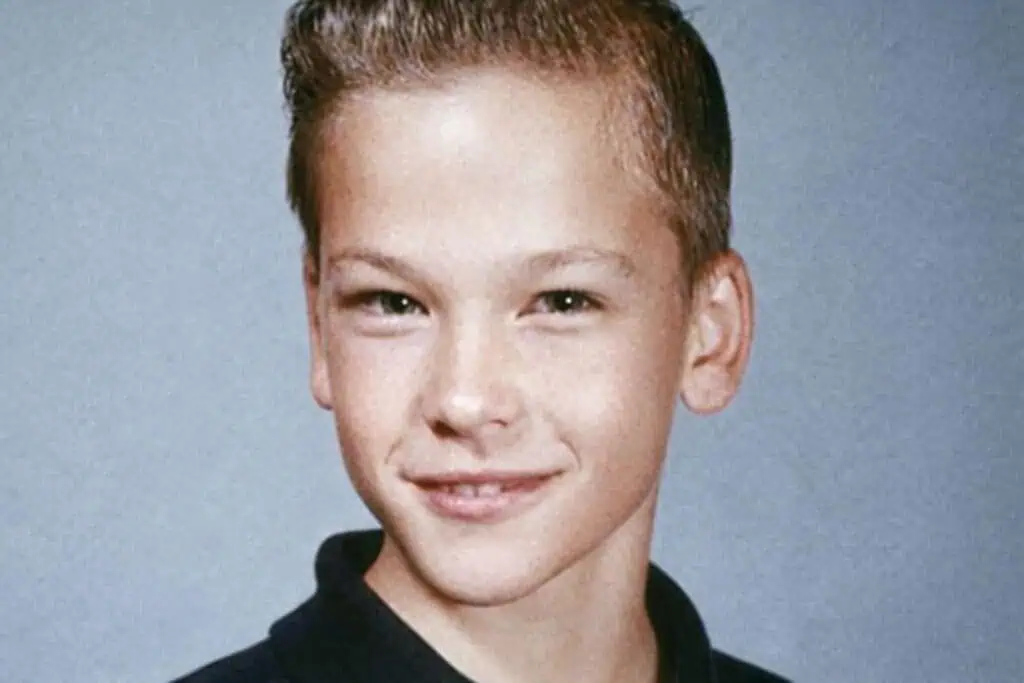
This handsome young man was born in 1952. But behind the fame lies a painful story of bullying, loss, and addiction before rising to Hollywood greatness. So who is he?
By the time the world came to know Patrick Swayze as fearless, magnetic, and almost untouchable on screen, a lot of what shaped him had already happened away from public view. The applause, the fame, the movie posters, all of that came later. Before any of it, there was just a boy trying to find his place in Houston, learning early that being different could make life harder than it should be.
And in a way, that never fully left him.
Before he became one of Hollywood’s most recognizable leading men, Patrick Swayze was a kid dealing with more than most people ever knew. He carried both visible and invisible bruises, the kind that don’t really show up in photos but stay with someone anyway. The world would eventually see him as confident, graceful, and strong. But that version of him didn’t appear out of nowhere. It built up slowly, with discipline, setbacks, and just a lot of stubborn determination honestly, the kind that keeps pushing even when things aren’t working out.
As a child, Patrick stood out, and not always in ways that made life easy. He was drawn to movement and expression, especially dance, and that alone made him an easy target for teasing. Ballet in particular became something people around him didn’t understand. He was mocked for it, picked on, sometimes pretty harshly. Still, he didn’t stop. Even when it would have been easier to quit, he kept going back to the studio. Looking back, that choice seems small, but at the time it was everything.
That early toughness was tested again when another path he cared about started to fall apart. Football had been a serious part of his life, something he put real energy into, and for a while it looked like it might define his future. Then a knee injury changed that completely. Just like that, one version of his life ended before it really began.
For a lot of people, that kind of moment can shake everything. It’s not just about the sport, it’s about identity. Patrick could have gone in that direction too, but instead he shifted. If football closed a door, dance became the thing that kept him moving forward, even if he didn’t fully realize it at the time.
Eventually, that path carried him away from Texas and toward New York, where things started to take shape more seriously. He trained, performed, and slowly built a kind of discipline that wasn’t just physical anymore. It was emotional too. Rejection wasn’t new to him by then, so he didn’t treat it like an ending. It was just part of the process.
In studios and rehearsal spaces, he wasn’t only learning choreography or lines. He was learning how to channel everything he had lived through into performance. The frustration, the injuries, the doubts, even the quiet anger, it all started to become something he could use instead of something that weighed him down.
When success finally came, it didn’t arrive slowly or quietly. It really hit all at once. Films like Dirty Dancing and Ghost turned him into a global star almost overnight. But more than just fame, he became something of a presence in pop culture. A mix of strength and vulnerability that audiences didn’t see very often.
People weren’t just watching him act. They were feeling something in it. The way he moved, the way he held emotion without overplaying it, there was a kind of honesty that stood out. He made intensity look controlled, even quiet at times, which probably came from everything he had been through before fame ever arrived.
But success has a strange way of putting pressure on old wounds. The more visible he became, the harder it was to keep everything else under control. Public attention doesn’t really leave much space for private struggles, even when someone needs it most. Like many performers, he went through periods where coping wasn’t simple or clean. There were habits and choices that reflected stress more than anything else, and it was something he carried alongside his career, not separate from it.
Still, there was one steady part of his life that never really broke apart. His relationship with Lisa Niemi was something that existed long before Hollywood changed everything. She knew him before the fame, before the pressure, before all of it became larger than life. Their relationship wasn’t perfect, and it never pretended to be. It had real challenges, real arguments, real distance at times. But it also had a kind of understanding that doesn’t come easily.
That connection became even more important later, when life shifted again in a way no one was ready for.
When Patrick was diagnosed with pancreatic cancer, it shocked almost everyone who followed his work. The illness was aggressive and unforgiving, and it came at a time when his life still felt active and unfinished. For someone who had always been defined by movement and energy, suddenly being forced into a battle like that was brutal in ways most people can’t fully imagine.
Even during treatment, he didn’t completely step away. He kept working when he could, kept speaking openly about what he was going through, and tried not to hide from it. There was something very direct about the way he handled it, almost like he didn’t want the illness to define the entire story of his life.
But of course, it was still a fight he couldn’t outrun.
What stands out more than anything is not just what he achieved, but how he kept showing up through all of it. Not perfectly, not without struggle, but consistently. There’s something very human about that, even a bit messy in places, which makes it feel more real.
He wasn’t just remembered for being strong in a cinematic way. He was remembered for being human in a way people could recognize in themselves. Someone who got hurt, adjusted, fell, got back up, and kept going even when things weren’t clear.
When you look at it now, his story isn’t really just about fame or those big roles people remember.It’s about a boy who refused to stop dancing even when people laughed, a man who had to rebuild his life more than once, and an artist who turned personal pain into something others could feel without needing explanation.
He struggled. He adapted. He kept moving forward even when it wasn’t easy or clean.
And that is probably why his legacy still feels alive in a different way.Not as just another Hollywood name, but as a person whose resilience and flaws kind of stick with you, even long after the fame is gone.
