
Traveling With a Dog: How to Handle Emergencies on the Road
Traveling with a dog is usually fun, rewarding, and full of cute moments that make your trip even better.
But when something goes wrong, it can also be incredibly stressful, especially if you’re far from home and unsure where to turn.
I’ve had my fair share of minor scares while traveling with my dog, Shelby. So I’ve learned the hard way that the best time to prepare for an emergency is before it happens.
Whether you’re heading out for a weekend getaway or planning a longer trip, here’s how to handle emergencies while traveling with a dog, without losing your cool.

Before You Leave: How to Be Proactive
When you’re traveling with a dog, being prepared is the best gift you can give both of you. A little planning now can make a big difference if something unexpected happens later.
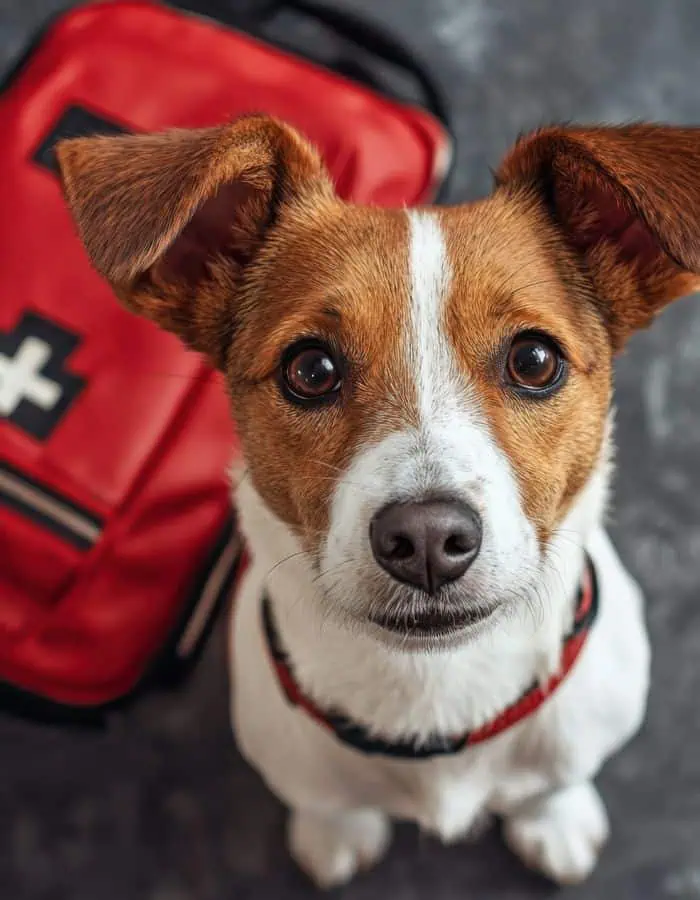
1. Pack a Dog First-Aid Kit
You don’t need a suitcase full of supplies, just a few basics that can help in a pinch.
What to include:
- Vet-approved pain reliever (ask your vet what’s safe)
- Tweezers and tick remover
- Gauze and self-adhesive bandages
- Saline rinse
- Benadryl for allergies or insect bites (check the dose with your vet)
- Digital thermometer (and know what’s normal for dogs)
You can make your own or buy a pre-packed one and customize it for your dog’s needs.
2. Save Emergency Contacts in Your Phone
Before your trip, take a few minutes to look up:
- The closest 24-hour vet or emergency animal hospital near your destination
- Local animal control or the pet poison helpline
- Your regular vet at home, in case you need to share records or ask questions
Label them clearly in your phone. I save mine under names like “Vet Sedona” so they’re easy to find if I’m in a panic.
3. Keep Your Dog’s Health Info Accessible
While traveling with a dog, it helps to keep a copy of their records on hand. I carry both a printed version and a digital backup.
What to include:
- Vaccination records
- Microchip number
- Medication list
- Notes on any chronic conditions or allergies
If you’re traveling internationally, some of this may be required anyway, so you’ll be ahead of the game.
How to Spot Trouble Early
Dogs are great at hiding pain, so you’ve got to watch for subtle signs that something might be wrong.
Keep an eye out for:
- Unusual tiredness or hiding
- Vomiting or diarrhea that doesn’t pass quickly
- Limping or favoring one side
- Shaking or panting without heat or exertion
- Skipping meals or not drinking water
When you’re traveling with your dog, it’s easy to overlook the early warning signs in the middle of all the fun. But catching issues early can save you a vet visit later.

What to Do in a Real Emergency
If your dog is clearly in distress or showing signs of illness or injury, here’s how to respond.
1. Stay Calm and Keep Your Dog Calm
Your dog will take cues from you. Speak gently, move slowly, and do your best to stay collected even if your mind is racing.
2. Get Them to a Safe Place
Move them away from crowds, traffic, or anything else that might make things worse. If you’re driving, secure them in a crate or with a seatbelt harness.
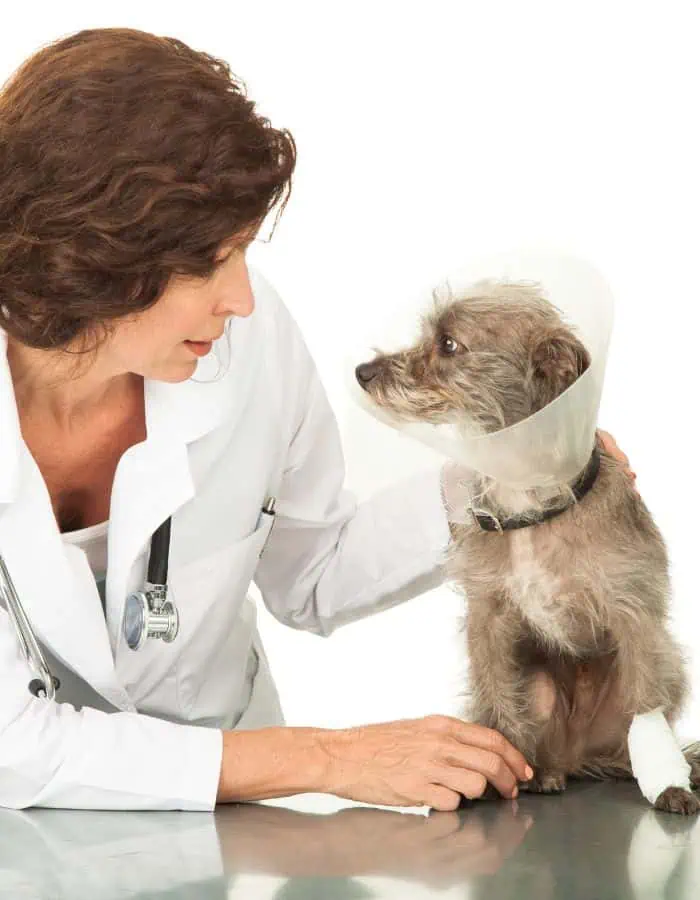
3. Call a Local Vet or Emergency Clinic
Call ahead if possible to make sure they’re open and let them know you’re coming. If you’re in another country and dealing with a language barrier, use Google Translate or ask someone nearby for help.
4. Use Your First-Aid Kit
Stop bleeding, flush wounds, remove ticks, or stabilize your dog until you can get to a vet. Only do what feels safe for both of you, and don’t try to treat anything major on your own.
Helpful Apps and Tools for Traveling With a Dog
A few tools can make things a lot easier if something goes sideways:
- Pet First Aid by the American Red Cross: Simple guides and videos
- VetFinder: Lists nearby vets in the U.S.
- Google Maps: Type in “emergency vet near me” and filter by what’s open now
- AirVet or Pawp: For virtual vet consultations when you’re in a remote area
Wrap-Up: Dealing With Dog Emergencies on the Road
Traveling with a dog is a joy, but it does come with extra responsibility. The good news is you don’t need to be a vet or pack a medical van. You just need a plan.
Being prepared gives you peace of mind, which makes every part of your trip more enjoyable.
You already do so much to give your dog a great life. Taking a little extra time to plan for emergencies means you’re ready for the unexpected, without letting it ruin your trip.
If you’re hitting the road soon, this is one of those things you’ll be glad you thought about.
Related Posts
- Guide to Planning a Road Trip With A Dog Without The Stress
- How to Help Dogs With Car Anxiety
- Best Dog-Friendly Hotel Chains in the United States
- Most Dog-Friendly Restaurant Chains in the United States
- Flying Internationally With a Dog in the Cabin: What You Need to Know
- 15 Dog-Friendly National Parks You’ll Both Love Exploring
- Looking for the Best Travel Dog? Here’s How to Find the Right Rescue
- Renting a Car With a Dog: What to Know Before You Hit the Road
