Where to Live in Mexico: 12 Best Cities For Digital Nomads & Expats
With low living costs, incredible food, and endless choices of cities and towns, Mexico has become one of the most popular countries for remote workers and expats.
Whether you picture yourself on a beach, in a historic colonial town, or in the middle of a modern city, Mexico has options.
The hard part is figuring out where to live in Mexico that actually fits your lifestyle.
I’ve been living and working remotely in Mexico since 2022. I’ve spent time in beach towns, big cities, and tiny fishing villages.
Some I loved enough to stay for months. Others I knew weren’t for me after a week.
Here are 12 of the best places for digital nomads in Mexico and what it’s actually like to live in each one.
Best Cities in Mexico for Digital Nomads
1. Campeche
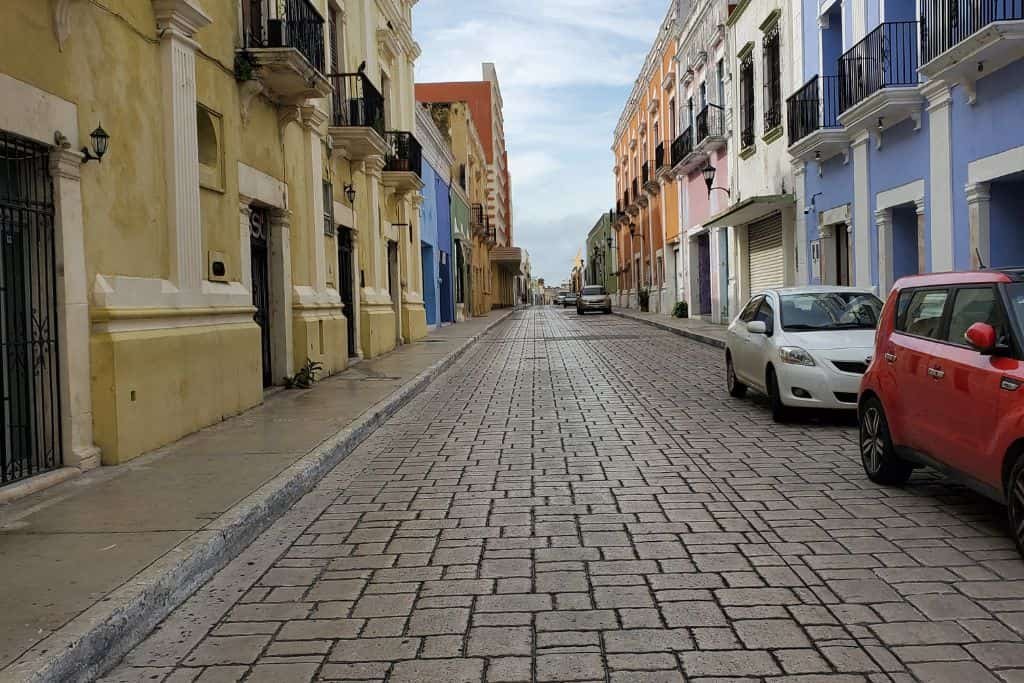
Vibe: Peaceful, historic, low-key
Campeche is one of those places that surprises you. It’s a coastal colonial city on the western side of the Yucatán Peninsula, with pastel-colored buildings, a laid-back pace, and barely any tourists compared to Mérida or Playa del Carmen.
I lived in Campeche for two months and honestly didn’t want to leave. There is so much to do that it was hard to get any work done.
What it’s like to live in Campeche
- The historic center is small and walkable. You’ll find open plazas, local cafes, and quiet streets lined with colorful homes.
- There are fewer nomads here, so you’ll need to be more independent, but that also means it hasn’t been overtaken by tourism.
- The internet in the center is reliable enough for remote work. I had no issues working from home or from cafes.
Pros
- Super safe. I walked home at night regularly and felt fine.
- Friendly locals who are happy to help you get settled.
- No party scene, so it’s peaceful.
Cons
- Limited coworking options (you’ll mostly work from home or cafes).
- Can feel too quiet if you crave nightlife or a big social scene.
Where to live
Stick to the Centro Histórico or nearby neighborhoods like San Román or Santa Ana. They’re central, safe, and close to cafes and restaurants.
Nearby adventures
You can day trip to Edzná (a stunning Mayan ruin with almost no tourists), visit the Calakmul biosphere reserve, or take weekend trips to cenotes and Gulf coast towns.
If you want a peaceful, affordable city with real Mexican culture and hardly any crowds, Campeche might be your spot.
2. Cancun

Vibe: Big city beach life with nightlife and easy travel connections.
Cancun is famous for its Hotel Zone resorts, but if you stay longer you see a different side.
There’s a busy local city behind the tourist strip with great food, local markets, and neighborhoods where people actually live.
I lived in Cancun when I first arrived in Mexico. I explored neighborhoods outside the Hotel Zone and found it surprisingly livable, especially if you avoid the all-inclusive area.
What it’s like to live in Cancun
- Reliable internet and plenty of coworking spaces or cafes.
- Big international airport with cheap flights to the U.S. and across Mexico.
- A huge variety of restaurants, from street tacos to upscale dining.
- You can escape the city with weekend trips to Isla Mujeres, cenotes, or Mayan ruins.
Pros
- Easy travel in and out of Mexico.
- Lots of modern amenities like malls, gyms, and supermarkets.
- Plenty of beaches within minutes.
- Big international community so it’s easy to meet people.
Cons
- Tourist areas can feel crowded and overpriced.
- Traffic and noise are common, especially in the city center.
- Hurricane season can be intense from June to November.
Where to live
Neighborhoods like Lombardo Toledano near Puerto Juarez feel more local and relaxed. If you want to be closer to nightlife, check out the central areas in downtown.
Nearby adventures
Day trips to Isla Mujeres, Playa del Carmen, or cenotes in the jungle are easy. You can also explore Chichen Itza or Tulum on weekends.
3. Cozumel

Vibe: Quiet island life with world-class diving and snorkeling.
Cozumel is where I ended up staying far longer than planned. I came for a month and over two years later I was still here.
It’s a small island across from Playa del Carmen known for its reefs, relaxed pace, and tight-knit community.
What it’s like to live in Cozumel
- Small-town feel where you quickly recognize faces at local cafes and markets.
- Reliable internet, including free Wi-Fi in the main square.
- Outdoor lifestyle centered around diving, snorkeling, and beach walks.
- Fewer nightlife options, but plenty of casual bars and live music spots.
Pros
- Extremely friendly community of locals and expats.
- Easy ferry access to Playa del Carmen and mainland Mexico.
- Quiet beaches and uncrowded snorkeling spots.
- Safe and walkable, especially in the main town of San Miguel.
Cons
- Limited shopping and specialty items. You may need to take the ferry for big purchases.
- Smaller nomad scene than Playa del Carmen or Mexico City.
- Cruise ship days bring crowds to downtown.
Where to live
San Miguel is the main town and best for amenities. If you want quiet, look at neighborhoods south of town like Corpus Christi.
Nearby adventures
Ferry trips to Playa del Carmen or Tulum, exploring Mayan ruins, or diving on reefs like Palancar and Colombia.
4. Guadalajara
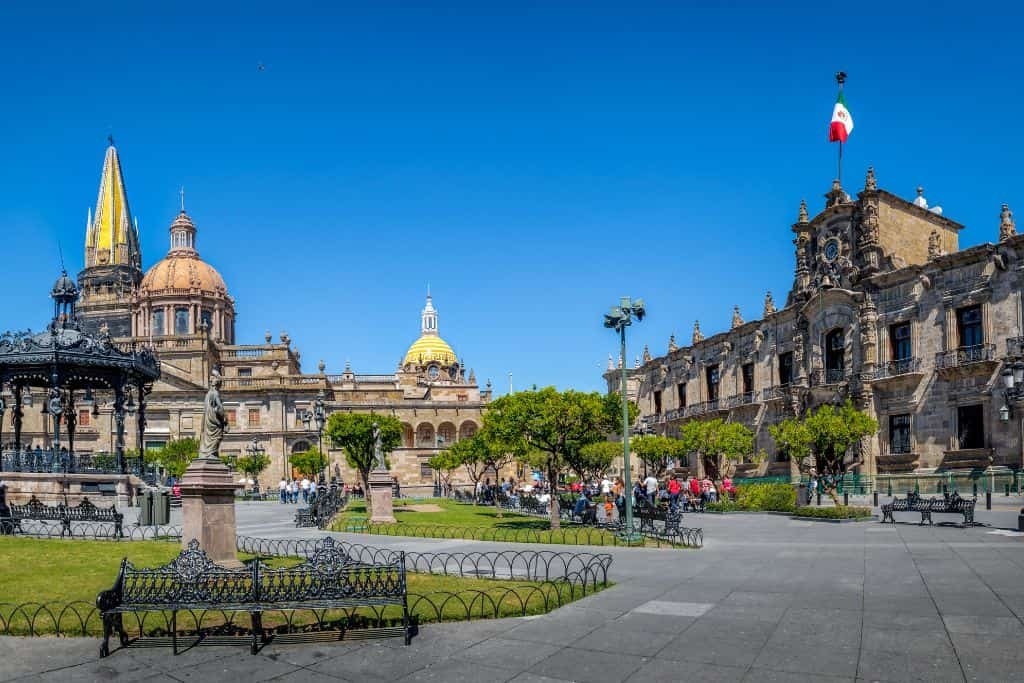
Vibe: Big city energy with a tech and cultural scene.
Guadalajara is Mexico’s second-largest city and often called the country’s Silicon Valley.
It’s got a strong tech industry, lively cultural events, and a mix of historic charm and modern conveniences.
What it’s like to live in Guadalajara
- Fast internet and a growing number of coworking spaces.
- Big creative and startup scene, so networking is easy.
- Affordable compared to Mexico City but still has all the conveniences.
- Excellent public transport and easy access to day trips.
Pros
- Rich cultural life with mariachi, tequila tours, and traditional festivals.
- Close to Lake Chapala and small colonial towns like Tlaquepaque.
- Variety of neighborhoods, from trendy to quiet residential areas.
- Strong food scene, especially local specialties like tortas ahogadas and birria.
Cons
- Traffic can be intense during rush hour.
- Not as many beaches or nature escapes nearby compared to coastal towns.
- Air quality can be poor during dry season.
Where to live
Chapalita and Americana are popular with expats and nomads. They’re central, walkable, and packed with cafes. Providencia is more upscale and residential.
Nearby adventures
Visit Tequila for distillery tours, explore Ajijic on Lake Chapala, or head to the mountain town of Tapalpa for hiking.
5. Mérida
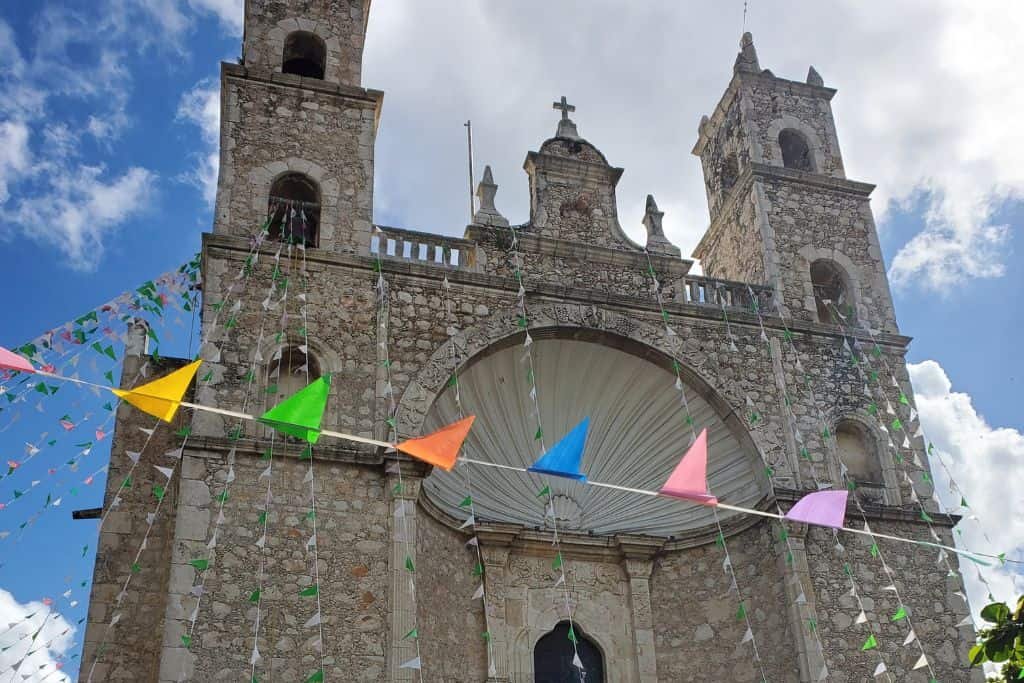
Vibe: Colonial charm and cultural capital of the Yucatán.
Mérida blends colorful architecture, Mayan history, and a lively arts scene. It’s inland but close enough to beaches like Progreso if you want coastal escapes.
I lived near Mérida in Chicxulub Puerto for a month. The beach was so close I could hear the waves during Zoom calls (loud enough that I had to close the windows sometimes).
What it’s like to live in Mérida
- Reliable internet and plenty of cafes with strong Wi-Fi.
- Known as one of the safest cities in Mexico.
- Beautiful colonial neighborhoods like Centro Histórico with plazas and mansions.
- Hot climate year-round, especially April through August.
Pros
- Affordable living compared to other Yucatán cities.
- Active expat and digital nomad community.
- Weekly cultural events, markets, and festivals.
- Easy trips to cenotes and Mayan ruins like Uxmal.
Cons
- Heat and humidity can be intense.
- Beaches are nearby but not as clear as the Caribbean coast.
- Limited nightlife compared to Cancun or Playa del Carmen.
Where to live
Centro is popular for colonial homes and walkability. Santiago and Santa Ana are quieter but still central.
Nearby adventures
Progreso Beach is just 30 minutes away, cenotes like Cuzamá are close, and Mayan sites like Uxmal make easy weekend trips.
6. Mexico City
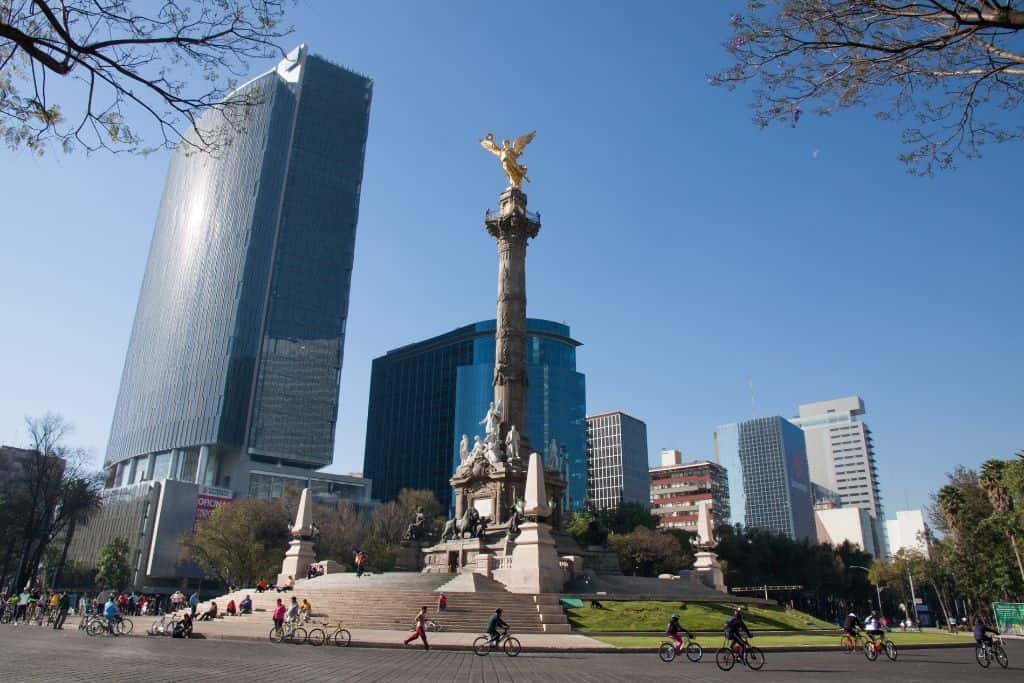
Vibe: Massive, fast-paced, and full of history and food.
Mexico City is one of the biggest cities in the world and has something for everyone. World-class museums, vibrant neighborhoods, and incredible food make it a top choice for nomads who thrive in big cities.
What it’s like to live in Mexico City
- Reliable internet and endless coworking spaces and cafes.
- Huge variety of neighborhoods with different vibes.
- Public transportation is cheap and efficient (metro, buses, rideshare).
- Food scene is unmatched, from street tacos to fine dining.
Pros
- Endless things to do: museums, concerts, markets, day trips.
- Active digital nomad community and networking opportunities.
- Affordable compared to other major world cities.
- Easy flights to anywhere in Mexico or abroad.
Cons
- Air pollution and traffic are ongoing issues.
- Altitude (7,000 feet) can take time to adjust to.
- Some neighborhoods require extra caution for safety.
Where to live
Condesa and Roma are favorites for nomads, with leafy streets, cafes, and coworking spaces. Polanco is more upscale, while Coyoacán has a more bohemian vibe.
Nearby adventures
Day trips to Teotihuacan pyramids, Xochimilco canals, and Puebla for food and history.
7. Monterrey
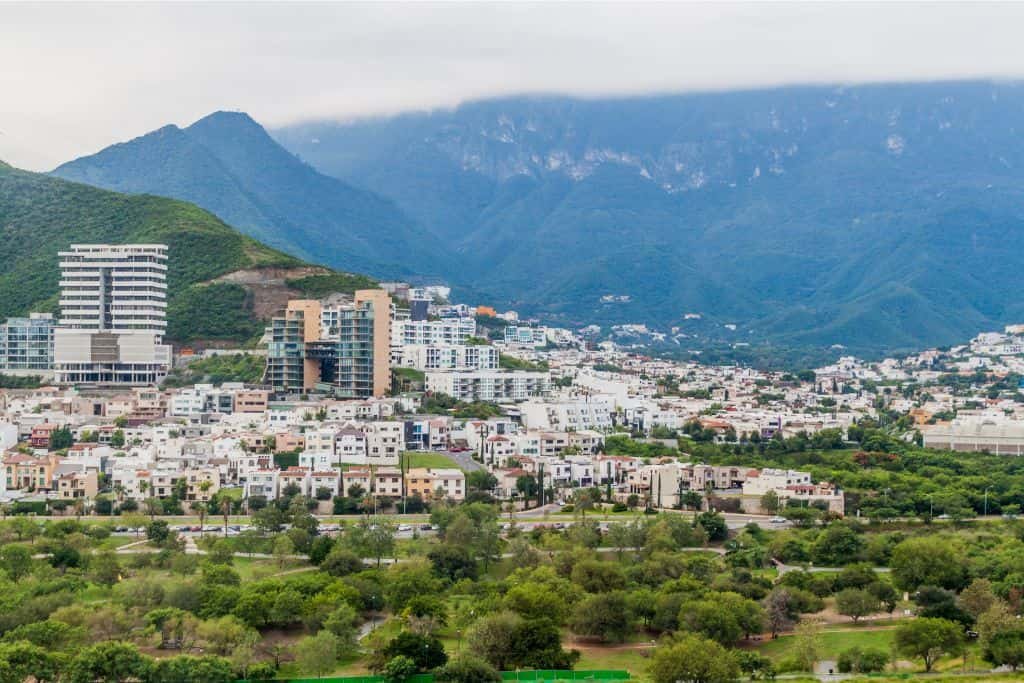
Vibe: Industrial hub with mountain views and outdoor adventures.
Monterrey is a major business center in northern Mexico surrounded by dramatic mountains.
It’s more modern and less touristy than coastal towns, with a strong entrepreneurial vibe. It’s also considered one of the safer large cities in Mexico, especially in certain neighborhoods
What it’s like to live in Monterrey
- Reliable internet and modern coworking spaces.
- Big city with malls, restaurants, and nightlife.
- Close to hiking and climbing in nearby national parks.
- Warmer climate with dry summers and mild winters.
Pros
- Outdoor activities like hiking in Chipinque or Huasteca Canyon.
- Good infrastructure and modern amenities.
- Strong business and startup community.
- Close to the U.S. border for quick trips north.
Cons
- Less of a tourist scene means fewer English speakers.
- Higher living costs compared to other Mexican cities.
- Not a beach destination.
Where to live
San Pedro Garza García is upscale and safe. Centro is more affordable but busier.
Nearby adventures
Huasteca Canyon, Cola de Caballo waterfall, and weekend trips to Santiago or Saltillo.
8. Playa del Carmen
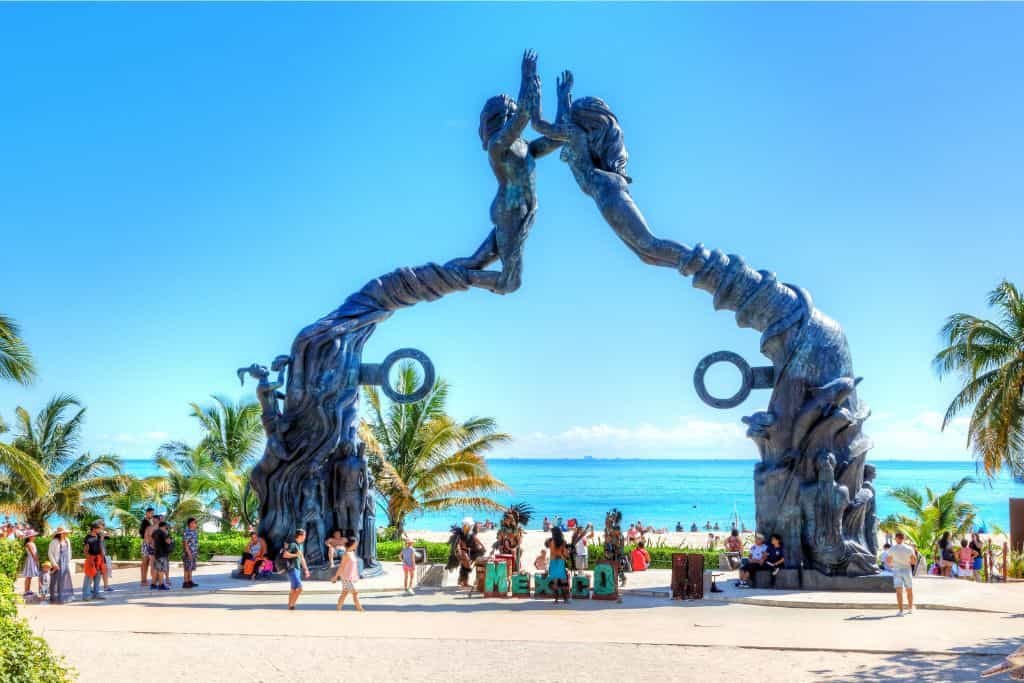
Vibe: Tropical beach town with a big digital nomad community.
Playa del Carmen is one of the most popular places in Mexico for remote workers. It’s walkable, has tons of coworking spaces, and sits right on the Caribbean coast.
It’s more crowded and touristy than Cozumel, but also has more conveniences, restaurants, and events. If you want a social scene, this is where you’ll find it.
What it’s like to live in Playa del Carmen
- Fast internet and multiple coworking options.
- Fifth Avenue (Quinta Avenida) is the main strip for shopping, restaurants, and nightlife.
- Huge variety of housing from budget studios to high-end condos with rooftop pools.
- Beaches are beautiful, but some get seaweed (sargassum) at certain times of the year.
Pros
- Easy to meet other nomads and expats.
- Great location for day trips to Cozumel, cenotes, or Mayan ruins.
- Walkable city center with plenty of cafes and restaurants.
- Good balance of beach life and modern amenities.
Cons
- Busy and touristy, especially in high season.
- Cost of living is higher than smaller towns in Mexico.
- Some areas can feel noisy, especially near Fifth Avenue.
Where to live
Gonzalo Guerrero and Zazil-Ha are central but quieter than Fifth Avenue. Playacar is gated and upscale if you want something more residential.
Nearby adventures
Easy trips to Cozumel by ferry, Tulum’s ruins, or jungle cenotes like Cenote Azul and Dos Ojos.
9. Puerto Escondido
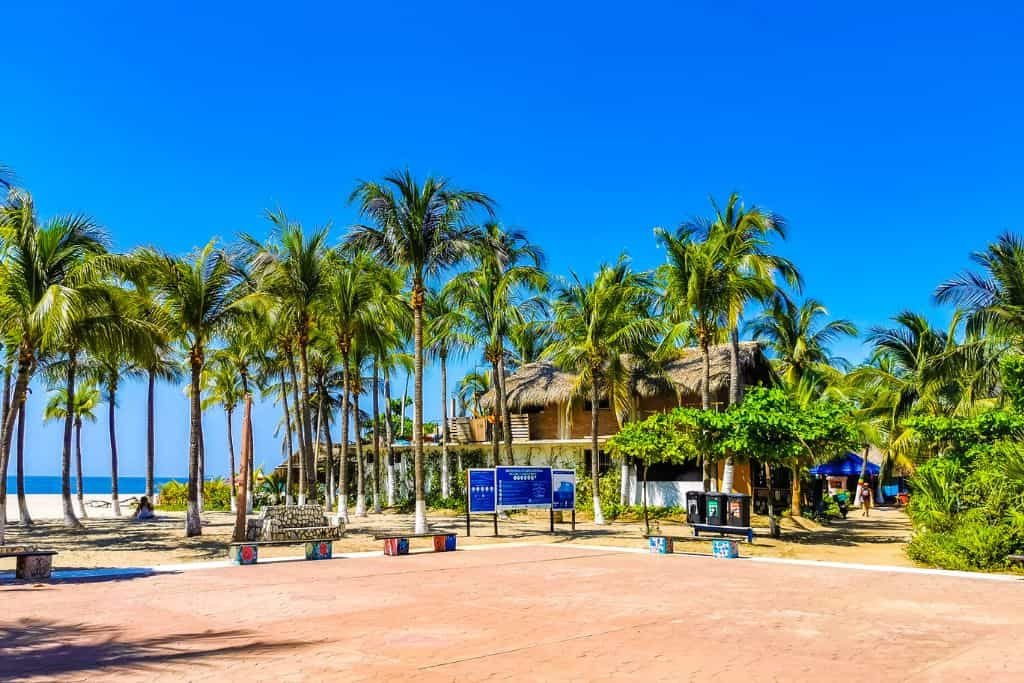
Vibe: Surf town with a chill, bohemian feel.
Puerto Escondido sits on Oaxaca’s Pacific coast and is known for world-class surf and a laid-back vibe.
It’s less polished than Playa del Carmen or Sayulita, but has a growing digital nomad scene.
What it’s like to live in Puerto Escondido
- Slower pace of life with a focus on the beach.
- Internet is decent in town, but can be spotty in outlying areas.
- Plenty of cafes and a few coworking spaces.
- Warm weather year-round with big surf in Zicatela.
Pros
- Affordable living and local markets.
- Strong surf culture and relaxed lifestyle.
- Beautiful beaches with fewer crowds than other coastal towns.
- Friendly community of travelers and expats.
Cons
- Infrastructure is still developing.
- Limited nightlife and fewer amenities than bigger cities.
- Remote location with fewer flight options.
Where to live
La Punta is popular for its bohemian vibe. Zicatela is the surf hub, while Rinconada is quieter and family-friendly.
Nearby adventures
Lagunas de Chacahua for bioluminescence, Mazunte for turtle conservation, and Huatulco’s beaches.
10. Puerto Vallarta
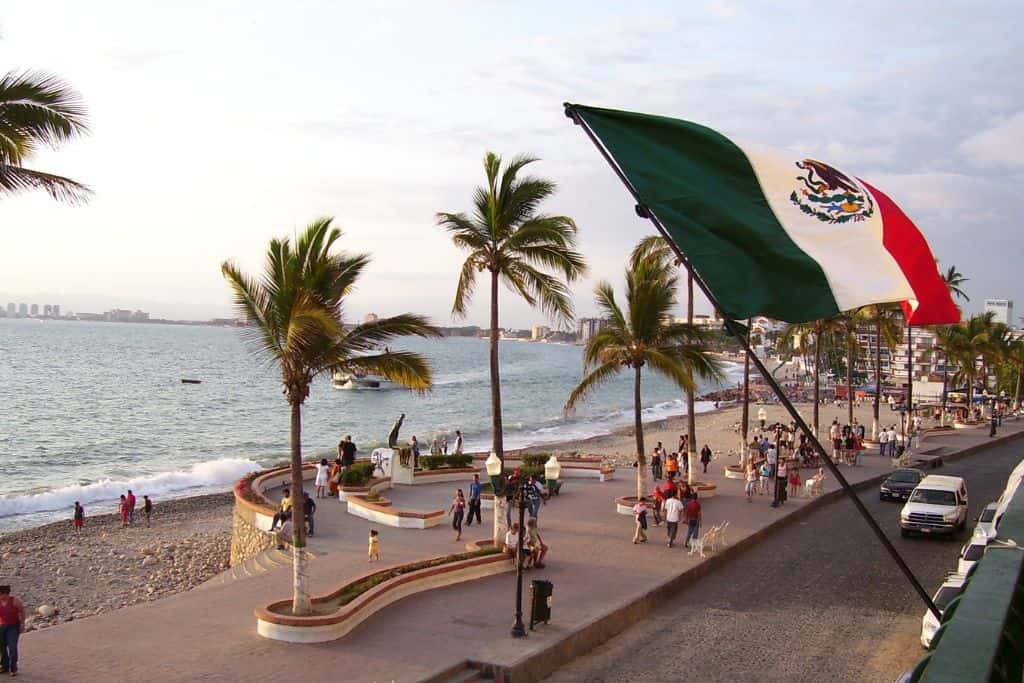
Vibe: Beach city with a mix of resort life and local culture.
Puerto Vallarta is on Mexico’s Pacific coast and offers a balance of beach life, city conveniences, and a big expat community.
It’s popular with retirees but also appeals to nomads looking for a more relaxed beach town.
What it’s like to live in Puerto Vallarta
- Reliable internet and multiple coworking spaces.
- Active social scene with markets, live music, and cultural events.
- Walkable old town with cobblestone streets and vibrant nightlife.
- Plenty of outdoor activities from hiking to whale watching.
Pros
- Great mix of nature, culture, and modern amenities.
- Affordable compared to U.S. beach cities.
- Friendly community and easy to meet people.
- Beautiful sunsets over Banderas Bay.
Cons
- Tourist season can get crowded.
- Humidity is high in summer.
- Some hilly neighborhoods can be tough without a car.
Where to live
Zona Romántica is popular for its cafes and nightlife. Versalles has a growing food scene and is more residential.
Nearby adventures
Day trips to Sayulita, Yelapa, and the Marietas Islands.
11. San Miguel de Allende
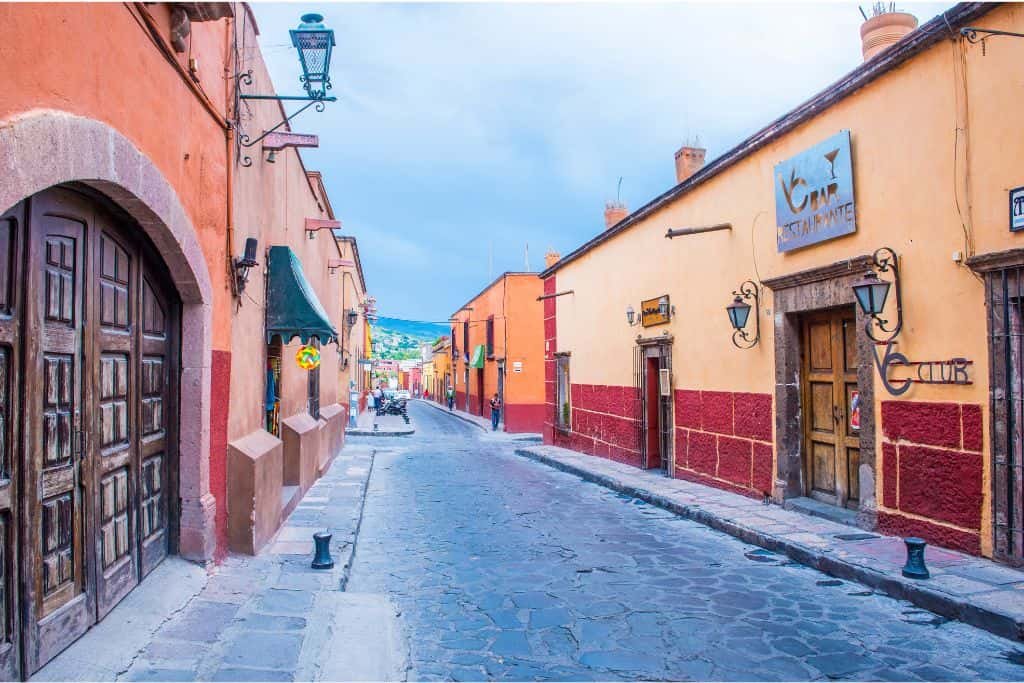
Vibe: Artsy colonial town with a strong expat community.
San Miguel de Allende is in central Mexico and famous for its colorful streets, art galleries, and cultural festivals.
It attracts artists, writers, and retirees, but has become popular with digital nomads too.
What it’s like to live in San Miguel de Allende
- Reliable internet and cozy cafes for working.
- Strong sense of community with plenty of events and meetups.
- Walkable historic center filled with shops and restaurants.
- Mild climate year-round.
Pros
- Beautiful architecture and rich cultural scene.
- Established expat community makes it easy to settle in.
- Safe and friendly environment.
- Great base for exploring central Mexico.
Cons
- Not close to beaches.
- Can be more expensive than surrounding towns.
- Tourist crowds in high season.
Where to live
Centro for walkability, Guadiana for quieter streets, or San Antonio for a mix of local and expat vibes.
Nearby adventures
Hot springs, vineyards, and colonial towns like Dolores Hidalgo.
12. Sayulita
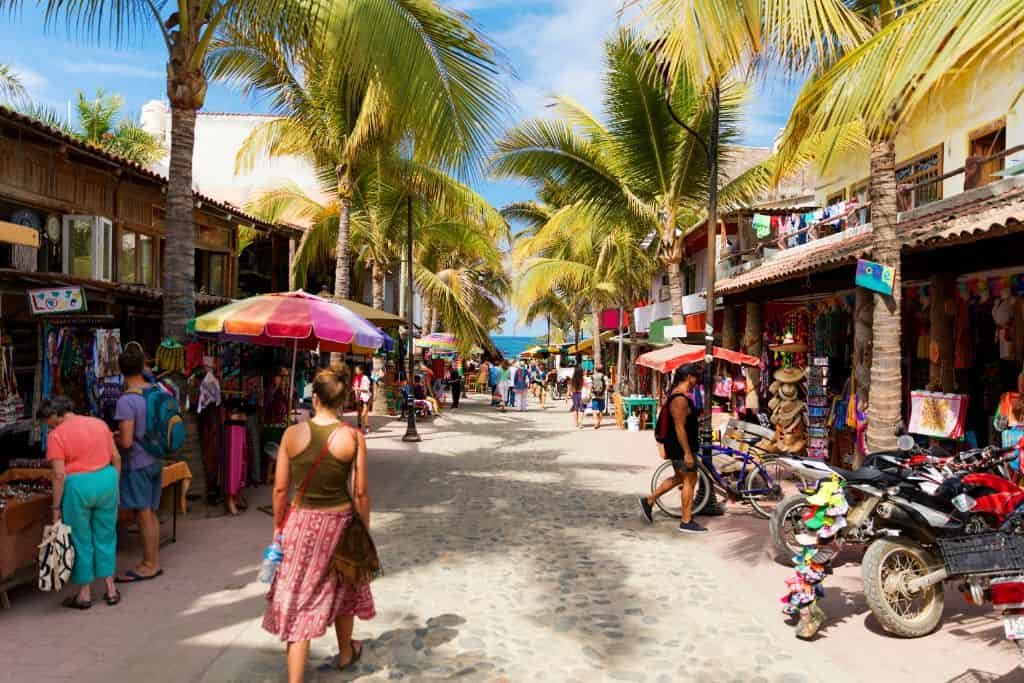
Vibe: Bohemian surf village with a creative energy.
Sayulita is a small beach town north of Puerto Vallarta known for surfing, yoga retreats, and its artistic vibe. It’s colorful, casual, and attracts a mix of backpackers, surfers, and digital nomads.
What it’s like to live in Sayulita
- Chill atmosphere with plenty of beach cafes and casual coworking spots.
- Reliable enough internet for most work, though not as fast as bigger cities.
- Surfing and outdoor life are a big part of the culture.
- Small-town feel with lively markets and street food.
Pros
- Relaxed pace of life.
- Creative community of artists and travelers.
- Easy access to beaches and jungle hikes.
- Close to Puerto Vallarta for flights and bigger amenities.
Cons
- Can feel crowded during peak season.
- Limited infrastructure compared to larger towns.
- Humid and buggy during rainy season.
Where to live
Central Sayulita for walkability or the north end of town for quieter beaches.
Nearby adventures
Hike to San Pancho, visit hidden beaches like Playa Malpaso, or explore the Marietas Islands.
Frequently Asked Questions: Where to Live in Mexico
Is it safe to live in Mexico?
Popular nomad cities like Mérida, Cozumel, and San Miguel de Allende are considered safe. Larger cities have both safe and sketchy neighborhoods. Stay aware, just like you would anywhere.
How is the internet in Mexico?
Big cities and tourist areas have solid connections. Remote towns can be slower, but coworking spaces and cafes often have backups.
Are there coworking spaces in Mexico for digital nomads?
Yes, especially in Mexico City, Playa del Carmen, Puerto Vallarta, and Guadalajara. Smaller towns often have at least one or two.
What are the visa requirements for digital nomads in Mexico?
Most travelers get a tourist visa (up to 180 days). For longer stays, look into the Temporary Resident Visa, which can last up to four years.
What is the healthcare system like in Mexico for digital nomads?
Private healthcare in Mexico is affordable and high quality in major cities. Many nomads buy travel insurance or expat insurance for longer stays.
Wrap-Up: Where to Live in Mexico
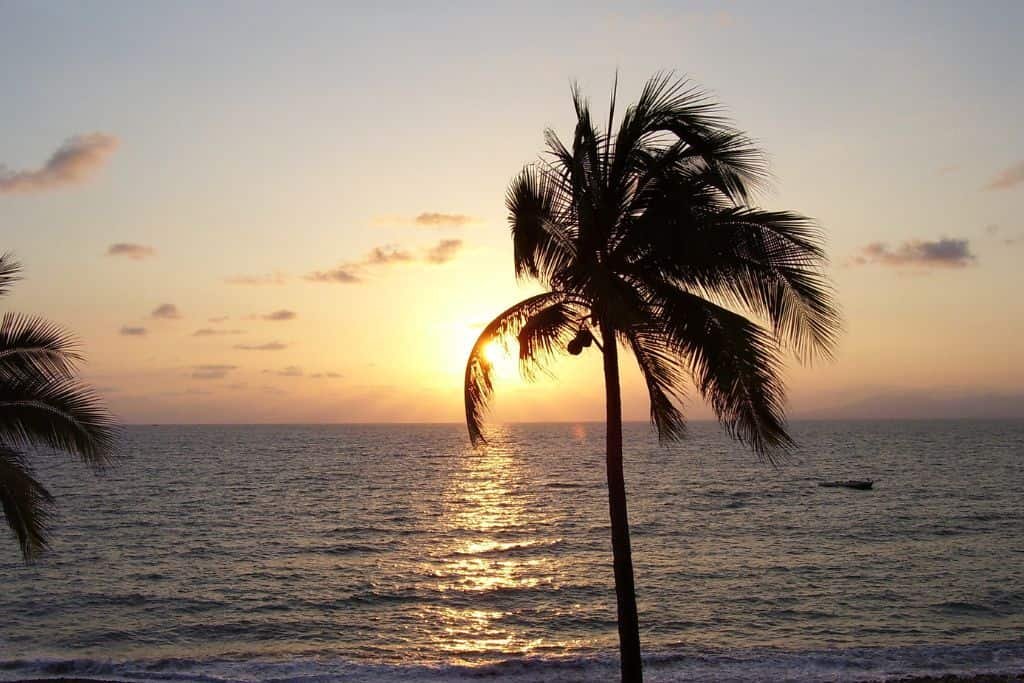
Mexico is one of the best countries for digital nomads because it offers so many different lifestyles.
Want quiet beaches? Try Cozumel or Puerto Escondido. Want big-city energy? Mexico City or Guadalajara. Want colonial charm? Mérida or San Miguel de Allende.
I’ve been here since 2022 and still find new places I want to explore. Whatever vibe you’re after, you’ll find a spot in Mexico that feels like home.
Ladies, join my free, private Facebook group, Women Over 50 Digital Nomads. It’s a safe place to connect, learn, and thrive as a digital nomad. You don’t need to be over 50 but you do need to be a woman.
Related Posts
- Best Spaces for Coliving in Mexico
- Countries With Good and Affordable Healthcare
- The Best Cities for Digital Nomads
- Best Digital Nomad Books
- Older Digital Nomads
- Working for a US Company While Living Abroad
- Navigating the World of Digital Nomad Housing
- Digital Nomad Health Insurance – How to Find Affordable Insurance
- Amazing Digital Nomad Blogs You Must Read
- Digital Nomad Equipment & Gear

