
Why the American Family Road Trip Looks Nothing Like It Did Ten Years Ago
The classic American road trip used to follow a familiar pattern. A packed car, a paper map or early GPS, snacks in the back seat, and a loose plan to stop wherever something interesting appeared. It was part adventure and part chaos, with long drives, unexpected detours, and plenty of “are we there yet” moments along the way. Today, that same road trip still exists, but it feels noticeably different. Technology, changing habits, and new expectations have quietly reshaped how families travel together. The journey is still about spending time on the road, but the experience itself has evolved in ways many families only notice once they look back.
Planning Has Replaced Guesswork

Ten years ago, road trips often involved a fair amount of improvisation. Families would decide on destinations loosely and figure out stops along the way as they drove. There was a sense that not everything needed to be planned in advance.
Today, many trips are mapped out before the car even leaves the driveway. Routes, rest stops, restaurants, and attractions are researched ahead of time. Apps make it easy to estimate travel time down to the minute, which means fewer surprises but also less spontaneity.
The trip feels smoother, but sometimes a little less unpredictable than it once did.
Kids Travel With Their Own Screens
One of the biggest changes sits quietly in the back seat. Where kids once passed time by looking out the window, playing games, or arguing over music, many now travel with tablets, phones, or handheld devices.
Long stretches of road that once required creativity are now filled with movies, games, and headphones. This has made travel easier for parents, especially on longer trips.
At the same time, it has changed the shared experience of the ride. The journey can feel quieter, but also more individual than before.
The Car Itself Has Become Smarter
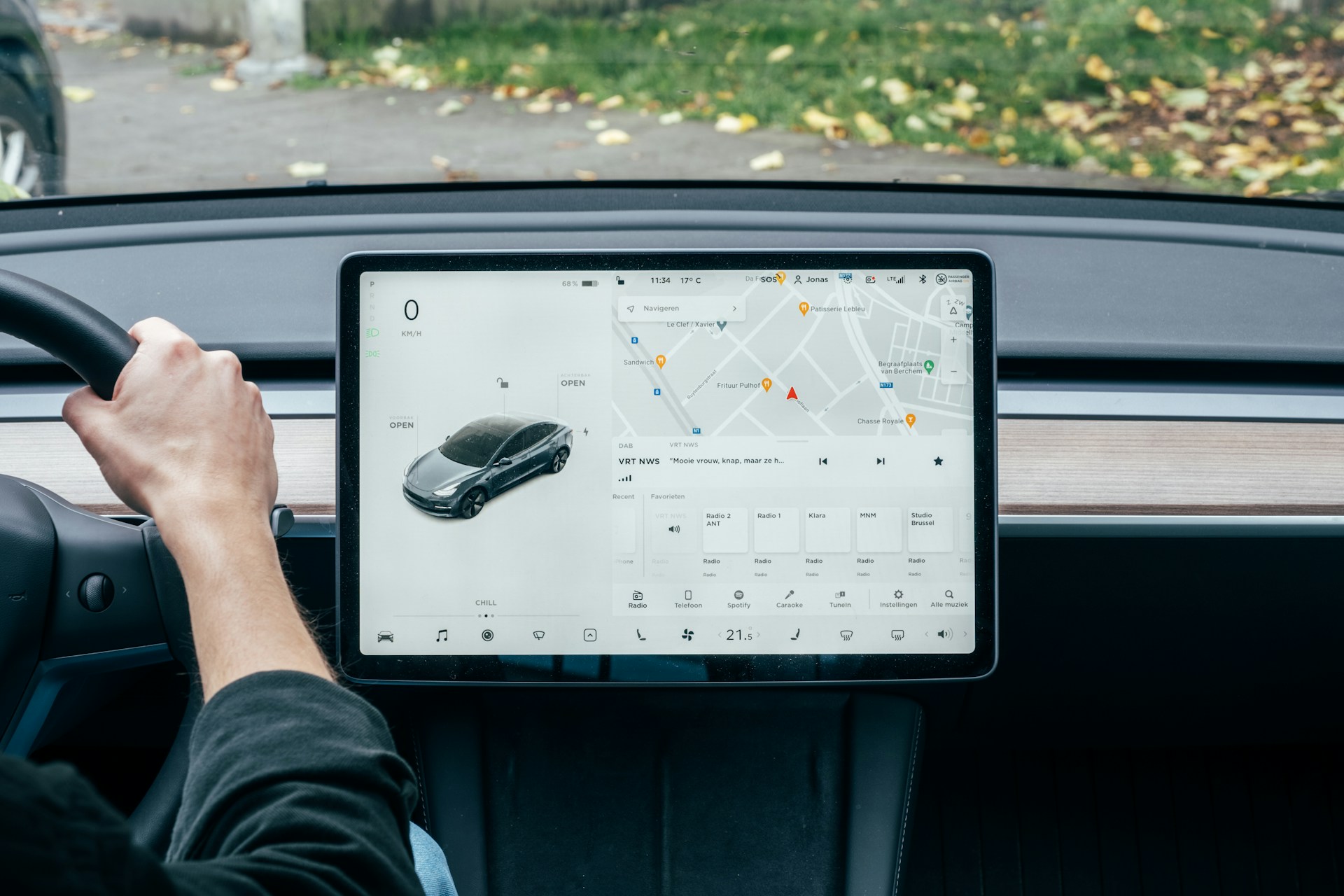
Vehicles today offer features that were less common a decade ago. Navigation systems provide real time updates, cars connect to smartphones, and safety features assist with long drives.
Drivers can avoid traffic, find the nearest gas station instantly, and even locate highly rated restaurants along the route.
These improvements make road trips more efficient and comfortable, reducing many of the small stresses that used to be part of the experience.
Food Stops Are More Intentional
Road trip meals used to rely heavily on convenience. Fast food stops, gas station snacks, and whatever appeared along the highway were often part of the journey.
Now, many families plan their stops around specific restaurants or local favorites they discover online. Reviews, photos, and recommendations make it easy to choose where to eat before arriving.
This shift has made meals more enjoyable, but it also means fewer random discoveries along the road.
Safety and Comfort Are Bigger Priorities

Families today tend to place more emphasis on safety and comfort when traveling. Child safety seats, rest breaks, and well planned routes are taken more seriously than before.
Parents are more aware of travel conditions, weather, and driving fatigue. Trips are often structured to avoid long overnight drives or unpredictable schedules.
This makes road trips feel more controlled and less exhausting, especially for families with younger children.
Spontaneity Has Become More Selective
Spontaneity has not disappeared, but it has changed. Instead of fully unplanned detours, families now make smaller, more intentional choices along the way.
They might stop at a scenic viewpoint they saw online or visit a recommended attraction nearby. The difference is that even spontaneous moments are often guided by information found ahead of time.
The road trip still includes surprises, but they are often curated rather than completely accidental.
The Essence Remains the Same
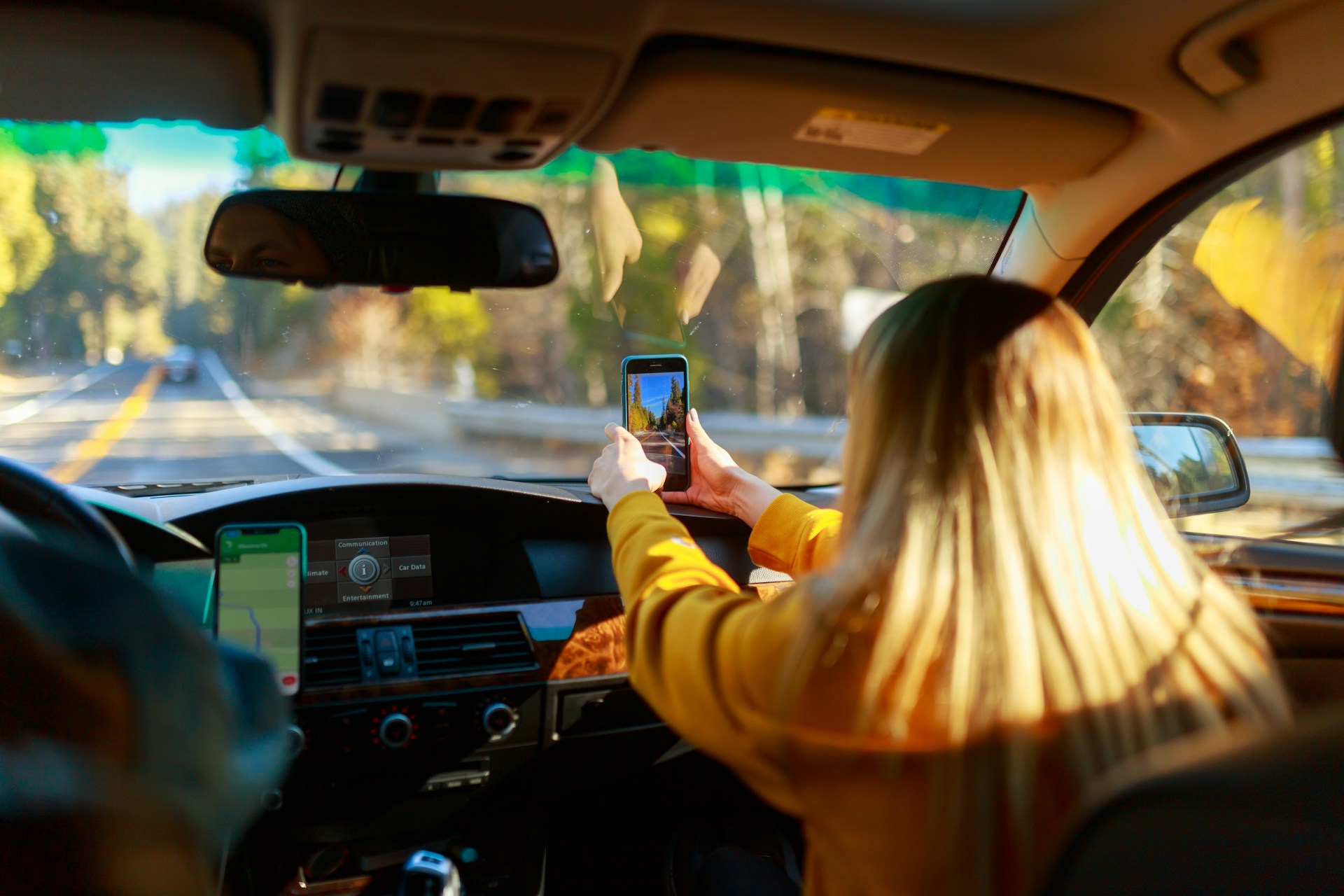
Despite all these changes, the core idea of the family road trip remains intact. It is still about spending time together, sharing experiences, and stepping away from daily routines.
The tools and habits have evolved, but the reason people take these trips has not changed. Families still look for connection, memories, and a break from the usual pace of life.
The modern road trip may be more organized and more connected, but it continues to offer something that has always mattered: time together on the open road.
