
Can You Work for a US Company From Another Country?
Can you work for a US company from another country? The short answer is yes.
But it’s not as simple as just hopping on a plane with your laptop. There are a few legal and logistical details to get straight first.
Let’s break down what you really need to know if you’re planning to live abroad while keeping your US-based job.
Note: I’m not a lawyer or tax advisor. This is not legal or tax advice but is based on personal experience and research. Please double-check everything with a professional before making big decisions.
Can You Work for a US Company While Living Abroad?
Yes, you can. But there are a few caveats.
It depends on your job, your company’s policies, where you’re living, and how long you plan to stay.
Some people travel full-time and work from different countries (like I do). Others relocate more permanently.
Either way, it helps to understand the key pieces: visas, taxes, and employer rules.
Note that this article is written with U.S. citizens in mind.

Understanding Visas and Residency
You can’t just show up in another country and start working, even if your job is fully remote and US-based.
Most countries require a specific visa or legal status that allows you to stay and, in some cases, work.
Tourist visas are easy to get in many countries, but they rarely come with the right to work, even remotely.
It’s a gray area, and enforcement varies, but working on a tourist visa can get you into trouble if you’re not careful.
Digital nomad visas are a growing trend. Countries like Spain, Portugal, Croatia, Mexico, and Costa Rica now offer visas for remote workers.
These usually come with income requirements and restrictions (like not working for local companies), but they’re a good option if you want to stay longer.
Temporary or permanent residency is another route. I know a lot of people with temporary residency in Mexico, which lasts up to four years. To qualify, you have to show proof of income and that your earnings came from a US source deposited into a US account. After four years, you’ll be eligible to apply for permanent residency.
Every country has its own rules. Some require a criminal background check, proof of health insurance, or a health screening. Start early. Visa processing times can stretch out for weeks or months.
iVisa is a great resource for obtaining visas. They help you understand the process and even handle the details for you. You can check out their services here.
Tax Rules for Americans Living Abroad
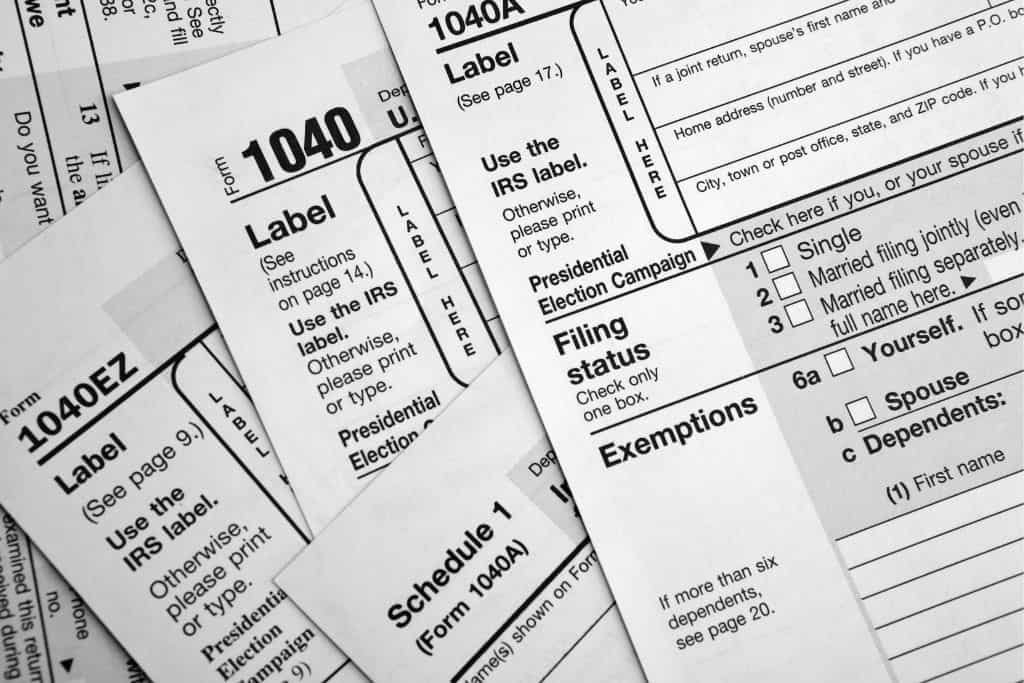
I’m not a tax professional, accountant, or attorney. I’m only passing along information I’ve gathered from credible sources like the IRS and foreign embassies. You must do your own homework and talk to a tax expert. I’m trying my best to be accurate, but laws change all the time.
This part can get confusing fast.
As a US citizen, you’re required to file a US tax return no matter where you live. That’s right, Uncle Sam wants his cut even if you’re living on a beach in Bali.
The good news is you may not have to pay taxes twice. The IRS offers:
- Foreign Earned Income Exclusion (FEIE), which lets you exclude up to $126,500 of foreign-earned income (as of 2025)
- Foreign housing exclusion or deduction
- Tax credits for income taxes paid to another country
To qualify, you have to either:
- Be a bona fide resident of another country for a full calendar year, or
- Spend at least 330 full days outside the US during a 12-month period
Check out the IRS Interactive Tax Assistant to see what you qualify for. And talk to a tax pro who understands expat taxes. It’s worth it.
Why US Employers Don’t Want Their Employees to be Overseas

Even though remote work is everywhere now, some US employers still won’t let their employees work from another country.
Why? A few reasons:
- They don’t want to deal with international tax or labor laws.
- They’re worried about triggering legal or tax obligations in the country you’re living in.
- Their lawyers told them not to.
It’s not always personal. Sometimes they just don’t understand how it works.
If your employer won’t budge, don’t panic. You’ve still got options.
Become an Independent Contractor

One workaround is to switch from employee to contractor.
If your company agrees, you can set up your own business (often as a sole proprietor or LLC), then invoice your company for your services.
That way, you’re not technically their employee, and they don’t have to worry about tax or labor laws where you’re living.
Just know that as a contractor, you’ll be responsible for your own taxes, both in the US and abroad. So plan ahead.
This route also gives you more freedom to take on other clients or build your own business over time.
If you’re not sure where to start, I created a beginner-friendly ebook that walks you through it.
Find a Fully Remote Job That Allows International Work

Some companies are totally fine with remote employees living overseas. If your current employer won’t let you work outside the United States, it might be time to look for something new.
The good news is, there are still plenty of companies that support remote employees living abroad. You just need to find them.
To make your search easier, I put together a guide with my top recommendations: Where to Find Remote Work: 10 Best Job Boards.
Not every listing that says “remote” means you can work from anywhere, so be sure to read the fine print.
Staying Connected Across Time Zones

One of the biggest challenges of working abroad is managing time zones, especially if your team is still in the U.S.
Before you move, think about your work hours. Are you OK with late-night meetings? Or starting your day super early?
I try to base myself in time zones that give me a few hours of overlap with my clients.
Once you’re settled, keep communication strong. Use video calls, async tools like Slack or Loom, and regular updates to stay in the loop and maintain a sense of teamwork.
Frequently Asked Questions: Working For a US Company While Living Abroad
Does my employer HAVE to know I’m living abroad?
Remaining undetected by your employer while working remotely abroad is possible, but challenges arise in emergencies, sickness, or social media exposure. Weighing the benefits and risks is a personal decision.
Can’t I just mask my location with a VPN?
Maybe. But many people are using their employer’s laptops, and they aren’t able to use a VPN. Also, VPNs aren’t foolproof. I use one in Mexico, and I still get a lot of content in Spanish. Someone somewhere knows I’m in Mexico even though my VPN says I’m in California.
Do I have to pay federal income taxes?
Yes! Unless you completely give up your U.S. citizenship, you’re going to have to pay U.S. taxes. But check with a tax professional on ways to reduce what you have to pay.
Do I have to pay state income taxes?
Yes, you still need to file taxes with your home state according to their laws.
What if I don’t have an address in the US?
You can get a digital mailbox, which comes with an actual street address. I use iPostal1 and it works great. They email me a scan of my mail. They also have check depositing services.
How do I get a foreign work permit?
Your foreign work permit is included when you obtain a work visa. Check into remote work visas for the country you want to live in.
How do I become a digital nomad?
Buy my book! It contains the blueprints to create your dream life as a digital nomad.
Am I too old to live the digital nomad lifestyle?
Probably not! I started at 53. For me, it was the best time. There are actually a lot of older people living the digital nomad life.

Wrap-Up: Working For a US Company While Living Abroad
Working for a US company while living abroad is absolutely possible. And for many people, it’s a dream come true.
The key is preparation. Understand the visa requirements in your host country. Know your tax obligations in both places. Make sure your employer is on board, or be ready to pivot to contracting or a different remote role.
With the right setup, you can build a life where you explore the world and keep earning from a US job. It’s not always simple, but the freedom is worth it.
Ladies, join my free, private Facebook group, Women Over 50 Digital Nomads. It’s a safe place to connect, learn, and thrive as a digital nomad. You don’t need to be over 50 but you do need to be a woman.
Related Posts
- Pros and Cons of Being a Digital Nomad
- Countries With Good and Affordable Healthcare
- The Best Cities for Digital Nomads
- Best Digital Nomad Books
- Older Digital Nomads
- Navigating the World of Digital Nomad Housing
- Digital Nomad Health Insurance – How to Find Affordable Insurance
- Amazing Digital Nomad Blogs You Must Read
- How to Find Remote Work
- How to Become a Digital Nomad
