Guide to Working Remotely in Mexico
Thinking about working remotely in Mexico? You’re not the only one. It’s one of the most popular choices for digital nomads, and I totally get why.
I lived in Mexico for over three years while working online. From beach towns to colonial cities, I worked from cafes, co-working spaces, and plenty of questionable Airbnbs.
If you’re thinking about making the move, here’s what you should know, based on real experience.
Benefits of Working Remotely in Mexico

1. Low Cost of Living
Let’s start here because, honestly, it’s one of the main reasons I moved. Compared to most of the United States and Europe, Mexico is a steal.
I lived pretty comfortably on under $2,000 a month. That covered rent, groceries, eating out, healthcare, and the occasional weekend trip.
I didn’t live like a backpacker, but I also wasn’t blowing money on luxury stuff.
Prices vary by location, so if you want hard numbers, check out Nomads.com to compare cities.
Just remember, your lifestyle plays a huge role in what you actually spend.
2. It’s Close to the United States
I liked knowing I could be back in California in a few hours if I needed to. Flights are short and affordable, which makes visiting friends and family a lot easier.
Time zones also line up pretty well, which helped when I was working with U.S.-based clients.
Keep in mind that most of Mexico doesn’t do Daylight Saving Time anymore, so the time difference shifts depending on the time of year.
Honestly, I preferred it. In Cozumel, the sun sets at a more reasonable hour in winter instead of being dark by 5 p.m.
3. Weather
Mexico has all kinds of weather, depending on where you go.
If you prefer warm and tropical weather, head to popular coastal destinations like Cozumel or Puerto Vallarta.
If you like a milder climate, cities like Mexico City or Guadalajara offer pleasant temperatures year-round, with mild winters and warm summers.
You can even find a few places in Mexico with snow in the winter!
4. Internet & Infrastructure
Mexico’s infrastructure varies between larger cities and small towns.
In major cities like Mexico City, Guadalajara, and Monterrey, you will find well-developed infrastructure with modern amenities.
These cities have extensive transportation networks, including efficient metro systems, buses, and ride-sharing services, making it easy to navigate and explore.
Major cities and tourist hotspots offer reliable and fast internet connections.
In smaller towns and rural areas, the infrastructure may be more basic but still functional.
While the transportation options may be more limited compared to major cities, there are still usually local buses and taxis available to get around.
Internet connectivity may be slightly slower and less consistent in rural areas, although it has been improving in recent years.
I travel with a backup internet system. I use GlocalMe, which is a pay-as-you-go personal wifi device. I haven’t had to use it often, but it’s good to have.
5. Medical Care
Mexico has both public and private healthcare. If you’re on a residency visa, you can enroll in the public system (IMSS), but many expats and remote workers choose private care.
Private clinics are clean, modern, and usually have English-speaking staff. Prices are also much lower than in the U.S. I paid out of pocket for a couple of visits, and it was much cheaper than my co-pay back home.
It’s still a good idea to have comprehensive health insurance.
Safety Wing is a great choice. They include several options for health insurance as well as travel insurance.
Also, compare prices and policies on Visitors Coverage. I’ve been able to find good rates for insurance there also.
Can You Work Remotely in Mexico Legally?

Short answer: Yes, if you’re working for a company outside of Mexico or running your own business. Just be smart about visas.
Important note: I’m not an attorney, tax expert, or immigration expert. The following is based on my research. Be sure to verify the information for your situation and follow all tax, labor, and immigration laws.
Tourist Visa
Citizens of many countries, including the United States, Canada, and the European Union, can enter Mexico as tourists without a visa.
As a tourist, you are generally not allowed to work for Mexican employers or earn income within Mexico. However, working remotely for a foreign employer while on a tourist visa is generally accepted.
Visitors are allowed up to 180 days on a tourist visa. But be warned that you are not guaranteed to be granted the full 180 days. This is especially true if it’s obvious you’re making “border runs” every six months to reset your time.
If you plan to stay in Mexico long term, opt for temporary residency to ensure you don’t have to leave earlier than you want.
Work Permits

If you plan to work for a Mexican employer or establish your own business in Mexico, you will need a work permit.
Work permits are typically arranged by the employer or obtained through the Mexican embassy or consulate in your home country.
The employer must demonstrate that there are no local candidates available to fill the position.
Temporary Residency
Mexico offers a temporary resident visa, which allows you to live in the country for an extended period (usually up to four years). Temporary residency can be obtained for various reasons, including work.
To qualify for a work-related temporary residency, you need to secure a job offer from a Mexican employer and meet specific criteria set by the Mexican immigration authorities.
It is important to note that as a temporary resident, you are generally not allowed to work in Mexico legally. You must have a work permit.
If you apply for temporary residency without a Mexican employer, you’ll have to prove economic solvency. I see different dollar amounts depending on where I look.
According to the Mexican Consulate’s website, you’ll need to show a monthly income of approximately $2,700 USD after taxes for the past six months.
Alternatively, you can qualify with investments or a bank balance of around $55,000 USD for the past 12 months.
Again, double-check these amounts. They can vary depending on the exchange rate. I’m also told that different consulate offices require different amounts.
Permanent Residency
After holding a temporary resident visa for a certain period (usually four years), you may be eligible to apply for permanent residency.
Permanent residency may allow you to work in Mexico without any restrictions. You’ll also have access to additional benefits such as healthcare.
You can apply for permanent residency without going through temporary residency first. However, the financial solvency thresholds are quite a bit higher.
It is crucial to consult with an immigration attorney familiar with working with the Mexican Government.
Or contact the Mexican embassy or consulate in your home country to obtain the most accurate and up-to-date information regarding work permits, visas, and residency options.
Immigration laws and requirements can vary. It is essential to comply with Mexican immigration regulations to ensure you’re legally authorized to work while living in Mexico as a digital nomad.
Working for a US Company While Living in Mexico

It’s becoming more difficult to work for a US company while living outside the country even if you are a US citizen.
However, it isn’t impossible to find a remote job. There are still businesses that will hire fully remote employees.
There are many remote job opportunities in Mexico listed on sites like Jooble and other job boards.
It may be easier, however, to work as an independent contractor. US employers often find this more favorable because then the tax burden is on you instead of the company.
Or you can become a freelancer. That’s what I’m doing. I’m a freelance copywriter with my own business. I find it gives me all the freedom. Of course, it does carry more risk, so you’ll need to find the perfect remote work situation for you.
Tax Implications of Working Remotely in Mexico
Taxes get complicated when you’re working remotely in another country. Your tax obligations will depend on how long you stay, what type of income you have, and where your clients or employer are located.
Generally, as long as you’re a U.S. citizen, you’re going to need to file a tax return.
I’m not giving tax advice, and you shouldn’t rely on a blog post for that either. Find an accountant who understands the digital nomad lifestyle. They’re out there, and it’s worth the investment.
Best Places to Live While Working Remotely in Mexico
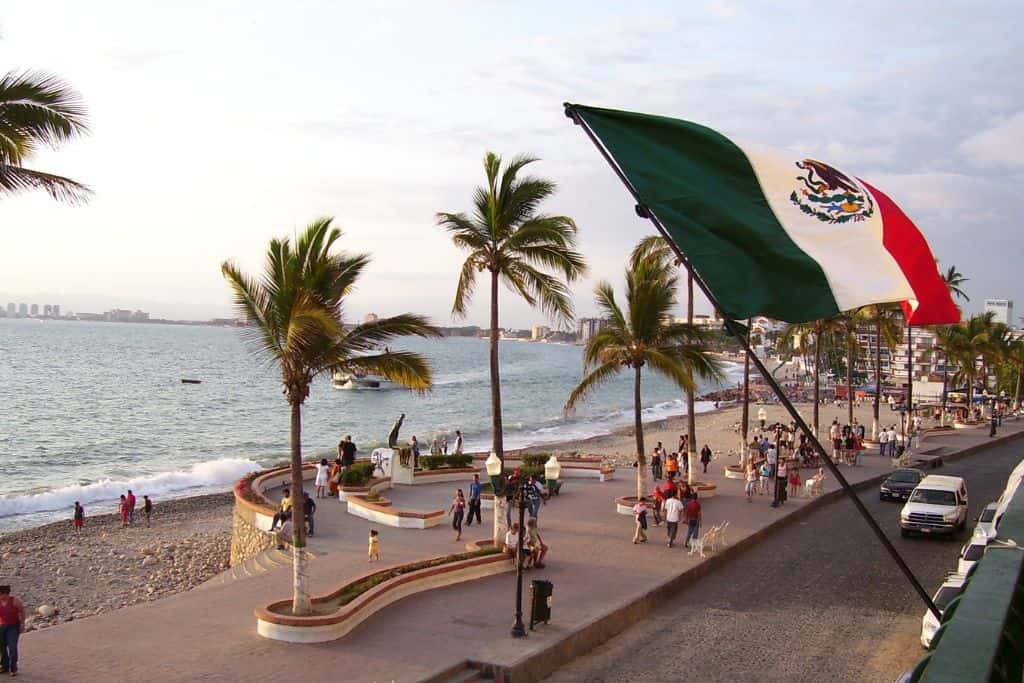
Whether you want a big city with lots to do, a sleepy beach town, or something in between, you’ll find it in Mexico.
Here are some popular places to live while working remotely in Mexico.
- Cozumel – My favorite place, hands down. Safe, laid-back, great snorkeling, and small enough to feel like home. I lived in Cozumel for nearly two years and can’t wait to go back.
- Campeche – A colorful colonial city on the Gulf Coast. Super safe, not touristy, and surprisingly affordable. I lived there for two months and loved how much there is to do.
- Cancun – I started my digital nomad journey here, and I loved living in Cancun. There’s more to it than the hotel zone. Downtown Cancun is a fun city with real neighborhoods and great food.
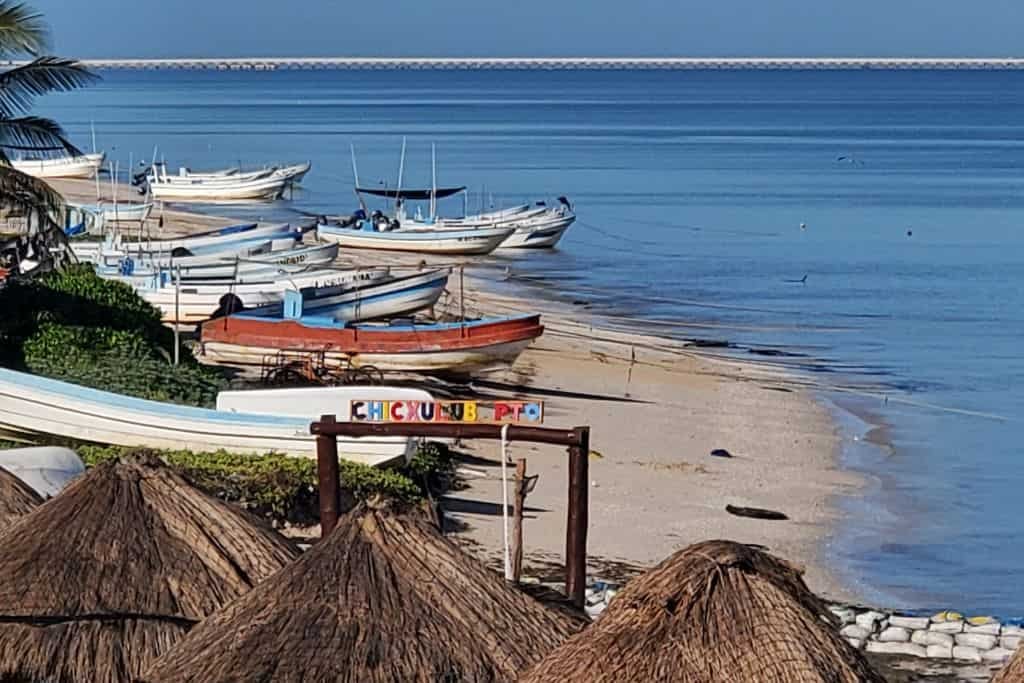
- Merida – One of the safest cities in Mexico. Lots of culture and history. I stayed nearby in Chicxulub Puerto and loved how easy it was to explore the whole region.
- Mexico City – A massive, exciting city with coworking spaces, strong infrastructure, and amazing food.
- Playa del Carmen – Popular for a reason. There’s a big digital nomad scene, and it’s easy to meet people. Beaches, cafes, coworking, and nightlife all in one place.
- Puerto Vallarta – Gorgeous sunsets, friendly expat community, and walkable neighborhoods.
- Sayulita – Artsy and chill. If you’re into surfing, yoga, and farmers markets, you’ll probably love it.
- San Miguel de Allende – Feels more like a European village than a Mexican town. Not cheap, but full of charm and culture.
- Puerto Escondido – Known for its world-class surfing waves, Puerto Escondido is a laid-back coastal town in Oaxaca. It offers natural beauty, affordable living, and a growing digital nomad scene.
- Guadalajara – Known as Mexico’s cultural capital. It blends colonial charm with a growing tech and startup community. Good food, decent prices, and a comfortable climate make it a solid choice.
- Monterrey – Big city energy with a strong business and tech scene. It’s industrial but also has beautiful mountain views and is one of the safer large cities in Mexico.
Frequently Asked Questions: Working Remotely in Mexico
Do I need a visa to work remotely in Mexico?
If you are working remotely for a company outside of Mexico, you typically do not need a work visa. However, it’s important to check the specific visa requirements and consult with the Mexican embassy or consulate in your home country for accurate information about Mexican labor laws.
Is Mexico a safe country for digital nomads?
It depends on the area. The places I listed above felt very safe. Always do your research and trust your gut.
How is the internet connectivity in Mexico for remote work?
Internet connectivity in major cities and popular digital nomad destinations in Mexico is generally reliable. You can find coworking spaces, cafes, and accommodations with high-speed internet access. However, in more remote or rural areas, internet speeds may be slower or less consistent.
Can I open a bank account in Mexico as a digital nomad?
Yes, but you’ll need temporary or permanent residency to do it.
What is the healthcare system like for digital nomads in Mexico?
Mexico has a mix of public and private healthcare systems. Private healthcare is generally preferred by expats and digital nomads due to its higher quality and shorter waiting times. It’s advisable to have health insurance that covers medical expenses while living and working in Mexico.
Are there coworking spaces available for digital nomads in Mexico?
Yes, Mexico has a growing number of coworking spaces, particularly in popular digital nomad destinations and major cities.
How easy is it to find short-term rentals in Mexico?
Short-term rentals, such as furnished apartments or vacation rentals, are widely available in Mexico. Platforms like Airbnb, VRBO, local real estate agencies, and online expat communities can help you find suitable accommodations for your stay as a digital nomad.
Is it necessary to speak Spanish to live and work as a digital nomad in Mexico?
While knowing Spanish can be helpful for everyday interactions, many digital nomad communities and popular tourist destinations in Mexico have English-speaking locals, making it possible to get by without fluency in Spanish. However, learning some basic Spanish phrases can enhance your experience and is basic courtesy.
Can I apply for a digital nomad visa in Mexico?
Mexico does not currently have a specific digital nomad visa. However, it’s important to stay updated on immigration policies and consult with the Mexican embassy or consulate in your home country for the most accurate and current information regarding visas and permits.
Can I bring my pet with me as a digital nomad in Mexico?
Yes, it is possible to bring your pet to Mexico as a digital nomad. I brought my dog with me. Check out my article all about traveling with a dog in Mexico.
Wrap-Up: Working Remotely in Mexico
If you’re dreaming about working remotely in Mexico, I say go for it. It’s not always easy, but it can be incredibly rewarding. You’ll learn a lot about yourself, discover new places, and probably end up wondering why you didn’t do it sooner.
Do your homework, figure out your visa, and line up a solid Wi-Fi plan. The rest you can figure out as you go.
Ladies, join my free, private Facebook group, Women Over 50 Digital Nomads. It’s a safe place to connect, learn, and thrive as a digital nomad. You don’t need to be over 50 but you do need to be a woman.
Related Posts
- Best Laptops for Digital Nomads and Remote Workers
- Living in Cancun: Ultimate Guide for Digital Nomads
- Living in Cozumel, Mexico: Ultimate Digital Nomad Guide
- Things to Do in Campeche, Mexico
- Pros and Cons of Being a Digital Nomad
- Countries With Good and Affordable Healthcare
- The Best Cities for Digital Nomads
- Older Digital Nomads
- Working for a US Company While Living Abroad
- Navigating the World of Digital Nomad Housing
- Digital Nomad Health Insurance – How to Find Affordable Insurance
Pro Tips for Your Mexico Trips
Do I need travel insurance?
YES. No matter when you visit Mexico, don’t forget to buy travel insurance. It’s a small price to pay for peace of mind. If you need it once it will pay for itself many times over. I highly recommend Safety Wing. They have a proven track record for customer satisfaction and a variety of coverage levels.
Is it safe to rent a car in Mexico?
YES. Renting a car in Mexico is not only safe, but it’s a great way to explore. Discover Cars is hands down the best rental car company. They check international and local companies to get you the best rates.
Will my phone work in Mexico?
Maybe — It depends on your company, so check with your provider. If you don’t have free service in Mexico, the least expensive option is to buy a Telcel SIM card. As Mexico’s largest carrier, Telcel has the best coverage of any Mexico SIM Cards. I have one and it’s been a lifesaver.
You can also get an eSIM. Airalo has coverage in over 200 countries/regions, including Mexico.
What’s the best way to book my Mexico accommodations?
For Mexico hotels, Booking.com is the best site, but for hostels, check out Hostel World. If you’re considering a Mexico Airbnb, don’t forget to check VRBO, which is often cheaper with more options.
What do I pack for Mexico?
My Mexico packing list has all the info you need on packing for your trip to Mexico.
What’s the best site for great deals on flights to Mexico?
For finding cheap Mexico flights, I recommend using Skyscanner.
Do I need a visa for Mexico?
Probably Not. U.S., Canadian, and most European passport holders don’t need a visa for Mexico. To verify if you’ll need a Mexico travel visa check the Mexican Consulate’s website.
For assistance with all your worldwide visa questions, check out iVisa.
